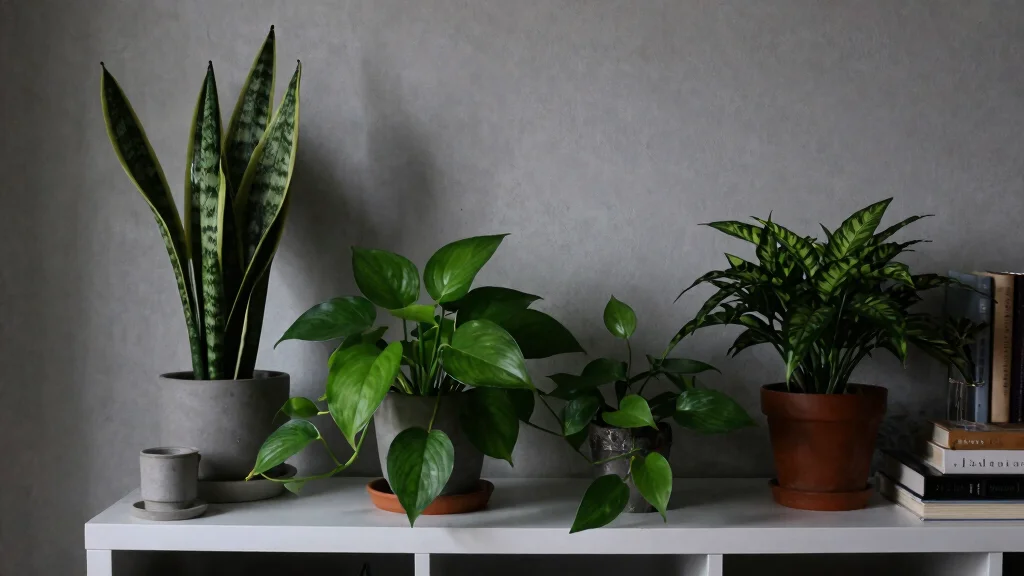
If you’re looking to green up your indoor space but feel limited by low light, you’re not alone. Many of us crave the fresh energy that plants bring, yet struggle with dark corners or rooms that hardly see the sun. That’s why I created this guide on plants that can survive in almost no natural light indoors. Whether you’re a seasoned gardener or just starting out, you can enjoy the benefits of greenery without the pressure of bright sunlight.
This post is for anyone who loves indoor plants but feels daunted by the lack of light in their home. If you’ve ever asked yourself how to add some life to a dark room or which low light indoor plants thrive with minimal care, you’re in the right spot. You’ll discover eight incredible plants that not only tolerate low light but also require little maintenance, making them perfect for busy lifestyles or less-than-ideal conditions.
By the end of this article, you’ll be equipped with knowledge about shade tolerant houseplants that can brighten your space—even in corners where sunlight rarely reaches. You’ll also find tips on how to care for these greens, ensuring they thrive in your home. Let’s dive in and explore how to bring some indoor life into your dimmest rooms!
Key Takeaways
– Learn about eight hardy plants that can survive in low light, including the Snake Plant and the ZZ Plant, both favorites for their resilience and beauty.
– Understand the unique care requirements for each plant, such as watering frequency and ideal temperature ranges.
– Discover the best locations in your home for these plants for dark rooms to ensure they flourish despite the limited light.
– Get tips on maintaining low maintenance indoor greenery that can thrive even when you forget to check on them.
– Find out how these plants not only enhance your living space but also improve air quality and overall well-being.
Recommended Products

HARDY INDOOR PLANT: Sansevieria Laurentii is a drought tolerant, durable, and adaptable houseplant for beginners
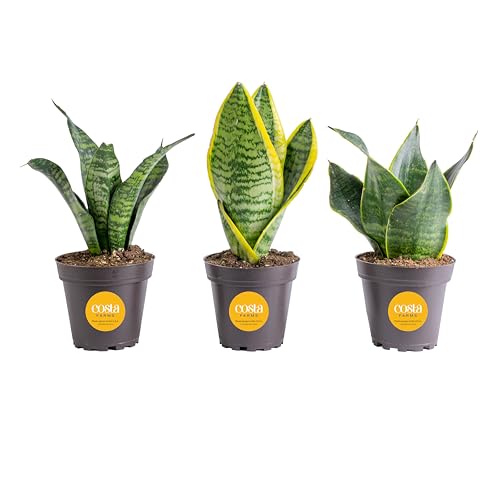
INSTANT HOME STYLING TRIO: Multi pack of three live snake plants takes the guesswork out of interior design by creating an effortless cohesive look across your living room shelves, bedroom nightstands, or home office desks

Adjustable Width Plant Stand: This Indoor Plant Stand adjustable from 8 to 12 inches in width, which allowing you to place plant pots of different sizes; The adjustable plant stand has 2 height displays, you can switch heights by flipping the stand over
1. Snake Plant (Sansevieria)
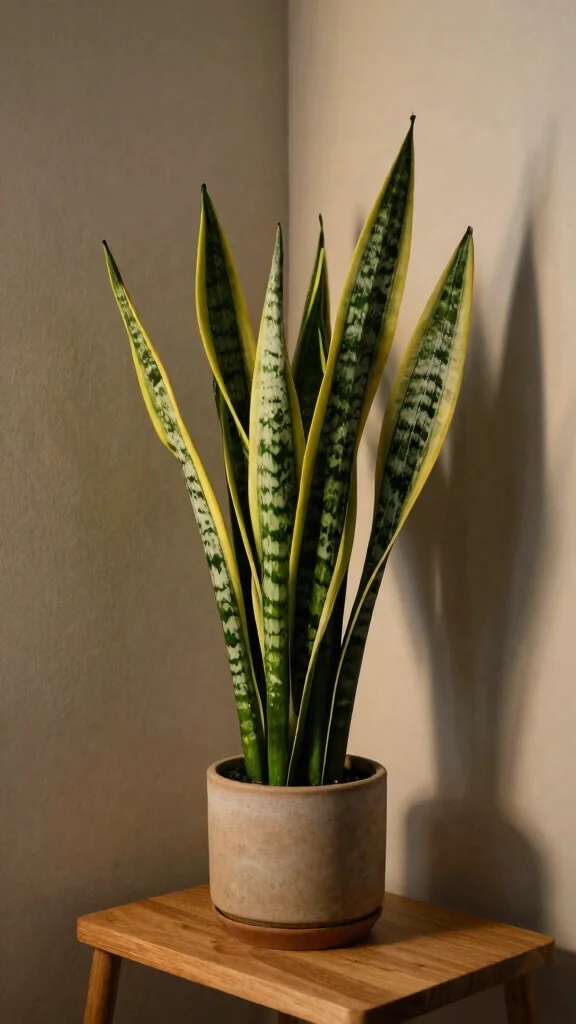
If you’re looking for a plant that thrives on neglect, the Snake Plant is your go-to choice. Known for its striking, upright leaves with beautiful green and yellow stripes, this plant adds a modern touch to any space. It flourishes in low light, making it perfect for those darker corners of your home or office, and requires minimal watering. You’ll appreciate how easy it is to care for, especially if you’re new to gardening.
To keep your Snake Plant happy, focus on watering it only when the top inch of soil is dry. It prefers indirect light but can also adapt to complete shade without any issues. A little fertilizer during the growing season can help it thrive even more.
Getting started with a Snake Plant is simple:
– Water sparingly to avoid overwatering.
– Place it in a well-draining pot for best results.
– Enjoy its air-purifying qualities for a healthier home.
With its eye-catching appearance and low-maintenance nature, the Snake Plant is a stunning addition that enhances both your decor and air quality.
Fun fact: Snake Plants can go 2-3 weeks without water, especially in low light. No light plants like these thrive on neglect, adding resilient greenery to dark corners while keeping care simple and stress-free.
Recommended Products

Zamioculcas is genus of flowering plants in the family Araceae, containing the single species Zamioculcas zamiifolia.

Zamioculcas zamiifolia

Effortless Indoor Greenery: ZZ Plant thrives with minimal care; perfect for beginners or busy households; grows well in low to bright, indirect light with little maintenance required year-round
📹 Related Video: Ultimate SNAKE PLANT CARE Guide — Ep 202
Snake Plant (Sansevieria)
Editor’s Choice

Costa Farms Live Indoor House Plants (3-Pack), Hand Selected Easy to Mai…


Utopia Home Plant Pots Indoor with Drainage Holes – Set of 5 White Pla…

Kynup Garden Tools, Gardening Tools Set with Garden Hand Shovel, Garden …
2. ZZ Plant (Zamioculcas zamiifolia)

The ZZ Plant is a fantastic choice for anyone seeking a truly low-maintenance indoor plant. With its glossy, thick leaves, this resilient plant can thrive in almost complete darkness, making it ideal for offices or any dimly lit area. Its dark green foliage not only looks beautiful but also creates a rich contrast against lighter backgrounds, adding depth to your space.
To keep your ZZ Plant healthy, allow the soil to dry out completely between waterings. It enjoys indirect sunlight but can easily survive in low-light conditions. A quick wipe of its leaves now and then will help maintain its shine.
Here are some care tips to help you:
– Water only when necessary, usually every couple of weeks.
– Position it in a spot with indirect light for best growth.
– Enjoy its pest-resistant nature for minimal hassle.
With its striking look and minimal upkeep, the ZZ Plant makes adding greenery to your home easy and enjoyable.
Recommended Products

About the Plant: Peace Lily, scientific name: Spathiphyllum, is a low-maintenance and popular houseplant. It displays vibrant green leaves and bright white blooms that give off a sweet scent. Peace Lilies make perfect home decor and look beautiful sitting on a windowsill, end table, or bookshelf.

LIVE INDOOR PLANT -Bring home the stunning Lemon Lime Maranta Prayer Plant and enjoy a touch of tropical calm. With its vivid green leaves brushed with yellow and dark-green veins, this houseplant brings instant warmth and charm to any room. Watch as its leaves fold upward at night like praying hands — a living rhythm of peace and nature.

ZZ Plant (Zamioculcas zamiifolia)
Editor’s Choice

Costa Farms ZZ Live Plant in Plastic Pot, Easy to Maintain, Air Purifyin…

CARPATHEN Drip Irrigation System Kit – Complete Premium Garden Watering …
3. Pothos (Epipremnum aureum)
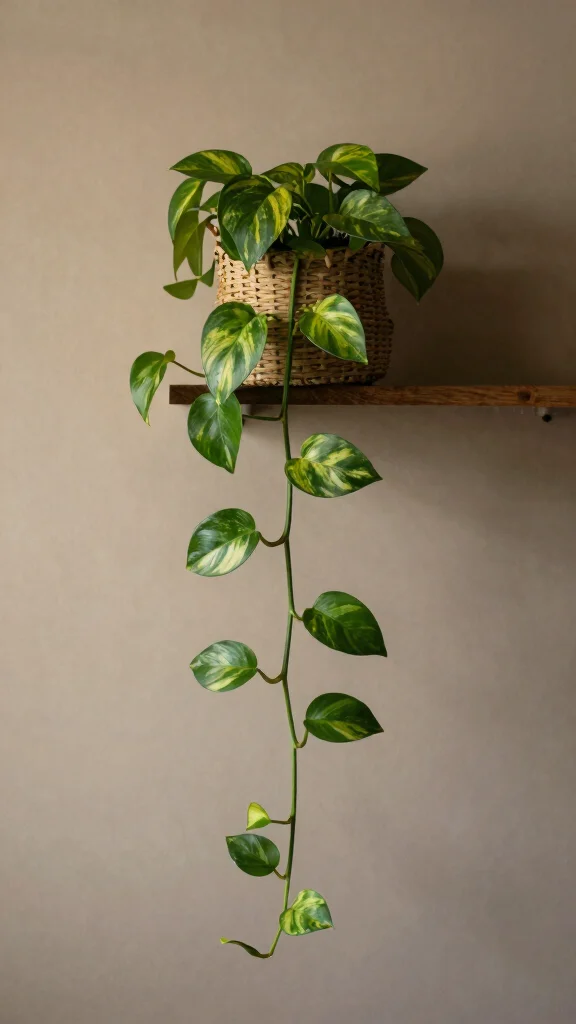
Pothos, often referred to as ‘devil’s ivy’, is one of the easiest and most versatile houseplants around. Its heart-shaped leaves and trailing vines can instantly liven up any dark space, making it a popular choice for homes and offices alike. This forgiving plant thrives in low light, and if you happen to forget to water it, it will bounce back without a fuss.
To care for your Pothos, water it when the soil feels dry to the touch. While it prefers indirect light, it can easily adapt to low-light conditions. Trimming back the vines encourages bushier growth, adding even more lushness to your decor.
Start enhancing your space with Pothos by:
– Hanging it in a basket for a beautiful cascading effect.
– Choosing from various types like Golden Pothos for added variety.
– Utilizing its air-purifying properties for a healthier environment.
With its vibrant presence and easy care, Pothos is a wonderful way to breathe life into any corner of your home.
Recommended Products

MATERIAL: Made of sturdy cast iron, 3 supporting points make stable plant stand. Comes with 6 metal screws and an instruction for easy assembly

Hardy Large Evergreen Plant – A low-maintenance, shade-loving houseplant that thrives in low light and indirect sun, making it ideal for homes, offices, and shaded gardens

Overall Dimension (Total Height x Top Diameter x Base Diameter) is 60cm x 29cm x 22cm / 23.6" x 11.4" x 8.6", heavy duty and strong enough to hold your large & heavy plants or pots, meeting different placing requirements.
Pothos (Epipremnum aureum)
Editor’s Choice

Costa Farms Pothos Live Plants, Devil’s Ivy in Plastic Pots, Easy to Mai…

5Pcs Succulent Tools,Mini Garden Tools,Pruning Scissors as Plant Accesso…
4. Peace Lily (Spathiphyllum)

Peace Lilies are cherished for their stunning white blooms and lush green leaves, making them a favorite among indoor plant lovers. They thrive in low-light conditions, adapting beautifully to different environments, whether it’s a cozy home corner or an office desk. Not only do they add a touch of elegance, but they also help purify the air by filtering out harmful toxins.
For optimal care, water your Peace Lily when its leaves start to droop, ensuring it remains healthy without overwatering. While it enjoys indirect light, it can still bloom in lower light settings, bringing a delightful surprise to your indoor space.
Here are some tips for caring for your Peace Lily:
– Keep the soil moist but not soggy for healthy growth.
– Clean the leaves regularly to enhance their shine.
– Enjoy its air-purifying benefits for a healthier atmosphere.
The Peace Lily not only beautifies your home but also contributes to a serene and fresh indoor environment.
Recommended Products

Prefers bright, indirect light but tolerates medium-light indoor environments

LUSH TROPICAL ROOM DÉCOR: The full, vibrant fronds of this live indoor Parlor Palm bring a dense, tropical feel indoors. An eye-catching real plant and easy to maintain decorative accent for a home tabletop, living room, or office desk
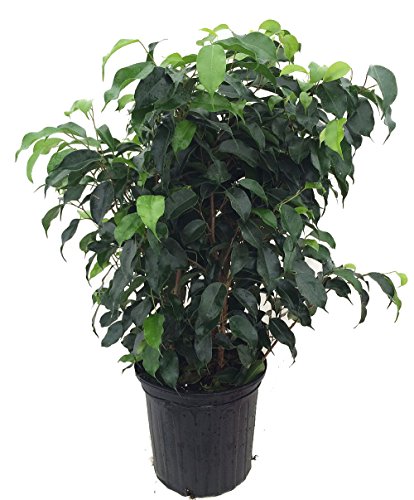
Peace Lily (Spathiphyllum)
Editor’s Choice

8/10/12 Inch Self Watering Pots for Indoor/Outdoor Plants – Large Plasti…

GooingTop LED Grow Light,6000K Full Spectrum Clip Plant Growing Lamp wit…
5. Spider Plant (Chlorophytum comosum)
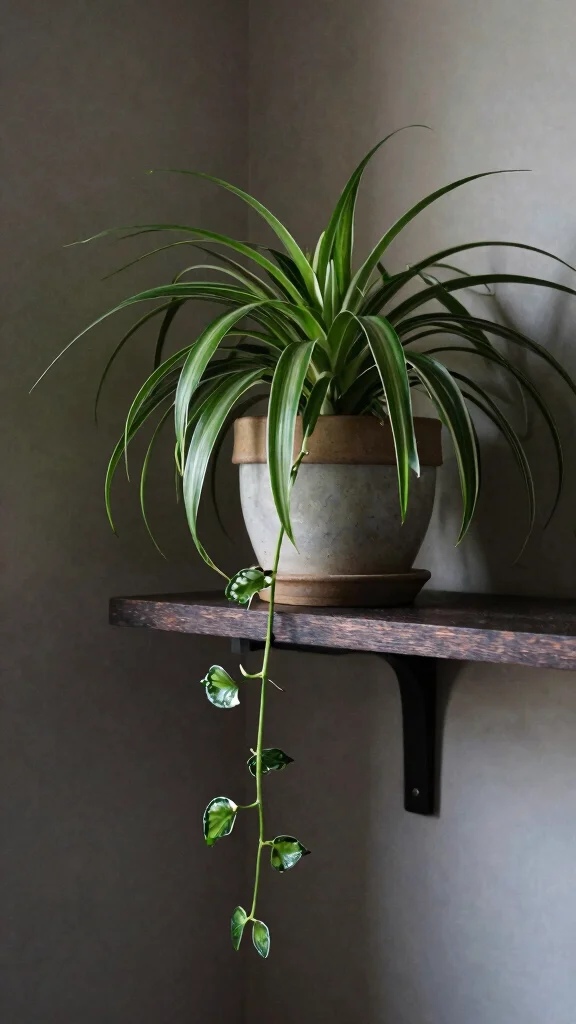
The Spider Plant is a charming and resilient addition to any indoor garden. With its arching green-and-white striped leaves, it adds a playful vibe to your space. This plant is perfect for beginners due to its forgiving nature, thriving even when neglected. Plus, it produces ‘pups’, or baby plants, that you can propagate and share with friends.
To keep your Spider Plant happy, water it when the top inch of the soil dries out. It thrives best in indirect sunlight but can adapt to low-light areas effortlessly. Regularly checking for pests will help maintain its health.
Here’s how to get started:
– Place it in a high location for cascading growth.
– Enjoy its air-purifying qualities for a fresher home.
– Share the ‘pups’ with friends for a fun plant swap.
The Spider Plant adds a lively touch to your indoor space while being easy to care for, making it a delightful choice for any plant lover.
Recommended Products

SANSEVIERIA ZEYLANICA: Mother in Laws Tongue House Plant is a stemless evergreen that grows elongated, sword-shaped leaves from its underground rootstock. The Snake Plant is an upright species with firm structure and hardiness characteristics. Being that it is a perennial, the Sansevieria will live for years when properly cared for.
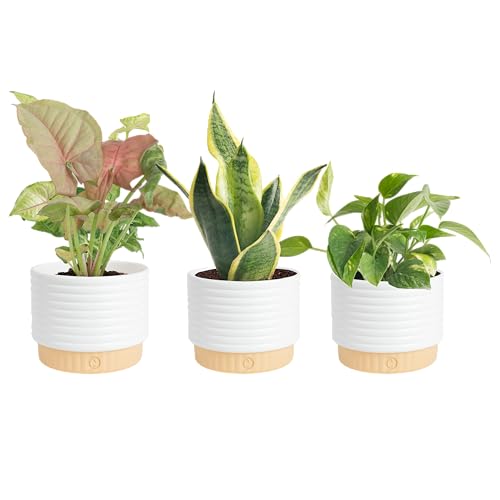
DECOR-READY LIVE INDOOR PLANTS: This 3-pack of houseplants offers incredible value to gift or instantly upgrade any space. Perfect for shelf, tabletop, or office desk. Varieties will vary — examples include Peace Lily, Snake Plant, Fern, and Pothos

Spider Plant (Chlorophytum comosum)
Editor’s Choice

XLUX Soil Moisture Meter (Since 2015) – Durable 304 Stainless Steel Prob…

Miracle-Gro Indoor Plant Food for All Plants, Liquid Plant Food for Hous…

Gepege 6 Inch Beaded Ceramic Planter Set of 2 with Drainage Hole and Sau…
6. Cast Iron Plant (Aspidistra elatior)
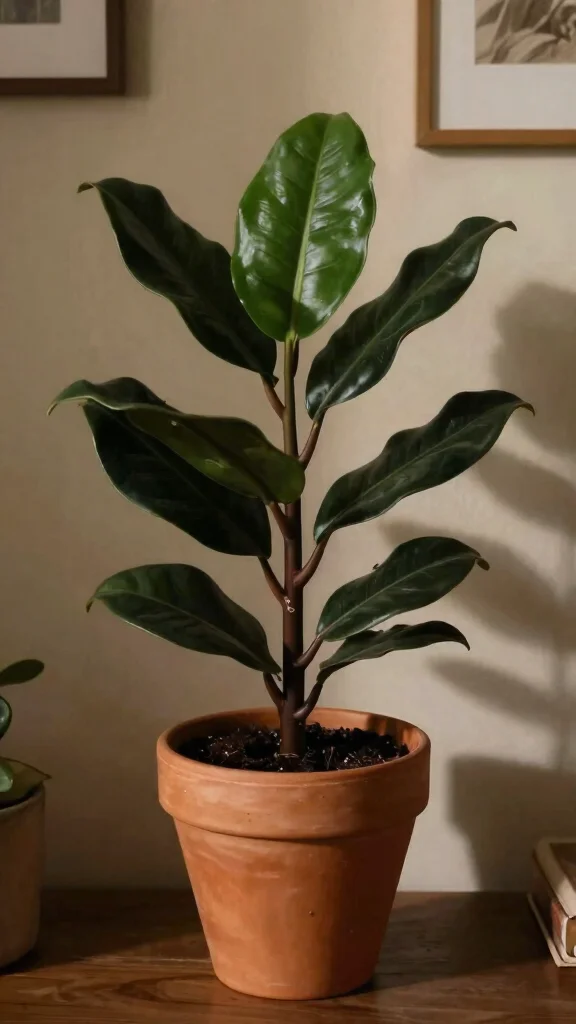
As its name suggests, the Cast Iron Plant is nearly indestructible, making it perfect for low-light indoor gardening. This hardy plant thrives on neglect, making it ideal for busy individuals or those new to plant care. Its broad, dark green leaves can survive in the shadiest corners, bringing a touch of nature to even the dimmest spaces.
To care for your Cast Iron Plant, allow the soil to dry completely between waterings for best results. It flourishes in low light, making it suitable for areas that don’t receive much sunlight. A quick wipe of the leaves will help keep them dust-free.
To start with a Cast Iron Plant:
– Position it in a shaded area without worrying about light.
– Enjoy its resilience; it can thrive with minimal attention.
– Use it to enhance low-light areas effortlessly.
The Cast Iron Plant is a fantastic option for anyone wanting a low-maintenance houseplant that adds a touch of greenery without demanding too much care.
“Struggling with indoors plant care? Cast Iron Plant proves you don’t need a green thumb. No light plants like Aspidistra elatior thrive on neglect—water only after the soil dries, and your shady corners will finally look alive.”
Recommended Products

SLEEK, STYLISH ROOM DÉCOR: The architectural upright leaves of a real ZZ Plant provide a modern, sleek look that defines minimalist home decor. An excellent, stylish live plant choice for an office desk, plant shelf, or tabletop

LOW LIGHT TOLERANT: Thrives in partial shade and adapts well to low-light conditions, making it perfect for darker corners of your home or office

All of our listings have very representative pictures of what you would receive.
Cast Iron Plant (Aspidistra elatior)
Editor’s Choice

Osmocote Smart-Release Plant Food Plus Outdoor & Indoor1 – Granular, Con…

Watering Can for Indoor and Outdoor Plants – Long Spout Water Can for Ga…
7. Chinese Evergreen (Aglaonema)
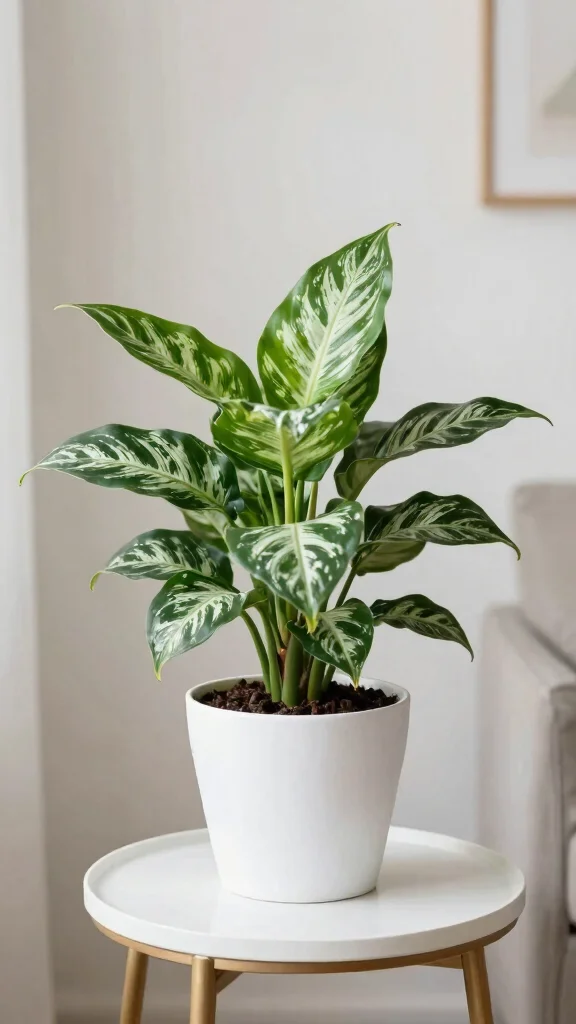
Chinese Evergreen plants are a wonderful way to bring warmth and color to low-light spaces. With a variety of colors and patterns available, from deep greens to silvery variegated leaves, they create an eye-catching display even in dim environments. These adaptable plants thrive in various indoor conditions, making them a popular choice for both homes and offices.
To keep your Chinese Evergreen healthy, water it when the top inch of the soil is dry. It prefers indirect light but can survive in low light, making it perfect for those who may not have a green thumb. With their unique appearance, they can easily become the centerpiece of any room.
Here’s how to care for your Chinese Evergreen:
– Provide indirect light for optimal growth.
– Regularly check for pests and treat if necessary.
– Use it to brighten up corners where other plants might struggle.
Chinese Evergreens add a lively touch to your home while being easy to care for, making them an excellent choice for indoor gardening.
Feeling like your space has no light? Chinese Evergreen proves you can color a dim corner with ease. Water when the top inch dries, and watch these no light plants shine even in indirect sun.
Recommended Products
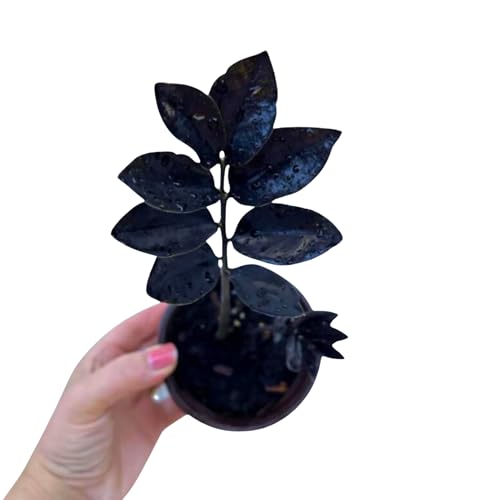
Eye-Catching Black Leaves – Glossy dark foliage brings modern flair to any room. Comes in Nursery Pot – Arrives ready to display with minimal setup required. Low Maintenance Beauty – Thrives in low light and dry conditions, great for busy lifestyles. Natural Air Purifier – Helps improve indoor air quality while looking stylish. Ideal for Contemporary Decor – Makes a bold, sculptural statement in homes and offices.

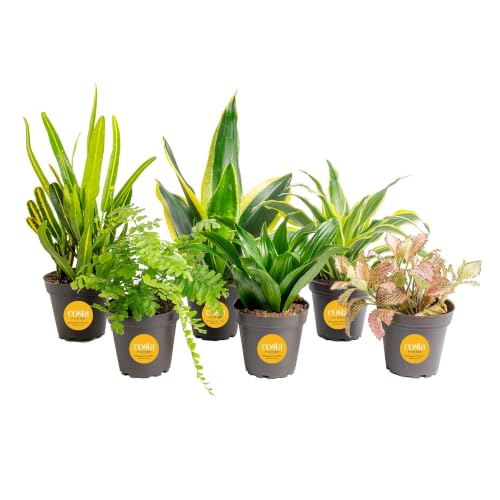
LIVE INDOOR HOUSEPLANTS: Includes a rotating assortment of 6 popular indoor plants in 2 in. grower pots, ranging in height by variety - approximately 4 - 6 in. tall

UNIQUE CHINESE EVERGREEN: 'Beauty' is a colorful tropical plant you'll love growing
Chinese Evergreen (Aglaonema)
Editor’s Choice
Gepege 6 Inch Beaded Ceramic Planter Set of 2 with Drainage Hole and Sau…
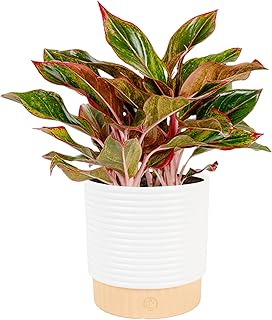
Costa Farms Chinese Evergreen Live Plant in Decorative Pot, Easy to Main…
17-Piece Succulent Plant Care Tool Set, 26″ and 39.4″ Plant Transplantin…
8. Rubber Plant (Ficus elastica)

Rubber Plants are both beautiful and incredibly adaptable, making them a favorite among indoor gardeners. With their large, glossy leaves, they can thrive in lower light levels while still enjoying some indirect sunlight. This plant can grow quite tall, becoming a stunning focal point in any room while adding elegance to your decor.
To care for your Rubber Plant, water it when the top several inches of soil dry out. It prefers indirect light but can tolerate lower light conditions as well. Regularly dusting the leaves will keep them shiny and healthy.
Getting started with a Rubber Plant is easy:
– Position it where it can reach indirect light for optimal growth.
– Enjoy its air-purifying abilities to enhance your indoor air quality.
– Allow it to grow tall for a dramatic effect in your space.
The Rubber Plant is a versatile, low-maintenance option that effortlessly enhances your indoor greenery while improving your living environment.
Recommended Products
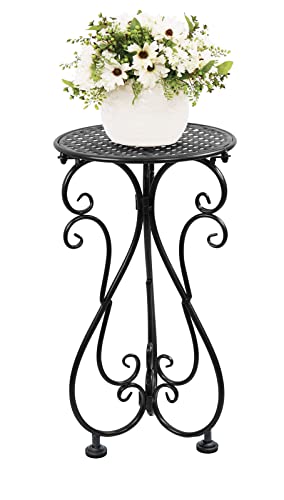
【Metal Material】This small plant stand made of cast iron, with a smooth matte finish, waterproof and rustproof. The round grid tabletop can make the potted more absorb sunlight, and the heavy duty flower stands is suitable for 1in-11in medium flowerpot.
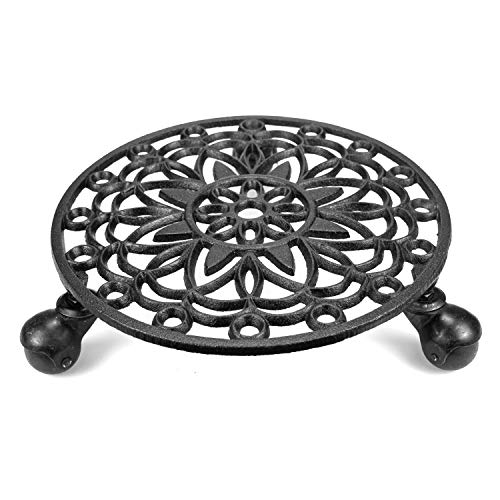
Measuring 11 inches in diameter by 3 inches in height, excellent for moving your heavy and large planters.

Removable Top Tray: The top tray of this large plant stand is easily detachable.This makes moving your plants or cleaning the display stand incredibly convenient
Ongoing Maintenance & Care Guide
Keeping your no light plants healthy requires simple ongoing care. Even the best shade tolerant houseplants need attention to thrive in low light conditions. Here’s a practical guide to help you maintain your indoor greenery.
Maintenance Schedule:
Daily/Weekly Tasks:
– Check the soil moisture. Water if the top inch feels dry. This helps prevent overwatering. ⏱ (5-10 minutes)
– Dust the leaves gently with a damp cloth. This allows the plant to breathe and absorb light better. ⏱ (5 minutes)
– Rotate your plants weekly to ensure even growth. This keeps them balanced as they stretch toward any light source. ⏱ (5 minutes)
Monthly/Seasonal Tasks:
– Fertilize with a diluted, balanced houseplant fertilizer once a month. This gives your plants essential nutrients without burning them. ⏱ (15 minutes)
– Repot your plants every 1-2 years or when you see roots coming out of the pot. Choose slightly larger pots to keep the roots comfortable. ⏱ (30-45 minutes)
– Inspect for any signs of pests like spider mites or aphids. Early detection is key to keeping your plants healthy. ⏱ (10-15 minutes)
Maintenance Summary Table:
| Task | Frequency | Difficulty | Time Needed |
|————————–|——————-|—————-|——————|
| Check soil moisture | Daily/Weekly | Easy | 5-10 minutes |
| Dust leaves | Weekly | Easy | 5 minutes |
| Rotate plants | Weekly | Easy | 5 minutes |
| Fertilize | Monthly | Easy | 15 minutes |
| Repot if needed | Every 1-2 years | Moderate | 30-45 minutes |
| Inspect for pests | Monthly | Easy | 10-15 minutes |
Common Issues to Watch For:
⚠️ Here are warning signs that indicate your plants may need some help:
– Yellowing leaves: This could mean overwatering. Check soil moisture and reduce watering if needed.
– Drooping leaves: This often indicates underwatering. Give your plants a good drink and see if they perk up.
– Brown leaf tips: This can show low humidity or too much fertilizer. Consider increasing humidity or adjusting your feeding schedule.
Care Tips:
💡 Follow these practical tips to keep your low-light indoor plants healthy:
– Use well-draining potting mix. Good drainage helps prevent root rot, especially in low light.
– Avoid placing plants near heating vents or cold drafts. Temperature changes can stress your plants.
– Keep a consistent watering routine but adjust based on the season. Plants may need less water in winter when they grow more slowly.
Caring for your low maintenance indoor greenery doesn’t have to be hard. With these simple tasks, you can create a thriving environment for your plants, even in dark rooms. Happy gardening!


Rubber Plant (Ficus elastica)
Editor’s Choice

Automatic Plant Waterer Indoor Plant Watering Devices System, Self Drip …

LEOTER Grow Light for Indoor Plants – Upgraded Version 80 LED Lamps with…
Miracle-Gro Indoor Plant Food for All Plants, Liquid Plant Food for Hous…
Conclusion
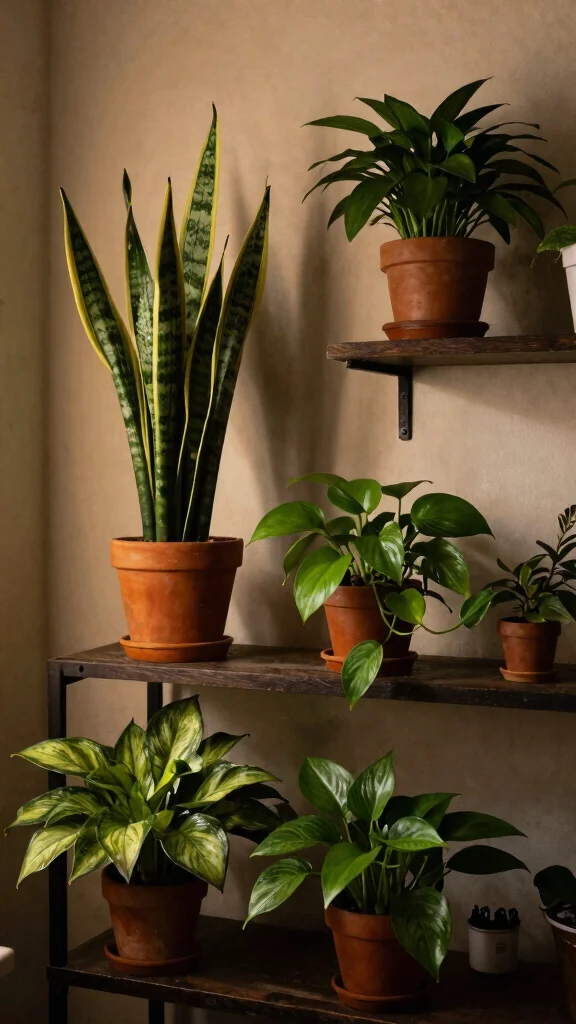
Incorporating low-light indoor plants into your home can significantly enhance the atmosphere while requiring minimal effort.
From the hardy Snake Plant to the elegant Peace Lily, these no-light plants not only survive but thrive in the dimmest corners, bringing life and color to your living spaces. Each of these plants offers unique beauty and benefits, making it easy for anyone to enjoy a bit of nature indoors.
Whether you’re a seasoned plant parent or just starting your indoor gardening journey, these shade-tolerant houseplants are sure to elevate your environment. Consider adding a few to your home and watch how they transform your space!
Note: We aim to provide accurate product links, but some may occasionally expire or become unavailable. If this happens, please search directly on Amazon for the product or a suitable alternative.
This post contains Amazon affiliate links, meaning we may earn a small commission if you purchase through our links, at no extra cost to you.
Frequently Asked Questions
What defines a ‘no light plant’ and which ones are best for almost no natural light indoors?
In truth, no plant truly thrives with zero light, but some are champions of shade. For spaces with almost no natural light, look for no light plants that tolerate ultra-low light. Great options to start with include the ZZ plant (Zamioculcas zamiifolia), snake plant (Sansevieria), cast iron plant (Aspidistra elatior), and the peace lily (Spathiphyllum). A trailing option like Pothos (Epipremnum aureum) can also do well in low light. Practical tips: place them in bright indirect light if possible, rotate every few weeks for even growth, use pots with drainage, and water only when the top inch of soil is dry. This keeps you in the realm of low light indoor plants and indoor plants for low light conditions with low maintenance indoor greenery vibes.
Which indoor plants tolerate the darkest corners and what care do they need?
For the darkest corners, choose shade tolerant houseplants like ZZ, snake, cast iron, and pothos. They’re built to squeeze out energy from very little light, but they still need routine care. Place them in pots with good drainage and use soil that dries a little between waterings. Water when the top inch of soil is dry, usually every 1-2 weeks (less in winter). Wipe leaves occasionally to help with photosynthesis, and avoid overwatering which can lead to root rot. If you can, give a small amount of bright indirect light or a timer-based artificial light to keep growth steady. They’re classic examples of low maintenance indoor greenery that stay healthy in indoor plants for low light conditions.
How often should I water and fertilize these low-light houseplants?
Watering cadence changes with temperature, humidity, and pot size, but a good starting rule is: water when the top 1-2 inches of soil are dry. In many homes this means about every 7-14 days, more often in summer and less in winter. Fertilize sparingly—use a balanced liquid fertilizer at half strength once a month during the active growing season (spring and summer). In the fall and winter, skip or use a half-strength plan. This supports low maintenance indoor greenery without risking root rot. Also consider that no light plants still appreciate occasional feeding to keep their color and vigor, but avoid heavy fertilization.
Can I use artificial light to boost growth in dark rooms and how should I set it up?
Absolutely. Artificial light can turn a near-dark room into a happy home for low light indoor plants. Use a simple LED grow light or full-spectrum lamp, ideally labeled for plant growth. Place the light about 12-24 inches above the canopy and run it on a timer for around 12-14 hours a day (start with 10-12 and adjust). Keep the light slightly to the side to mimic natural daylight angles, and avoid overheating leaves. This is a practical boost for indoor plants for low light conditions and helps shade tolerant houseplants stay compact and healthy.
What are common signs my shade-tolerant houseplants are unhappy, and how can I fix them fast?
Common red flags include leggy growth, pale or yellowing leaves, drooping or curling foliage, brown leaf tips, and slower-than-normal growth. Quick fixes: move the plant a bit closer to a light source or supplement with a grow light, rotate weekly to promote even growth, wipe dusty leaves to improve photosynthesis, and check watering—overwatering is a frequent issue in low-light spaces. If roots are crowded, consider re-potting into a slightly larger container with fresh soil. These steps keep your shade tolerant houseplants thriving as low maintenance indoor greenery.
Related Topics
no light plants
low light indoor plants
shade tolerant houseplants
plants for dark rooms
low maintenance greenery
easy care plants
indoor gardening tips
beginner friendly plants
houseplant care
dark space decor
low light solutions
indoor plant styling