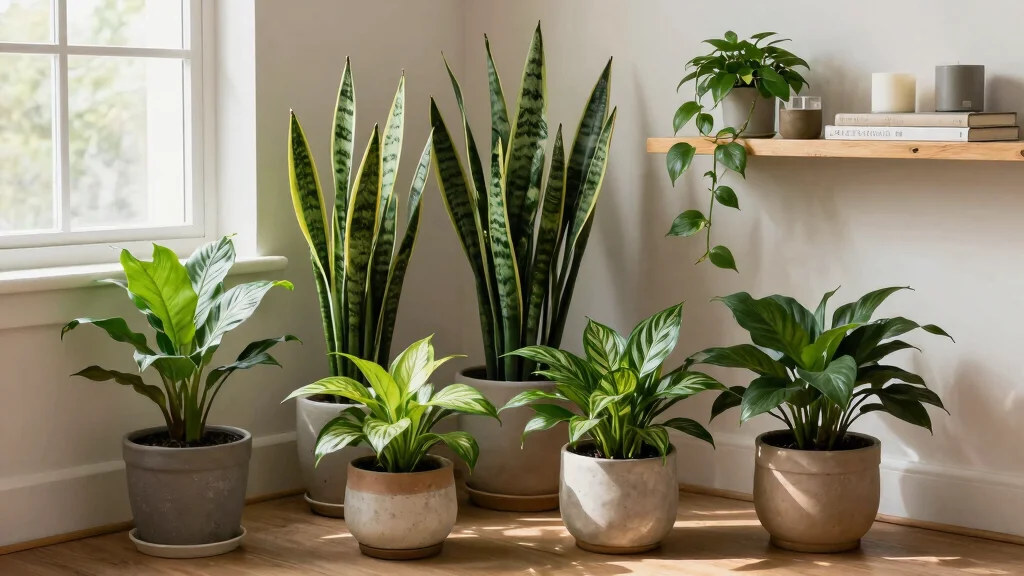
If you’ve ever looked at a dim corner of your home and thought it could use a little life, you’re not alone. Many of us crave that touch of green but struggle with low light conditions that make it hard to keep plants thriving. That’s why I created this guide: to help you discover the best low light houseplants that not only brighten up your space but also thrive without requiring constant attention.
This post is for anyone who loves indoor gardening but may not have the ideal lighting situation. Whether you’re a busy professional, a student, or just someone who wants to bring a bit of nature indoors, you’ll find these options perfect for your needs. With these low maintenance houseplants, you can enjoy a bit of greenery even in the trickiest of spots, like a shaded home office or a cozy nook.
Get ready to explore nine fabulous low light houseplants that are easy to care for, stylish, and can even purify the air in your home. Each selection is a shade-loving plant that can flourish in your dim indoor corners. These plants will not only enhance your space but also contribute positively to your well-being. Let’s jump in!
Key Takeaways
– Diverse Options: There are numerous low light houseplants available, each with its unique charm and care needs, allowing you to choose what fits your style best.
– Low Maintenance: Many of these plants are considered low maintenance, making them ideal for busy lifestyles or for those new to indoor gardening.
– Air Purifiers: Some selected houseplants also serve as air-purifying plants, helping improve your indoor air quality while looking great.
– Design Versatility: Low light houseplants can adapt to various decor styles, from modern minimalism to cozy bohemian, enhancing any room’s aesthetic.
– Wellness Benefits: Incorporating plants into your environment can boost your mood and productivity, making your space not just livelier but also more enjoyable.
Recommended Products

HARDY INDOOR PLANT: Sansevieria Laurentii is a drought tolerant, durable, and adaptable houseplant for beginners
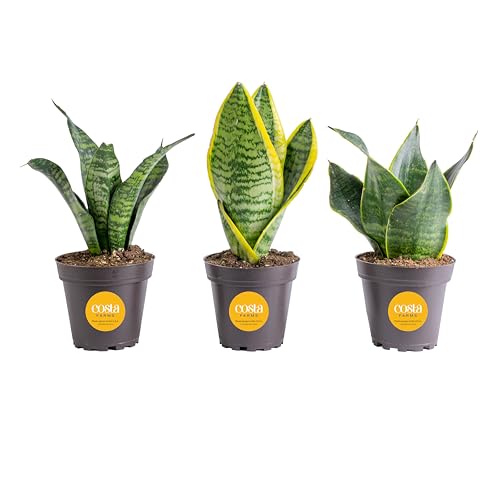
INSTANT HOME STYLING TRIO: Multi pack of three live snake plants takes the guesswork out of interior design by creating an effortless cohesive look across your living room shelves, bedroom nightstands, or home office desks
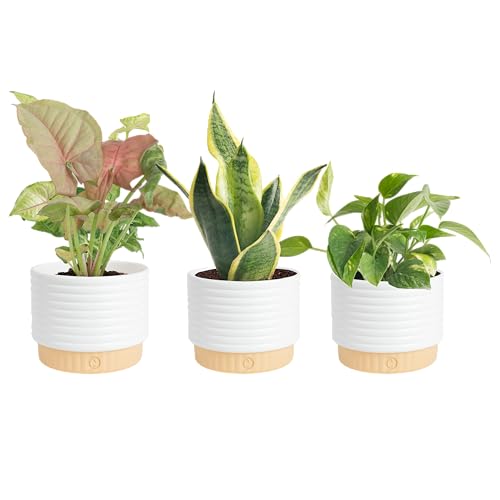
DECOR-READY LIVE INDOOR PLANTS: This 3-pack of houseplants offers incredible value to gift or instantly upgrade any space. Perfect for shelf, tabletop, or office desk. Varieties will vary — examples include Peace Lily, Snake Plant, Fern, and Pothos
1. Snake Plant (Sansevieria)

Looking for a plant that’s both striking and easy to care for? The snake plant, or Sansevieria, is an excellent choice. With its tall, upright leaves featuring various green shades and patterns, it becomes a showstopper in any room. Plus, it thrives in low light and needs minimal watering, making it perfect for busy lifestyles. Not to mention, it helps improve your air quality by converting CO2 into oxygen at night, giving you a health boost too!
To keep your snake plant healthy, allow the soil to dry out between waterings. Use well-draining pots to prevent root rot and dust the leaves to maintain their vibrant appearance. This resilient plant will adapt well whether it’s perched on your desk or nestled in a cozy corner.
Key care tips:
– Allow the soil to dry out between waterings
– Use well-draining pots to prevent root rot
– Dust leaves occasionally to keep them vibrant
With its unique look and air-purifying abilities, the snake plant is a fantastic addition to any indoor space.
Snake Plant (Sansevieria)
Editor’s Choice

Costa Farms Snake Plant, Live Sansevieria Indoor Houseplant in 4-Inch De…


Watering Can for Indoor and Outdoor Plants – Long Spout Water Can for Ga…

Utopia Home Plant Pots Indoor with Drainage Holes – Set of 5 White Pla…
2. Pothos (Epipremnum aureum)

If you want to bring a splash of life to your home, consider the pothos plant. This shade-loving beauty is perfect for dimly lit areas, offering cascading vines that can stretch several feet long. Available in stunning varieties like golden pothos with bright yellow markings or marble queen pothos featuring marbled leaves, it’s a visual delight. Plus, it’s very forgiving, making it ideal for those who might forget to water.
To care for your pothos, water when the top inch of soil feels dry, and don’t hesitate to trim the vines for bushier growth. You can even propagate it in water, giving you new plants to enjoy. This adaptable plant enhances your space with beautiful greenery and texture.
Key care tips:
– Water when the top inch of soil feels dry
– Trim the vines to encourage bushier growth
– Can be propagated easily in water
Pothos adds both vibrancy and freshness, making your home feel more alive.
Pothos (Epipremnum aureum)
Editor’s Choice

Mkono Macrame Plant Hanger Indoor Hanging Planter Basket with Wood Beads…

GooingTop LED Grow Light,6000K Full Spectrum Clip Plant Growing Lamp wit…

Miracle-Gro Indoor Potting Mix, Blended for a Variety of Houseplants, Fe…
3. ZZ Plant (Zamioculcas zamiifolia)

The ZZ plant is the ultimate low-maintenance houseplant, perfect for busy lifestyles. Its glossy, dark green leaves not only thrive in low light but can also survive weeks without water, making it a go-to choice. This resilient plant is also known for its air-purifying qualities, further enhancing your indoor environment.
To keep your ZZ plant thriving, let the soil dry out completely between waterings and dust the leaves occasionally for a polished look. Though it prefers well-lit areas, avoid direct sunlight to keep it happy. Place it on your desk or a side table to enjoy its bold presence.
Key care tips:
– Let the soil dry out completely between waterings
– Dust leaves occasionally to keep them shining
– Place in a well-lit area but out of direct sunlight
With its striking appearance and easy care, the ZZ plant brings life and sophistication to any space.
ZZ Plant (Zamioculcas zamiifolia)
Editor’s Choice

TOYPOPOR Potting Soil for All Indoor Houseplants, Contains Perlite, Peat…

Gepege 6 Inch Beaded Ceramic Planter Set of 2 with Drainage Hole and Sau…

Miracle-Gro Plant Care Leaf Protect and Shine, 4-in-1 Insecticide, Mitic…
4. Peace Lily (Spathiphyllum)
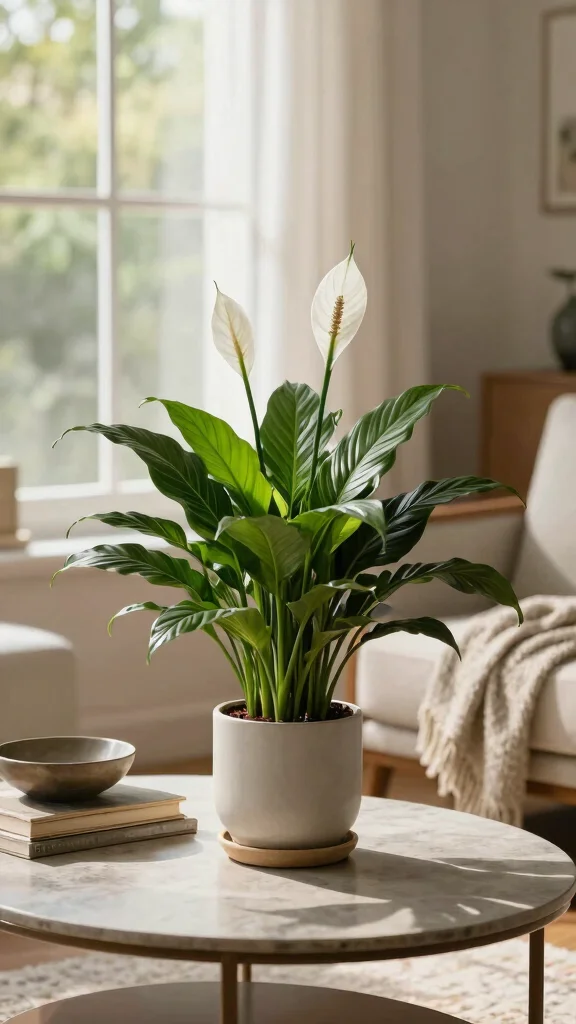
Looking to add a touch of elegance to your home? The peace lily is your answer! With its shiny green leaves and beautiful white blooms, it thrives in low light, making it ideal for darker corners. These plants are not only gorgeous but also known for their air-purifying properties, making your space healthier too. Plus, they let you know when they need water; their leaves droop when thirsty!
To keep your peace lily happy, maintain moisture in the soil without letting it become soggy. Mist the leaves occasionally for extra humidity and keep it out of direct sunlight to prevent burning. Whether in your living room or bedroom, peace lilies bring grace and serenity.
Key care tips:
– Keep the soil moist but not soggy
– Mist the leaves occasionally for added humidity
– Position away from direct sunlight to prevent leaf burn
With their beauty and air-purifying qualities, peace lilies create a calm and inviting atmosphere.
Peace Lily (Spathiphyllum)
Editor’s Choice

vomiceak Face Planter Pots Head, Planters for Indoor Plants – Double Cut…
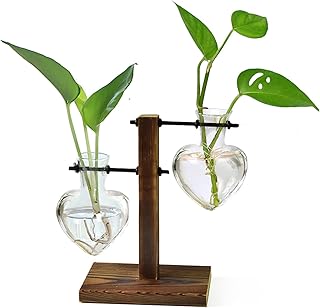
XXXFLOWER Plant Terrarium Wooden Stand, Hydroponic Planter Bulb Glass Me…

22Pcs Gardening Tools Set for Women Heavy Duty Garden Hand Tool Kit Gard…
5. Spider Plant (Chlorophytum comosum)
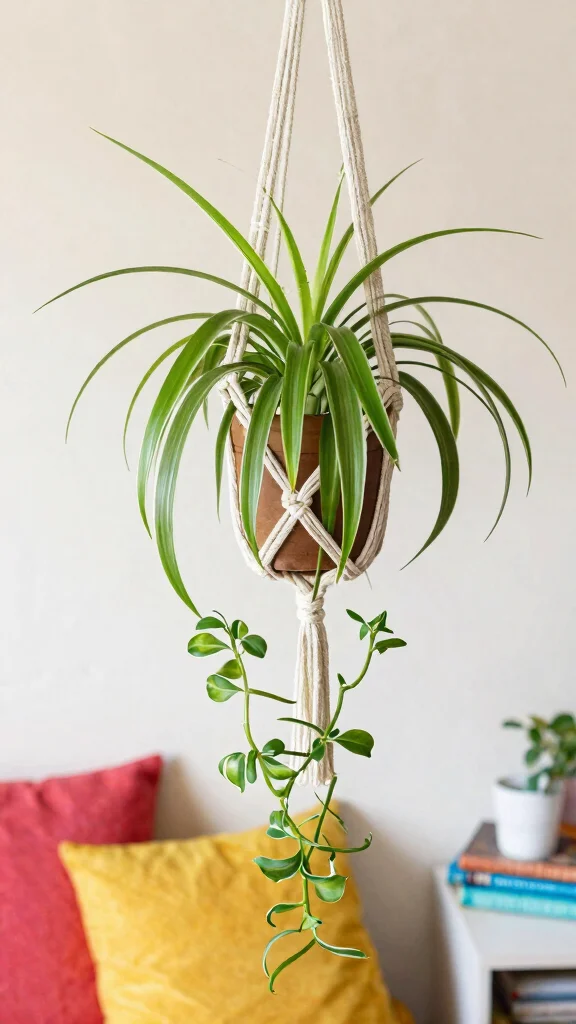
Spider plants are both quirky and delightful, making them a favorite among indoor gardeners. Their arching green and white striped leaves bring a lively touch to any space. They flourish in indirect sunlight and produce ‘baby’ spider plants that can easily be propagated. Plus, they’re fantastic at purifying the air, making them both attractive and beneficial!
To care for your spider plant, water when the soil feels dry to the touch, and fertilize during the growing season for vibrant growth. Trim off any brown leaf tips to keep your plant looking its best. These charming plants can hang beautifully in baskets or reside on a shelf for added drama.
Key care tips:
– Water when the soil is dry to the touch
– Fertilize during the growing season for best results
– Trim off any brown leaf tips to keep it looking neat
With their fun appearance and air-purifying abilities, spider plants can brighten any indoor environment.
Low light just got a glow-up—spider plants thrive in indirect sun and keep tiny ‘baby’ plantlets ready to propagate. Water when the soil dries, fertilize during growth, and enjoy cleaner air with your handy low light house plants.
📹 Related Video: COMPLETE Spider Plant Care – Watering, Lighting, Repotting, Propagation & More -Houseplant Care 101
Ongoing Maintenance & Care Guide
Maintenance Schedule:
Daily/Weekly Tasks:
– Check Soil Moisture: Feel the top inch of the soil to see if it’s dry. This usually takes about 5 minutes.
– Dust Leaves: Gently wipe leaves with a damp cloth to keep them clean and able to photosynthesize. Allocate around 10 minutes for larger plants.
– Rotate Plants: Rotate your plants every week to ensure even light exposure. This task takes about 5 minutes.
Monthly/Seasonal Tasks:
– Fertilize: Use a balanced fertilizer once a month during the growing season. This should take about 15 minutes to mix and apply.
– Repot if Needed: Check if the roots are coming out of the drainage holes. If so, it’s time to repot. Set aside about 30 minutes for this task.
– Prune Dead Leaves: Trim away any dead or yellowing leaves to promote healthy growth. This task usually takes around 10-15 minutes.
– Inspect for Pests: Look for any signs of pests like webs or holes in leaves. This will take about 10 minutes to check thoroughly.
– Change Light Position: If you notice your plant is leaning, change its position to get better light. This will take about 5 minutes.
Maintenance Summary Table:
| Task | Frequency | Difficulty | Time Needed |
|——————————|—————–|—————–|—————|
| Check Soil Moisture | Daily/Weekly | Easy | 5 minutes |
| Dust Leaves | Weekly | Easy | 10 minutes |
| Rotate Plants | Weekly | Easy | 5 minutes |
| Fertilize | Monthly | Medium | 15 minutes |
| Repot if Needed | As needed | Medium | 30 minutes |
| Prune Dead Leaves | Monthly | Easy | 10-15 minutes |
| Inspect for Pests | Monthly | Easy | 10 minutes |
| Change Light Position | As needed | Easy | 5 minutes |
Common Issues to Watch For:
⚠️ Yellowing Leaves: This may mean your plant is overwatered. Check the soil moisture immediately!
⚠️ Wilting: If your plant looks droopy, it could be underwatered. Assess the soil and water if necessary.
⚠️ Brown Tips on Leaves: This can indicate low humidity or underwatering. Consider misting your plants or increasing their water intake.
⚠️ Pests: Look for small insects or webs. If you see any, isolate the plant and treat it with insect soap.
⚠️ Stunted Growth: If your plant stops growing, check for root binding or inadequate light. Repotting or relocating might be required.
Care Tips:
💡 Use Well-Draining Soil: A good mix helps prevent root rot. Look for soil specifically labeled for houseplants.
💡 Maintain Humidity: Most low light houseplants enjoy humidity. Consider grouping plants together or using a humidifier.
💡 Be Mindful of Temperature: Keep your plants away from heating vents or drafts. A stable temperature helps them thrive.
💡 Water Thoroughly but Sparingly: When you do water, make sure to soak the soil until it drains out. This encourages deep root growth.
💡 Observe Your Plants: Regularly check your plants for any changes, whether good or bad. This helps you catch problems early.
By following these guidelines, you can ensure your low light houseplants thrive and add beauty to your dim indoor corners. Happy gardening!
Spider Plant (Chlorophytum comosum)
Editor’s Choice
Mkono Macrame Plant Hanger Indoor Hanging Planter Basket with Wood Beads…

Miracle-Gro Indoor Plant Food for All Plants, Liquid Plant Food for Hous…

Live Green Spider Plants – 2 Starter Plugs for Home & Office Decor – Air…
6. Chinese Evergreen (Aglaonema)

Chinese evergreens are stunning plants that thrive in low light, featuring a variety of colors and patterns from deep greens to vibrant pinks. Known for their hardiness, they are perfect for beginners or anyone dealing with less-than-ideal lighting. Additionally, these plants are excellent air purifiers, making them a great choice for any indoor setting.
To take care of your Chinese evergreen, allow the top few inches of soil to dry out before watering. Keep it away from drafty windows and wipe the leaves with a damp cloth to keep them clean. Adding this plant to your collection can significantly enhance your indoor aesthetic.
Key care tips:
– Allow the top few inches of soil to dry out before watering
– Keep away from drafty windows and cold areas
– Wipe leaves with a damp cloth to keep them clean
With their vibrant colors and air-purifying qualities, Chinese evergreens can truly elevate your home decor.
Chinese Evergreen (Aglaonema)
Editor’s Choice

XLUX Soil Moisture Meter (Since 2015) – Durable 304 Stainless Steel Prob…
Miracle-Gro Indoor Plant Food for All Plants, Liquid Plant Food for Hous…
Gepege 6 Inch Beaded Ceramic Planter Set of 2 with Drainage Hole and Sau…
7. Cast Iron Plant (Aspidistra elatior)
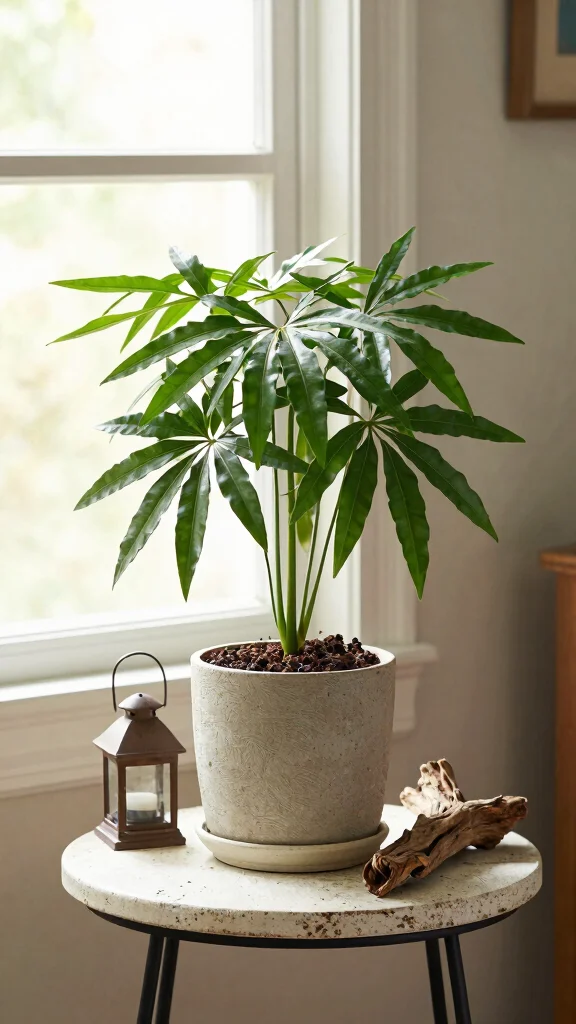
The cast iron plant lives up to its name, being nearly indestructible! Thriving in low light, it can handle neglect, making it perfect for busy plant lovers. Featuring long, arching leaves, this plant adds a lush touch to any room and is also known for its air-purifying abilities.
To care for your cast iron plant, water only when the soil is completely dry and place it in low to moderate light for the best results. Avoid frequent repotting; it prefers to be root bound. This robust plant is perfect for adding greenery to any shady spot in your home.
Key care tips:
– Water only when the soil is completely dry
– Place in low to moderate light for best results
– Avoid frequent repotting, as it prefers to be root bound
With its tough character and lush foliage, the cast iron plant is an excellent choice for any indoor garden.
Fun fact: Cast Iron Plant can go 3–4 weeks without water and still thrive in low light. They’re nearly indestructible, perfect for busy spaces, and they double as air purifiers. Keep them in the corner, and water only when the soil is completely dry.
Cast Iron Plant (Aspidistra elatior)
Editor’s Choice
Miracle-Gro Indoor Plant Food for All Plants, Liquid Plant Food for Hous…
GooingTop LED Grow Light,6000K Full Spectrum Clip Plant Growing Lamp wit…

8/10/12 Inch Self Watering Pots for Indoor/Outdoor Plants – Large Plasti…
8. Boston Fern (Nephrolepis exaltata)
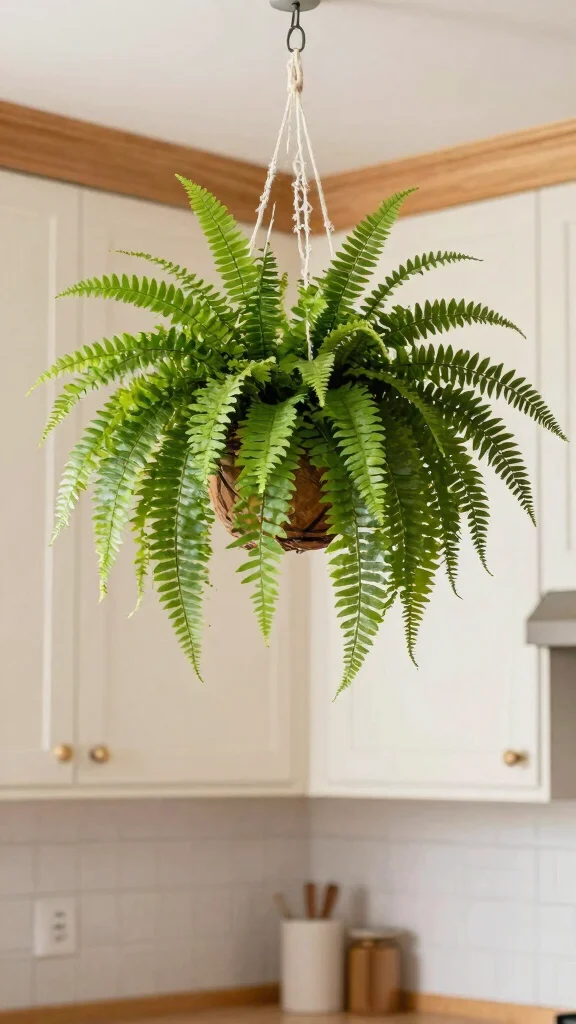
The Boston fern brings a lush, feathery touch to your indoor garden. Known for its rich and vibrant foliage, this plant thrives in humid conditions and does well in indirect light. It’s perfect for hanging baskets or standing tall on a shelf, offering a beautiful aesthetic. Additionally, it’s another great air-purifying option for your home.
To keep your Boston fern healthy, maintain consistently moist soil and mist the leaves regularly. Avoid placing it in direct sunlight, which can scorch its delicate leaves, and fertilize during the growing season for robust growth. This fern can add elegance to any corner, making it a favorite among plant enthusiasts.
Key care tips:
– Keep the soil consistently moist and mist the leaves regularly
– Avoid placing it in direct sunlight, which can scorch the leaves
– Fertilize during the growing season for healthy growth
The Boston fern is a true statement piece that enhances any indoor space.
Boston Fern (Nephrolepis exaltata)
Editor’s Choice
XLUX Soil Moisture Meter (Since 2015) – Durable 304 Stainless Steel Prob…

Spray Bottle for Plants 2 Pack, 16oz – Ultra Fine Mist, Plant Mister Emp…

ZeeDix 2 Pack 14 Inch Hanging Baskets for Plants Outdoor, Metal Wire Rou…
9. Parlor Palm (Chamaedorea elegans)

If you’re after a classic, attractive plant for low light, the parlor palm is perfect. Its slender stalks and feathery fronds add a tropical feel to any indoor setting. This forgiving plant tolerates a bit of neglect, making it ideal for busy individuals.
To care for your parlor palm, allow the top inch of soil to dry out before watering and place it in an area with indirect sunlight. Regularly dust the leaves to maintain their shine. This graceful plant can transform any dull corner into a verdant oasis.
Key care tips:
– Allow the top inch of soil to dry out before watering
– Place it in an area with indirect sunlight
– Dust leaves regularly to maintain their shine
With its lovely appearance, the parlor palm is sure to bring life into your home.
If you’re hunting low light house plants, the parlor palm is a classic you can trust. Keep the top inch of soil dry between drinks, place it in indirect light, and dust the fronds—watch your dim corner transform into a calm, tropical nook.
Parlor Palm (Chamaedorea elegans)
Editor’s Choice

Costa Farms Parlor Palm Live Plant in Plastic Pot, Air Purifying Indoor …

5Pcs Succulent Tools,Mini Garden Tools,Pruning Scissors as Plant Accesso…
Miracle-Gro Plant Care Leaf Protect and Shine, 4-in-1 Insecticide, Mitic…
Conclusion

Bringing low light houseplants into your home is an effortless way to enhance your indoor environment while also benefiting from their air-purifying qualities. These indoor plants not only add beauty but also improve your overall well-being. Whether you’re a seasoned plant parent or just starting your indoor gardening journey, there’s a perfect shade-loving plant for every space in your home. Embrace the greenery and enjoy the difference it makes!
Note: We aim to provide accurate product links, but some may occasionally expire or become unavailable. If this happens, please search directly on Amazon for the product or a suitable alternative.
This post contains Amazon affiliate links, meaning we may earn a small commission if you purchase through our links, at no extra cost to you.
Frequently Asked Questions
What are the best low light houseplants for small spaces?
If you’re looking for low light house plants that thrive in compact rooms, start with reliable picks like the ZZ plant, snake plant, pothos, peace lily, and cast iron plant. In dim corners, these shade-loving plants stay sturdy with minimal fuss. Place them near a north-facing window or under indirect artificial light, use well-draining soil, and water when the top inch dries. Rotate plants monthly for even growth, and you’ll enjoy greenery without crowding your space—perfect if you’re after low maintenance houseplants.
How often should I water low light houseplants to avoid overwatering?
In low light, plants grow more slowly, so they need less water. Check the soil moisture and water only when the top inch or two feels dry. Use pots with drainage and a saucer to catch excess water. A good rule of thumb is often to water every 1–2 weeks, but it varies by pot size, soil mix, and room humidity. If leaves look droopy or yellow, it might mean overwatering or underwatering—adjust accordingly and rely on your low maintenance houseplants routine.
Do low light houseplants really purify the air in my home?
Many air-purifying plants can help reduce indoor pollutants, though effects are modest in real homes. Plants like pothos, snake plant, and peace lily are popular choices for improving air quality in shade or low-light corners. Tip: group a few together on a shelf or in a corner to maximize impact, wipe leaves to keep stomata functioning, and pair with good ventilation. It’s a win-win for a fresher, greener living space with best houseplants for low light vibes.
Which indoor plants tolerate near-dark corners the best?
For the toughest dim spots, look for shade-loving plants and best houseplants for low light such as the ZZ plant, cast iron plant, pothos, philodendron, and snake plant. These favorites keep their shape with minimal light, require infrequent watering, and are forgiving of occasional maintenance lapses. Place them away from strong drafts, water when dry, and enjoy healthy greenery even in deep corners.
How can I style a small space with low light plants to brighten the area?
Create a stylish, functional display using vertical shelves, wall-mounted planters, and light-colored pots to reflect what little light you have. Group a few low light houseplants together near reflective surfaces or a lamp, and consider a tiny LED grow light for extra glow on cloudy days. Rotate plants seasonally to keep growth balanced, and use mirrors or light accents to enhance brightness—perfect for making a dim corner feel welcoming and vibrant.
Related Topics
low light house plants
indoor plants
low maintenance houseplants
shade-loving plants
air-purifying plants
small space gardening
beginner friendly
easy care plants
dim corner decor
plant aesthetics
home greenery
trending houseplants