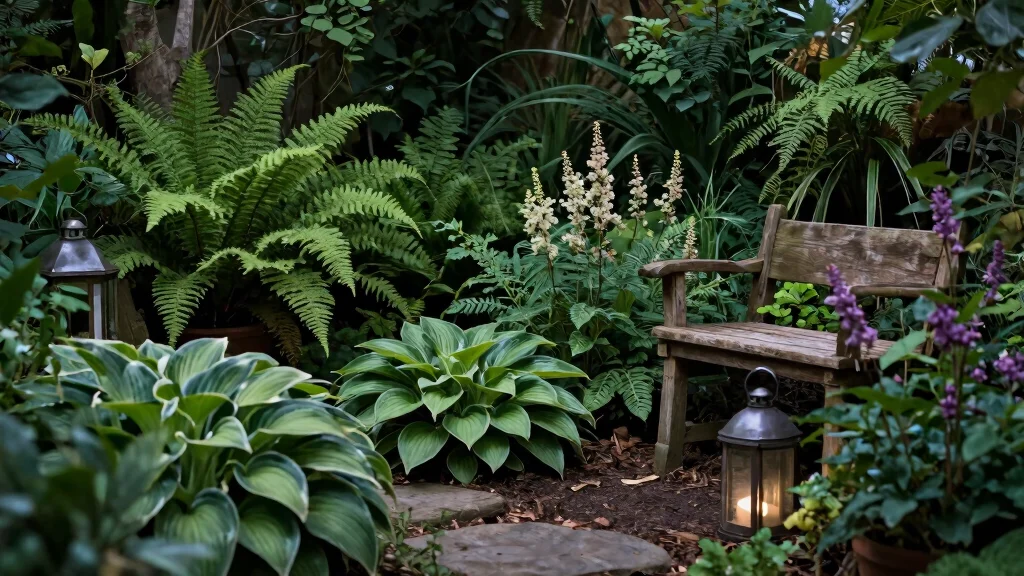
Creating a low light garden can be a challenge, but it can also be a delightful opportunity to embrace the beauty of shaded spaces. If you’ve ever looked out at your dim outdoor corners and thought they could use some life, I feel you. The quest for lush greenery and colorful blooms in areas that seem to be perpetually cloaked in shadow can feel daunting. That’s why I put together this guide—to inspire and empower you to transform those shady spots into stunning havens.
If you’re someone who loves gardening but struggles with low light conditions, this post is for you. Whether you’re a seasoned green thumb or just starting out, you’ll find ideas that resonate with your passion for plants. You’ll learn about shade-tolerant flowers, low maintenance landscaping, and outdoor decor ideas that fit perfectly into those less-than-sunny areas. I pulled together nine fabulous inspirations that are not only practical but also beautiful, allowing you to embrace your shady garden with excitement.
By diving into this guide, you’ll gain actionable insights that will help you create a vibrant low light garden. From lush ferns to creative container gardens, you’ll find inspiration that brings color and life to your outdoor space. Plus, I’ll share tips on how to seamlessly transition plants from indoors to outdoors, ensuring that your garden thrives all year round. Get ready to unlock the potential of your shady outdoor spaces!
Key Takeaways
– Discover various shade-tolerant plants that bring life and color to your low light garden, including ferns and seasonal flowers.
– Learn how to utilize creative container gardens to add mobility and style, perfect for transitioning between indoor and outdoor spaces.
– Explore the use of ground covers to create a lush green carpet that brightens up shaded areas and minimizes maintenance.
– Get ideas for adding garden decor that reflects your personality while enhancing the overall aesthetic of your outdoor space.
– Understand how to create depth and interest by layering plants and choosing bold foliage to make your garden stand out.
Recommended Products
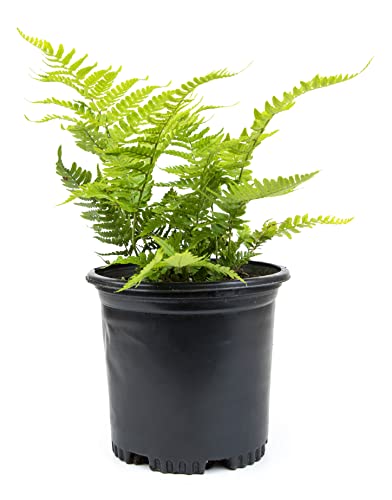
Autumn fern is one of many popular landscaping plants that gardeners grow as lawn edging along a garden pathway, ground cover, a landscape border, or in a hanger planter and in plant pots. This real fern ships in a 1-gallon nursery pot.

【Lifelike Fronds, Real Results】 Fake Fern leaves feature a gradient of deep to light green hues, accented with yellow-green foliage. The varying sizes of leaves create a natural color transition, closely mimicking the color changes in growing plants. They appear as if freshly picked from the forest.

1. Lush Ferns: Nature’s Green Ribbons
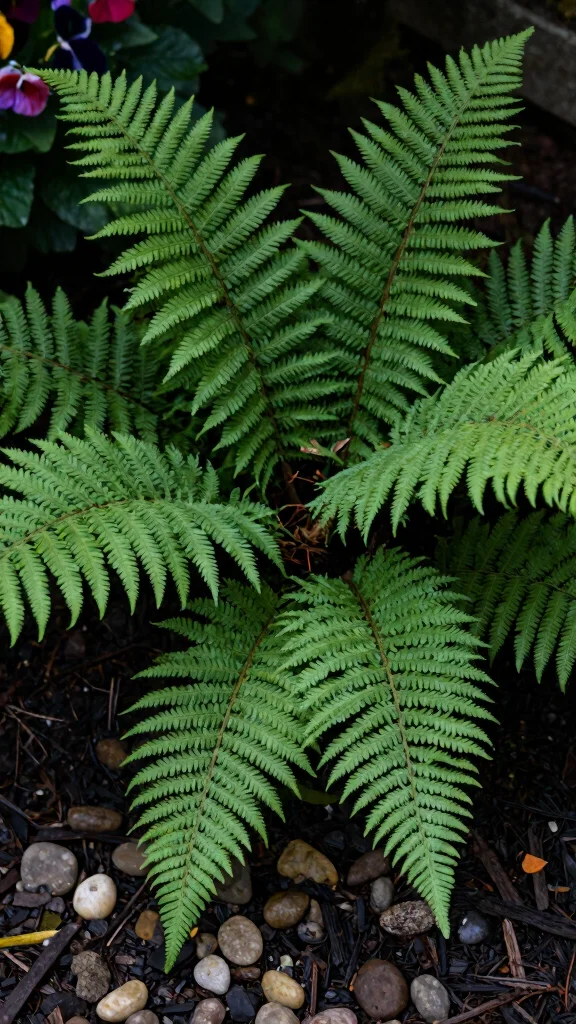
If you’re looking to breathe life into your shady garden, ferns are your go-to choice. Their delicate, feathery fronds add a lush green appeal that softens any outdoor space. Varieties like the Boston fern and maidenhair fern flourish in low light, bringing layers of texture and elegance to even the dimmest corners of your garden.
These plants are incredibly easy to care for. Just keep their soil moist and ensure they receive regular watering to thrive. Ferns can gracefully cascade over pots or garden beds, creating a natural flow that enhances the depth of your landscape.
To elevate their charm, consider surrounding them with decorative stones or mulch for a polished look.
– Use potting soil that drains well.
– Mist them occasionally to maintain humidity.
– Pair with small shade-tolerant flowers for added color.
By incorporating ferns, your garden becomes a tranquil oasis filled with vibrant greenery. You’ll enjoy a serene outdoor retreat in no time.
Fun fact: Ferns have thrived in shade for over 280 million years, turning dim corners into emerald escapes. In a low light garden, Boston and maidenhair ferns love moist soil and regular watering, delivering lush texture with minimal fuss.
Recommended Products

Provides stable and reliable power for AquaGarden fountain plant or decorative lighting.

Flower Stand with Grow Light: The plant light contains 3 supplemental light modes: 1. 48 leds warm white(3000k), only 3000k high uniform light ,like sunlight improve seeding growth ; 2. Warm (660nm): promote plant growth , flowering and fruit; 3. Full Warm White (380nm-780nm), Provide universal full spectrum which can meet the light conditions your plants need most in different stages
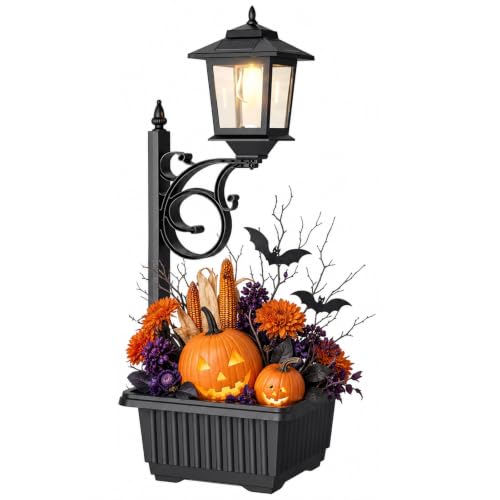
【Enhance Your Outdoor Space】 Combine the beauty of a decorative planter with the charm of warm solar lighting. This 2-in-1 solar lamp post with planter instantly enhances the curb appeal of your front porch, patio, garden, yard, or entryway, creating a warm and welcoming atmosphere day and night. The spacious 11" planter provides more room for real or faux flowers, greenery, pumpkins, and Halloween decorations, creating a fuller and more eye-catching outdoor display throughout every season
Lush Ferns: Nature’s Green Ribbons
Editor’s Choice

XLUX Soil Moisture Meter (Since 2015) – Durable 304 Stainless Steel Prob…


Maidenhair Fern Live Plant for Indoor | Different Houseplants in 4” & 6…

Costa Farms Live Boston Fern Plants (2-Pack), Large 16-Inch Tall Hanging…
2. Shade-Tolerant Flowers: Color in the Shadows
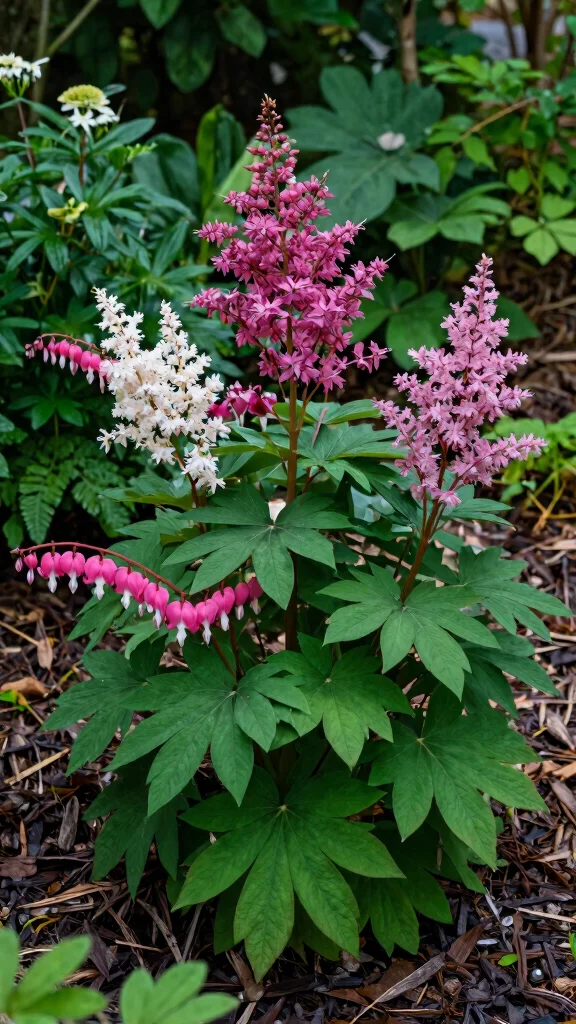
Transform your low light garden into a colorful haven with shade-tolerant flowers. Plants like bleeding hearts, astilbe, and hostas not only survive but thrive in the shade, adding vibrant colors and textures that draw the eye. Imagine feathery plumes of pink and white astilbe brightening up a damp corner of your garden.
These flowers serve as perfect focal points or can line pathways, enhancing the overall aesthetic. Pair them with ferns for a harmonious blend of colors and shapes. Don’t forget to use techniques like mulching to retain moisture and minimize weeds, ensuring your flowers flourish.
Key benefits of shade-tolerant flowers:
– They attract pollinators, boosting biodiversity.
– Many offer fragrant blossoms for added sensory delight.
– They generally require less frequent watering than sun-loving plants.
With these flowers, your garden will burst with life and color, making any shady spot a delightful retreat.
Recommended Products

Pop-Up Mesh Garden Bed Cover – Specifically designed for raised garden beds, this dark green mesh cover allows water and air to pass through while keeping birds, insects, and small animals away. Perfect for vegetables, fruits, flowers, seedlings, and potted plants.

UPF 50+ SUN AND RAIN PROTECTION WITH 8 FOOT OVERSIZED CANOPY: Extra-large coverage shelters your family from harmful UVA and UVB rays and repels rain; ideal for the beach, camping, youth sports sidelines, concerts, festivals, and backyard gatherings

🌱 Charming Blue Forget Me Not Flowers – Produces delicate sky-blue blooms with yellow centers that brighten gardens, borders, woodland spaces, and spring landscapes.
Shade-Tolerant Flowers: Color in the Shadows
Editor’s Choice

Giant Plume Assorted Astilbe Flowers – 3, 6, or 9 Bulbs -Attracts Butter…

Wildflower Seed Bulk, 3 Oz. (80,000+ Seeds) – 19 Non-GMO Flower Seeds …

Miracle-Gro Indoor Plant Food for Tropicals, Liquid Plant Food for Tropi…
3. Creative Container Gardens: Mobility and Style

Container gardening is a brilliant way to make a statement in a low light garden, especially if space is limited. By using pots filled with shade-loving plants, you can easily rearrange your layout to suit your style or the changing seasons. Consider large pots showcasing caladiums with striking leaf patterns or small hydrangeas that add soft pops of color.
Mixing various heights and sizes of containers creates visual interest. Stick to a cohesive color palette, like vibrant greens paired with deep purples, to enhance the overall look. Ensure your pots have proper drainage to keep your plants thriving.
Container gardening tips:
– Use potting mix designed for container plants for optimal growth.
– Group pots together for a more integrated look.
– Water regularly, as containers can dry out quickly.
With container gardens, you can easily experiment with styles and arrangements, giving your low light space a fresh and inviting vibe.
Recommended Products

Antique Finish: Add a touch of vintage style to your lawn, garden or walkway with these 8" outdoor path lights

SOLID BRASS MATERIAL: Fixture housing made of die-cast brass, thickened tube walls make it stronger, unique finish pickling process to maximize the life of the fixture, stable quality of CNC production process, corrosion and moisture resistant, prime choice for coastal or rainforest

Brilliant White Solar Ground Lights: Each solar light features 8 high-intensity LEDs, using advanced energy-saving technology and a powerful Ni-MH 600 mAh solar battery. Enjoy radiant light after just 8 hours of sunlight exposure, making your garden both eco-friendly and dazzling
Creative Container Gardens: Mobility and Style
Editor’s Choice


Drip Irrigation Stakes – Extra Large Improved Drip Easy-Refill 4 Week Wa…
4. Ground Covers: The Green Carpet
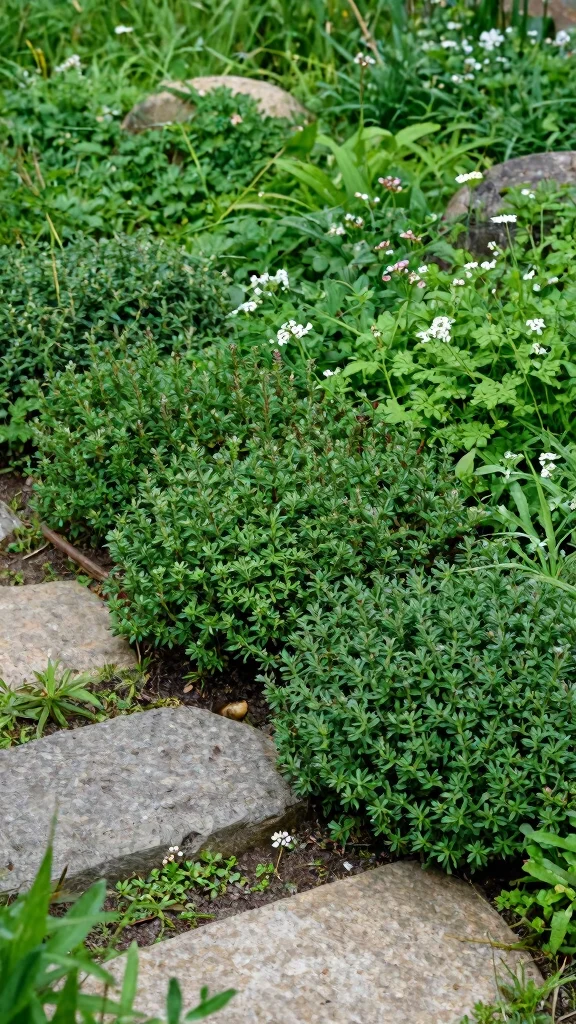
If you want to create a lush, seamless look in your low light garden, consider adding ground covers. These plants spread across the soil, keeping weeds at bay and providing a beautiful green carpet. Varieties like creeping thyme and sweet woodruff not only fill empty spaces but also emit delightful fragrances when stepped on.
Ground covers are low maintenance and can thrive in various soil types, making them versatile for shaded areas. They also help with erosion control, especially on slopes. Plant them among boulders or along paths for a natural, earthy feel.
Here are some popular choices:
– Creeping Jenny: Known for its vibrant yellow foliage.
– Irish Moss: A dense, soft carpet with tiny flowers.
– Lamium: Offers colorful variegated leaves and blooms.
By adding ground covers, your garden will not only look fuller but also be easier to maintain.
Fun fact: Ground covers like creeping thyme and sweet woodruff can blanket shade-friendly soil in a single season, cutting weeds by up to 60% and reducing erosion in your low light garden. Plant them now, water regularly until established, and enjoy a fragrant, emerald carpet.
Recommended Products

Beautiful - Large premium packet of Coleus Rainbow Mix (Plectranthus scutellarioides) seeds. This tender perennial mix produces green leaves that mature into a stunning array of yellow, white, green, pink, red, and deep maroon shades. This shade-tolerant tropical plant can be grown outdoors or indoors. The vivid hues and unique leaf patterns will brighten up any space! Minimum of 250 mg per packet (about 800 seeds).

Vivid Rainbow Foliage: Rainbow coleus seeds produce dense foliage in magentas, greens, yellows, and reds. Coleus seeds thrive in partial sun to shade and add texture to garden beds, borders, and containers.

Faux is the New Fresh: Exotic flowers outdoor in sparking dense green foliage and bright purple brings sunlight of spring into your life. They offer true-to-life petal and foliage textures, flourishing flowers lit up your mood.
📹 Related Video: 10 Groundcovers That Replace Mulch Naturally (And Look Better!)
Ground Covers: The Green Carpet
Editor’s Choice

Sweet Woodruff Ground Cover Live Plants, Galium odoratum, White Flowerin…

Hosta Shade Garden Seeds 210pcs– Decorative Foliage Plants – Ideal f…

Farm Plastic Supply – Erosion Control Blanket – Straw Garden and Landsca…
5. Garden Decor: Adding Personal Touches
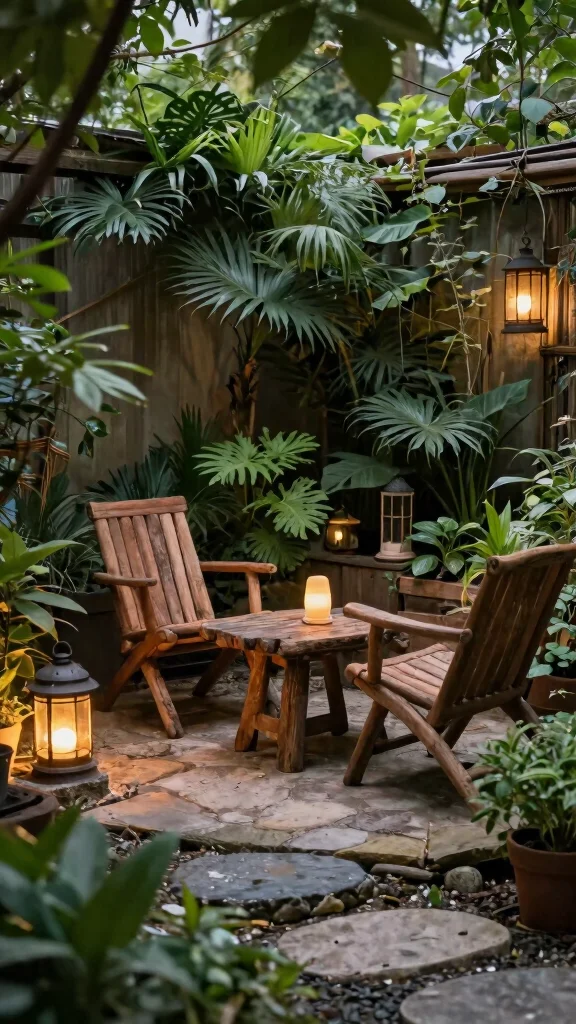
Elevate your low light garden with thoughtful decor that adds charm and character. Incorporating elements like lanterns, rustic furniture, or garden sculptures can transform your space into a cozy retreat. Imagine soft lanterns lining your pathways, casting warm glows in the evening.
Rustic wooden benches or charming garden chairs invite relaxation amidst your shade-loving plants. Using natural materials like stone or wood will enhance the garden’s aesthetic. You can even add decorative pots or bird feeders to attract wildlife, making your garden lively and inviting.
A few tips for decor:
– Choose weather-resistant materials suited for the outdoors.
– Keep decor accents minimal to maintain a soothing atmosphere.
– Use varying heights and textures to keep the eye engaged.
With the right decor, your garden will become a personal sanctuary that reflects your unique style.
Recommended Products


PACKAGE - 2 packs fake ferns, lush & vivid. 1 stem boson fern with 40 fronds, 36 inches diametre after spread, Medium size.

Lifelike Ferns Artificial Plants: 8 bundles of artificial ferns in fresh green, shining and vibrant, designed to uplift your mood and add a touch of wonder. These well-crafted, UV-resistant fake plants look incredibly lifelike and never fade
Top Varieties for Different Conditions
1. Japanese Forest Grass (Hakonechloa macra)
– Best conditions: Ideal for shady areas with moist, well-drained soil.
– Key features: This graceful grass adds a beautiful flowing texture to your low light garden. Its golden-yellow foliage brightens dark corners and creates a lush look.
– Considerations: It requires protection from strong winds and prefers cooler climates. Ensure it doesn’t dry out in particularly hot spells.
2. Hellebore (Helleborus spp.)
– Best conditions: Thrives in well-drained soil under deciduous trees or shrubs.
– Key features: Hellebores offer stunning flowers early in spring when most gardens are still waking up. These shade-tolerant flowers come in various colors, ranging from deep purples to soft pinks.
– Considerations: They dislike overly wet conditions, so be cautious of heavy rains that may cause root rot.
3. Hostas (Hosta spp.)
– Best conditions: Perfect for shaded areas with rich, moist soil.
– Key features: Hostas are available in a wide range of leaf shapes and colors. Their bold foliage brings depth and drama to low light spaces, making them popular shady garden plants.
– Considerations: Slugs and snails can be a problem. Keeping an eye on them and using barriers can help keep your hostas healthy.
4. Astilbe (Astilbe spp.)
– Best conditions: Enjoys partial to full shade and consistently moist soil.
– Key features: Astilbe plants produce stunning feathery plumes in summer. Their bright flowers, available in shades of pink, red, and white, contrast beautifully with foliage.
– Considerations: They need regular watering, especially in dry spells. Overly dry conditions can lead to poor flowering.
5. Lungwort (Pulmonaria spp.)
– Best conditions: Thrives in partial to full shade with moist, well-drained soil.
– Key features: Lungwort features attractive spotted leaves and blooms in early spring. Its early flowers are a delight for pollinators, making it a wonderful addition to your shady garden.
– Considerations: It can become invasive in some regions, so keep it contained or regularly monitor its growth.
6. Coral Bells (Heuchera spp.)
– Best conditions: Prefers partial shade and well-drained soil.
– Key features: Coral bells come in a variety of colors, from deep burgundy to lime green. Their foliage adds a pop of color to low light gardens and works well in containers.
– Considerations: They can struggle in overly wet soils. It’s best to ensure good drainage to avoid root issues.
7. Brunnera (Brunnera macrophylla)
– Best conditions: Thrives in partial to full shade and rich, moist soil.
– Key features: Brunnera features heart-shaped leaves that provide a lovely backdrop for its delicate blue flowers in spring. It’s a fantastic choice for filling in gaps in shady areas.
– Considerations: They can be prone to leaf spot diseases in very humid conditions, so good air circulation is key.
Climate/Condition Guide:
– Temperate: Most of the above varieties work well, especially hostas and astilbes. Look for those that can handle winter cold.
– Coastal: Consider varieties like lungwort and brunnera that tolerate salty air.
– Humid: Hellebore and coral bells are great options, as they thrive in moister environments.
– Hot/Dry: Select varieties that can handle heat, like Japanese forest grass, but ensure they have enough moisture.
– Continental: Choose shade-tolerant flowers like astilbe and hosta, which can withstand temperature fluctuations.
Growing Tips:
– Choose the right soil and ensure it is well-drained to prevent root issues. Incorporate organic matter for better moisture retention.
– Water regularly but avoid overwatering. Keep an eye on weather changes, especially in summer.
Avoid:
– Don’t plant varieties that require full sun in your low light garden; they will struggle and likely die off.
– Avoid heavy mulch in very shady spots, as it can retain too much moisture, leading to root rot.
Recommended Products
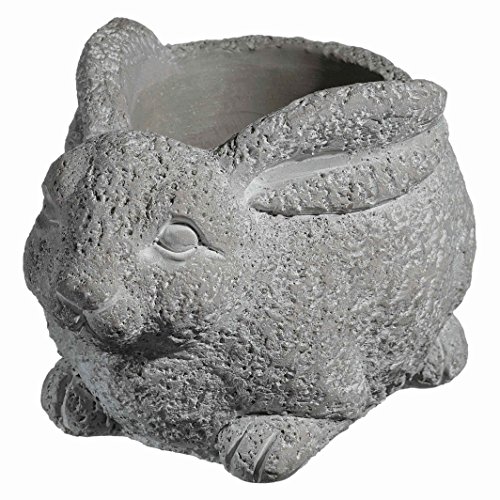
CONTEMPORARY DESIGN: This animal plant pot adds an adorable touch to any space. You can use this cute planter as a display piece indoors on your deck, desk, or table or outdoors on your porch or patio.

Made with Recycled Materials: A blend of recycled plastic, stone powder, and wood dust, PSW Pots are eye-catching and long-lasting for mindful gardening.

SIMPLE STYLE PLANT SHELF: Package includes 5 metal plant stands for indoor and outdoor use. Each metal plant stand has different size to fit different sizes of flowerpots. Decorative iron art plants stand with aesthetic design adds a stylish and nature touch to your home.
Garden Decor: Adding Personal Touches
Editor’s Choice

Solar Lanterns Outdoor Waterproof Gifts for Women Grandma Gifts for Mom …
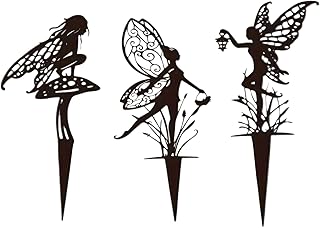
Decorative Garden Stakes, Fairy Garden Statues for Home and Garden (3)

Psilvam 2-Person Outdoor Bench with 700 Lbs Weight Capacity, Poly Lumber…
6. Bold Foliage: Make a Statement
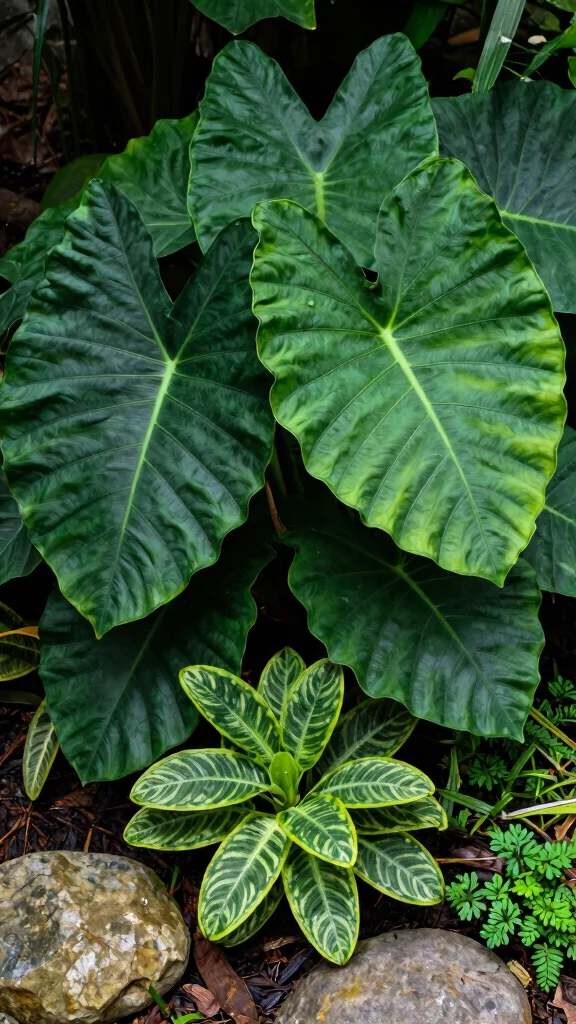
One of the best features of a low light garden is the chance to showcase bold foliage plants that stand out. Plants like elephant ears or cast iron plants add an exotic flair to your shady retreat, with their large, dramatic leaves serving as focal points against softer flowers.
These hardy foliage plants require minimal care, making them a smart choice for busy gardeners. Strategically position them in corners or as a backdrop to more delicate blooms for a striking contrast.
Here are some tips for incorporating bold foliage:
– Use them as focal points in containers or borders.
– Pair with smaller plants for a more dynamic look.
– Ensure they have enough room to grow without overcrowding other plants.
By adding bold foliage, your garden will not only look lush but also create a vibrant atmosphere that draws the eye.
Bold Foliage: Make a Statement
Editor’s Choice

Garden State Bulb Giant Colocasia Elephant Ear Bulbs, 11/13 inches, Spri…

American Plant Exchange Cast Iron Plant – Live 10-Inch Potted Evergree…
7. Layering Plants: Create Depth and Interest
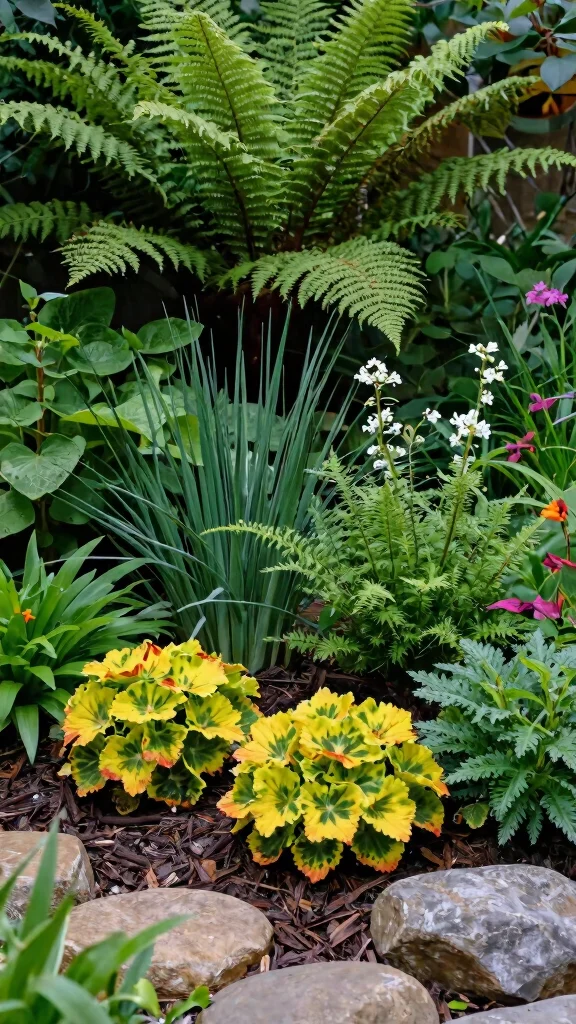
To achieve a visually appealing low light garden, layering plants of different heights and textures is essential. Start with taller plants at the back and gradually decrease height toward the front. This arrangement showcases each plant while creating a sense of movement.
Combining foliage with flowering plants adds even more interest. For instance, position taller ferns behind shorter shade-tolerant flowers like violets or lungworts. Take advantage of varying blooming seasons to keep your garden beautiful year-round.
Here are some ideas for layering:
– Use larger, bold plants for a backdrop.
– Fill in gaps with medium-height flowers.
– Add low ground covers for fullness at the front.
Layering plants not only enhances visual appeal but also creates a garden that feels alive and engaging.
Recommended Products

HARDWIRED 120V RELIABILITY: Purpose-built for permanent driveway lights, walkway lights, and outdoor landscape lighting installations where dependable illumination is required year after year.

SOLID BRASS MATERIAL: Fixture housing made of die-cast brass, thickened tube walls make it stronger, unique finish pickling process to maximize the life of the fixture, stable quality of CNC production process, corrosion and moisture resistant, prime choice for coastal or rainforest

Accent Lighting: Kichler's 12V MR-16 low voltage landscape spotlight features an adjustable cowl that directs uplighting onto trees, statuary, and textured surfaces, creating dramatic visual depth in any outdoor landscape lighting setting.
Layering Plants: Create Depth and Interest
Editor’s Choice


HealthiStraw GardenStraw, 3 cu ft (20 lbs) All-Natural Mulch for Gardens…
8. Seasonal Interest: Year-Round Beauty

Enjoy a garden that surprises you with each season by incorporating a variety of plants that bloom at different times. In a low light garden, you can achieve year-round beauty by mixing early-blooming spring flowers like hellebores with summer stalwarts like hostas or astilbe.
In the fall, plants like Japanese maples add brilliant autumn colors, while evergreens keep your garden vibrant even in winter. This thoughtful selection ensures your outdoor space remains inviting throughout the year.
To create seasonal interest, consider:
– Planting a mix of early, mid, and late-season bloomers.
– Including evergreens for year-round greenery.
– Adding seasonal decor like pumpkin displays in the fall for a festive touch.
By planning for seasonal changes, your garden will always offer something new and beautiful.
❝ In a low light garden, seasonal color is within reach—just stagger bloom times and textures. Plant hellebores for spring, hostas and astilbe for summer, Japanese maples for fall, and evergreens for winter. Your yard stays inviting, 12 months a year. ❞
Recommended Products

100+ PREMIUM SEEDS: Includes over 100 non-GMO orchid seeds, offering an exotic and fragrant perennial flower for your home or garden.

Premium 23 Wildflower Seeds Annual & Perennial Mix - Special Garden Flower Seeds Blend designed for planting indoor and outdoors across North America. With over 23 varieties and 25,000 wildflower seeds, this mix is the best solution to attract pollinators - bees, butterflies & birds are essential for garden plants health.

COLEUS RAINBOW - IN MAXIMUM EXOTIC AND COLOR OBSESSION MODE. TROPICAL PHANTASMAGORIA FOR NORTHERN LATITUDES - WHEN FOLIAGE OVERSHADOWED FLOWERS. Flawless non-GMO seeds from an American brand. Certified for parameters of genetic stability, freshness, germination, adaptability. Rainbow mix, where each seed is a unique masterpiece. Tropical annual for all zones.
Seasonal Interest: Year-Round Beauty
Editor’s Choice

BLOODGOOD Japanese Maple acer palmatum ‘Bloodgood’ 2 – Year Live Tre…


Live Perennial Hosta – Bedazzled (3 Plants Per Pack) Beautiful Accent Pl…
9. DIY Projects for Low Light Gardens
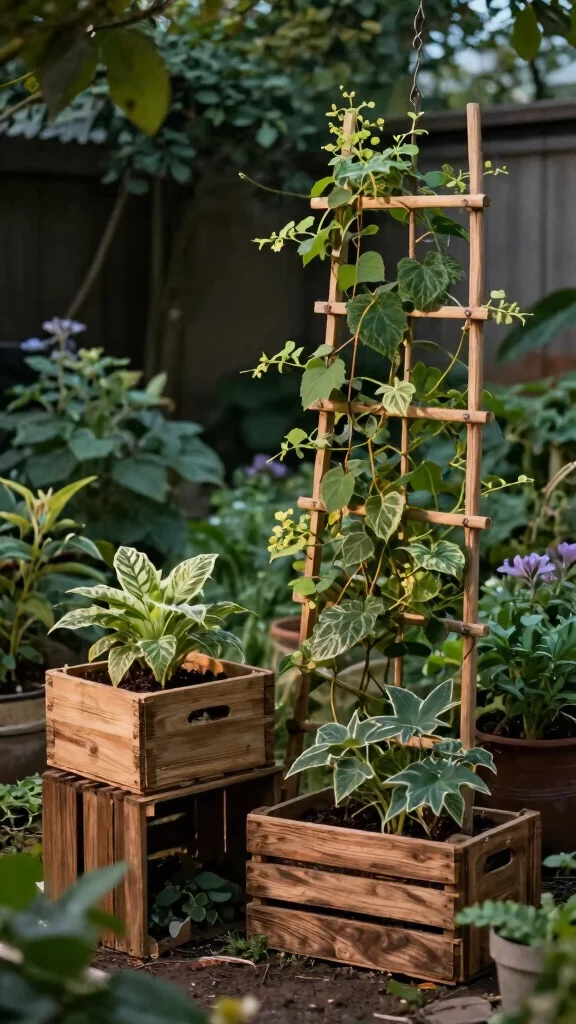
Engaging in DIY projects can truly enhance your low light garden with personal flair. Whether you design unique planters, build raised beds, or create garden art, these projects add charm to your space. Using materials like reclaimed wood or recycled items can lend character to your outdoor area.
Try painting old crates for plant stands or building a simple trellis for climbing shade-tolerant plants like clematis. You can also craft decorative garden markers to stylishly label your plants. These personal touches not only beautify your garden but can also be enjoyable to create.
A few DIY project ideas:
– Upcycle old furniture as garden decor.
– Create a vertical garden wall for limited spaces.
– Make homemade bird feeders to attract wildlife.
With DIY projects, your garden will reflect your creativity and enhance its beauty.
DIY Projects for Low Light Gardens
Editor’s Choice
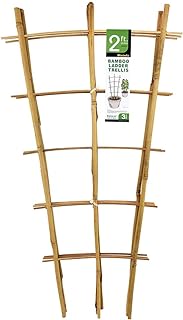
Natural Bamboo Trellis 24 Inches Tall, Mininfa Garden Ladder Trellis, Pl…

FORUP Plant Labels, 10pcs Garden Markers Signs Labels, Weatherproof Reus…

Yaheetech 43.5″ L×16″ W×14″ H Wooden Raised Garden Bed, Horticul…
Conclusion

A low light garden is not just a challenge; it’s an opportunity to explore the beauty of shade-tolerant plants and create a peaceful retreat. By incorporating these diverse ideas, you can transform your shady outdoor space into a vibrant ecosystem filled with life, color, and tranquility.
Remember, the journey of gardening is about experimentation and enjoyment. Embrace your unique style and let your garden reflect your personality. Happy gardening!
Note: We aim to provide accurate product links, but some may occasionally expire or become unavailable. If this happens, please search directly on Amazon for the product or a suitable alternative.
This post contains Amazon affiliate links, meaning we may earn a small commission if you purchase through our links, at no extra cost to you.
Frequently Asked Questions
Which shade-tolerant indoor plants work best in a low light garden, and how can I display them outdoors?
For a low light garden, many popular indoor plants thrive when moved outdoors in partial shade. Great options include pothos (Epipremnum aureum), snake plant (Sansevieria), ZZ plant (Zamioculcas zamiifolia), and philodendron varieties, which tolerate dim light. Pair them with reliable shade lovers such as ferns, hostas, and caladiums to add texture. Practical tips: acclimate plants to outdoor temperatures over a week or two, place them in sheltered, dappled-light sites, and use well-draining potting mix with regular but not soggy watering. Group containers at different heights on steps or a trellis to create vertical interest for your low light garden.
How can I design a low maintenance landscaping plan for a shady space?
Start with a simple light map of your yard to identify where the sun hides all day. Choose evergreen structure plants and dependable shade-tolerant perennials like hosta, ferns, heuchera, and astilbe for lasting foliage and color. Use shrubs that stay put year-round to reduce weeding and pruning. Create wide mulch beds instead of edging, and install a smart drip irrigation or soaker hose with a timer to cut maintenance time. Mulch deeply to retain moisture and suppress weeds. Finally, group plants with similar water and care needs to simplify upkeep. Your shady garden will look lush with less effort, thanks to low maintenance landscaping principles.
How can I create a seamless indoor-outdoor transition in a shaded garden?
Think of the border as a bridge between inside and outside. Use the same color palette, materials, and textures on planters and furniture for an indoor-outdoor transition. Place large, durable pots near entry doors with trailing or upright shade-loving plants to connect interiors with the garden. Add a small seating area under a pergola or canopy, and use soft outdoor rug or cushions in colors that echo the indoor décor. String low-glow lighting and install reflective surfaces or a shallow water feature to brighten corners without direct sun.
Which shade-tolerant flowers bloom well in low light, and how should I care for them?
Several blooms thrive in shady spots, including impatiens, begonias, astilbe, heuchera (colorful foliage with flowers), and flowering varieties of hosta. Plant in moist, well-drained soil and keep the soil evenly watered; avoid letting it dry out between waterings. Deadhead faded flowers to encourage more blooms, and apply a light, balanced fertilizer in spring and mid-summer. Mulch to moderate root temperature and protect against heavy rain. With consistent moisture and partial shade, you will enjoy a longer blooming period in your low light garden.
What outdoor decor ideas can brighten a shady garden without direct sun?
Brighten up the shade with reflective and light-colored accents: pale planters, white or light stone, and mirrors placed where they catch ambient light. Add outdoor decor ideas like solar-powered string lights, lanterns, and wind chimes to create a cozy glow after sunset. Use a small fountain or trickling water feature to add movement and sound that make the space feel larger. Finally, incorporate furniture with weatherproof cushions in soft tones to mirror indoor comfort and invite lingering in your shady sanctuary.
Related Topics
low light garden
shady garden plants
shade-tolerant flowers
outdoor decor ideas
low maintenance landscaping
indoor-outdoor transition
beginner friendly
easy gardening
seasonal blooms
urban gardening
container gardening
transform your garden