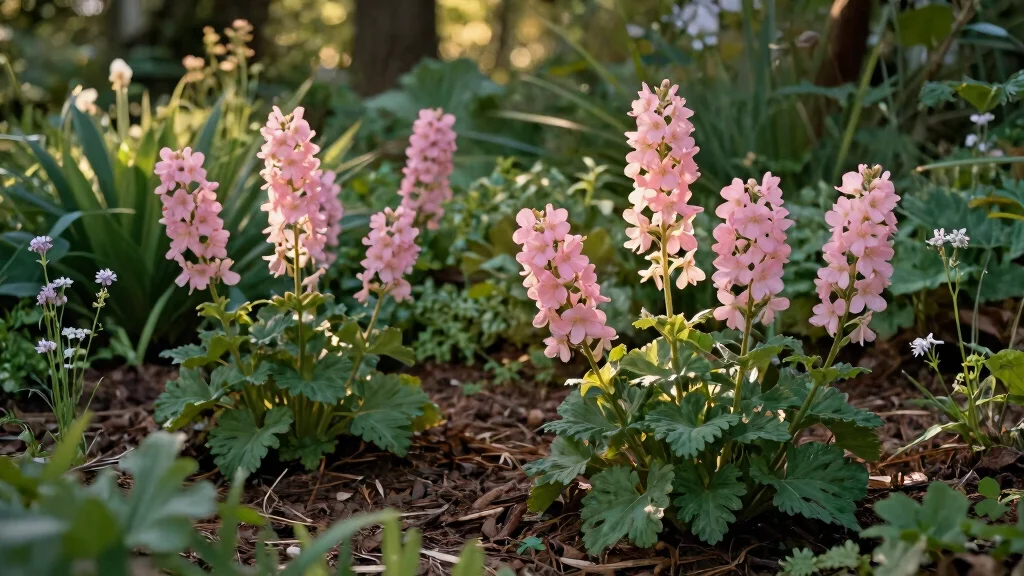
Creating a beautiful garden often means choosing the right flowers to convey the vibe you want. If you’re dreaming of a soft and romantic garden, light pink flowers are your best friends. These delicate blooms can bring an airy, cheerful aesthetic to any outdoor space. This post is for anyone who loves gardening, whether you’re a seasoned pro or just starting out. If you’re looking to infuse your garden with charm, you’ve found the right place.
In this guide, you’ll discover nine stunning light pink flowers that thrive in shaded woodland gardens. Each flower has its own unique beauty and charm that can elevate your garden’s overall look. Whether you’re planning a new garden or looking to refresh an existing one, I’ve compiled a list of soft garden aesthetics that will inspire you. You’ll get insights into blooming seasons, care tips, and how to mix and match these romantic flower varieties for beautiful pink flower combinations. Get ready to create a garden that feels welcoming and serene.
Key Takeaways
– Variety of Flowers: Discover nine light pink flowers that thrive in shade, perfect for creating a romantic garden look.
– Caring for Your Blooms: Learn specific care instructions to help your chosen flowers flourish in your woodland garden.
– Blooming Seasons: Understand the blooming seasons for each flower, so you can enjoy their beauty throughout the growing year.
– Combining Colors: Get tips on how to combine these light pink flowers with other colors to enhance your garden’s aesthetic.
– Creating a Soft Atmosphere: Find practical advice on how to arrange your flowers to create a serene and inviting garden space.
1. Peonies: The Garden’s Blushing Beauties

If you’re dreaming of a garden filled with lush blooms and a delightful fragrance, peonies are your go-to flowers. Their soft pink petals and romantic symbolism bring a touch of elegance to any landscape. Best suited for late spring to early summer blooms, these beauties thrive in partial shade and well-drained, moist soil, making them perfect for various garden styles.
To keep your peonies flourishing, consider planting them in areas where their lovely scent can be enjoyed, such as near pathways. They make stunning focal points against darker leaves and can easily enhance the charm of your garden.
Key care tips for peonies:
– Support heavy blooms with stakes when needed.
– Deadhead spent flowers to encourage new growth.
– Apply mulch around the base to retain moisture.
Perfect pairing options:
– Pair with white daisies for a fresh contrast.
– Combine with deeper pink or purple flowers for added vibrancy.
Peonies will turn your outdoor space into a romantic paradise, blooming beautifully from May to June.
Peonies: The Garden’s Blushing Beauties
Editor’s Choice

Gardening Apron with Pockets for Women & Men – Garden Apron 7 Pockets & …


KVR Upgraded Garden Kneeler and Seat with Thicken & Widen Soft Kneeling …

Wells Lamont Gardening Gloves for Women – Breathable Polyester, Seamle…
2. Astilbe: Feathered Delights in Soft Hues

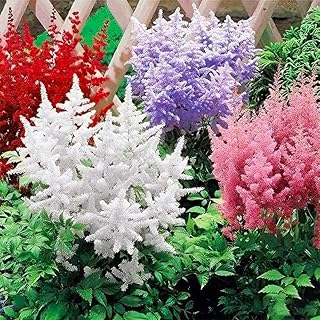
Astilbe adds a soft, feathery touch to your garden with its delicate pink plumes. These charming perennial flowers bloom from late spring to summer, thriving in shady spots, making them perfect for woodland areas. Their unique arching stems and lush foliage create an ethereal atmosphere that will mesmerize anyone.
For a stunning display, plant astilbe near ponds or in rain gardens where the soil remains consistently moist. They not only beautify your garden but also attract beneficial pollinators, boosting your garden’s vitality.
Essential care tips for astilbe:
– Keep soil well-watered, especially during dry spells.
– Divide plants every few years for optimal growth.
– Add a layer of mulch to conserve moisture.
Best combinations:
– Pair with purple or white flowers for a soft contrast.
– Mix with blue flowering plants to create a dreamy palette.
Astilbe will sway gracefully in the breeze, enhancing the romantic vibe of your garden, especially between June and August.
Fun fact: Astilbe can brighten shade with light pink flowers from late spring to summer. These airy plumes thrive in moist woodland spots, turning drab corners into a soft, romantic backdrop.
Astilbe: Feathered Delights in Soft Hues
Editor’s Choice
1100+ Mix Astilbe Arendsii Bunter Seeds for Planting-Non-GMO Heirloom Pl…

COOLJOB 2 Pairs Gardening Gloves for Women Ladies, Breathable Rubber Coa…

Trifabricy Gardening Gloves for Women, Breathable Leather Garden Gloves …
3. Japanese Anemone: Timeless Elegance

Japanese anemones are a stunning addition to any garden, featuring delicate pink flowers that bloom in late summer to fall. They provide a lovely splash of color as other summer flowers begin to fade, making them ideal for maintaining interest in your garden.
Thriving in partial shade, these flowers often flourish at the edges of wooded areas. Their soft petals and striking yellow centers create a classic charm, perfect for a relaxed garden aesthetic.
Care instructions for anemones:
– Water regularly, particularly during dry spells.
– Trim back after flowering to promote healthy growth.
– Divide every few years for strong blooms.
Companion planting ideas:
– Pair with hostas for a rich backdrop.
– Combine with goldenrod or late-blooming daisies for added texture.
Japanese anemones will elevate your garden’s elegance from August to October, enriching its soft color theme.
Japanese Anemone: Timeless Elegance
Editor’s Choice

Grenebo Gardening Tools 9-Piece Heavy Duty Garden Hand Tools with Fashio…
COOLJOB 6 Pairs Gardening Gloves for Women Ladies, Breathable Rubber Coa…
KVR Upgraded Garden Kneeler and Seat with Thicken & Widen Soft Kneeling …
4. Bleeding Heart: The Heartfelt Symbol

Bleeding hearts are known for their captivating heart-shaped blossoms in soft pink, embodying deep love and compassion. Blooming in spring, these whimsical flowers add an enchanting touch to any garden setting.
These charming plants thrive in shady locations and prefer moist soil, making them excellent choices for woodland gardens. Their elegant, arching stems and unique flowers attract butterflies and hummingbirds, enhancing the garden’s liveliness.
Care tips for bleeding hearts:
– Keep the soil consistently moist, especially during dry weather.
– Cut back stems after flowering for healthy regrowth.
– Protect from aggressive weeds that compete for nutrients.
Lovely pairing ideas:
– Combine with hostas for a lush ground cover.
– Add contrasting white blooms for a crisp look against the pink.
Bleeding hearts bring a unique beauty and tenderness to your garden, making them perfect for springtime displays.
Bleeding Heart: The Heartfelt Symbol
Editor’s Choice
COOLJOB 2 Pairs Gardening Gloves for Women Ladies, Breathable Rubber Coa…
KVR Upgraded Garden Kneeler and Seat with Thicken & Widen Soft Kneeling …
Grenebo Gardening Tools 9-Piece Heavy Duty Garden Hand Tools with Fashio…
5. Columbine: A Splash of Color
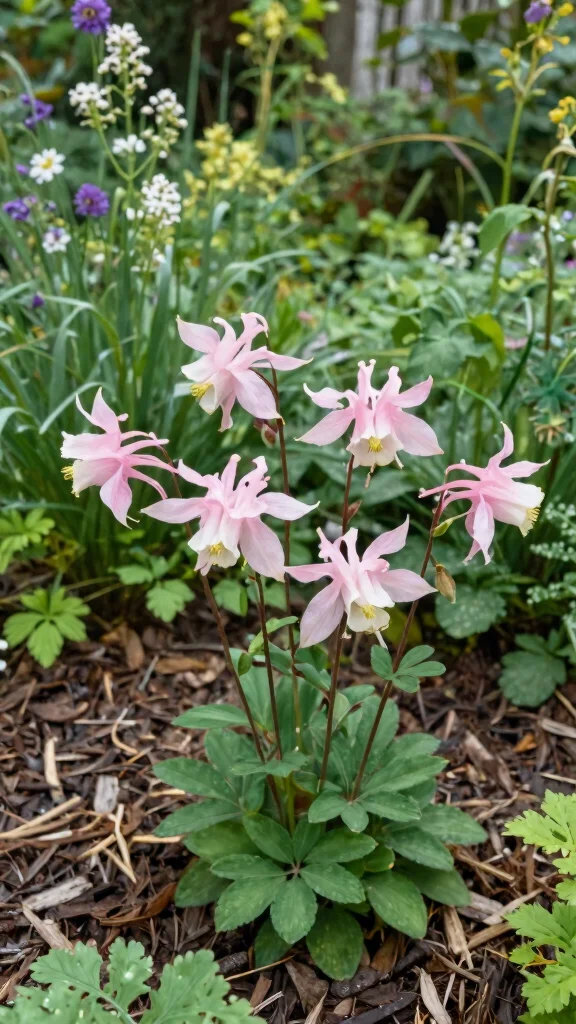
Columbine flowers are a delightful addition to any garden, celebrated for their unique spurred petals and airy structure. The light pink varieties are especially charming, adding a soft touch and elegance to your garden space.
Blooming from late spring to early summer, these flowers thrive in partial shade, attracting hummingbirds and butterflies to your garden. Their whimsical appearance makes them wonderful companions for other woodland flora, creating a relaxed and inviting atmosphere.
Caring for columbine:
– Ensure well-drained soil and consistent watering.
– Deadhead spent blooms to encourage more flowers.
– Allow some seed heads to develop for natural reseeding.
Color combinations to consider:
– Pair with violets for a soft pastel palette.
– Combine with blue or white flowers for a stunning contrast.
Let columbine’s unique shapes and colors captivate your senses, filling your garden with beauty from May to June.
Columbine: A Splash of Color
Editor’s Choice
Grenebo Gardening Tools 9-Piece Heavy Duty Garden Hand Tools with Fashio…
COOLJOB 2 Pairs Gardening Gloves for Women Ladies, Breathable Rubber Coa…
KVR Upgraded Garden Kneeler and Seat with Thicken & Widen Soft Kneeling …
6. Turtlehead: A Hidden Gem
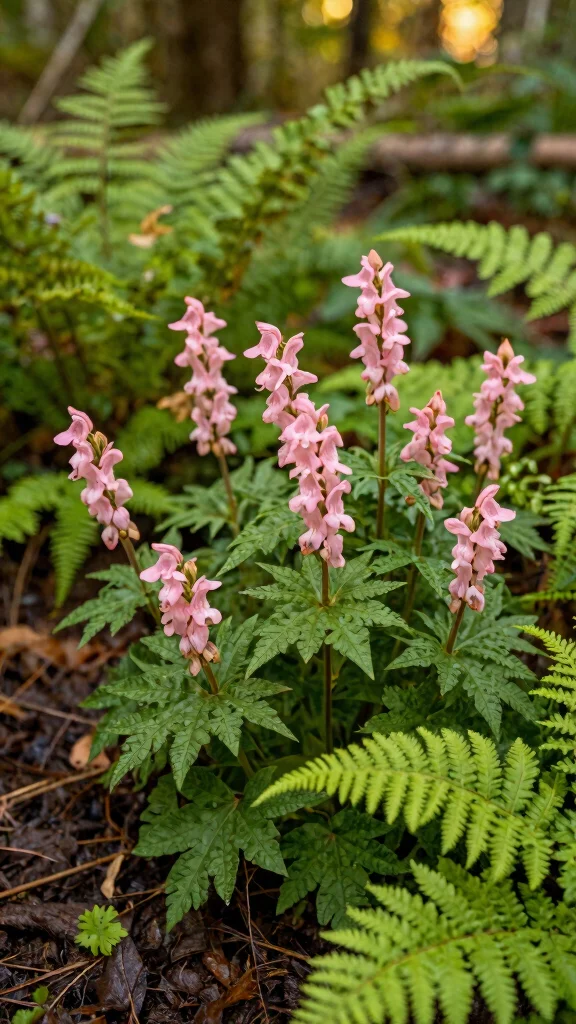
Turtlehead flowers may be lesser-known, but their soft pink blooms resemble turtle heads and add charm to any garden. Blooming from late summer to early fall, they thrive in moist, shady conditions, making them ideal for woodland settings.
These unique flowers attract pollinators, promoting biodiversity in your garden. Their tubular shape creates visual interest, pairing beautifully with ferns and native plants for a lush, natural look.
Care for turtlehead:
– Ensure consistent moisture in the soil for healthy growth.
– Fertilize in early spring for vibrant blooms.
– Cut back spent flowers to encourage continuous blooming.
Best partners for turtlehead:
– Combine with astilbe and hostas for a layered effect.
– Use alongside native plants for a naturalized appearance.
Enjoy the unique allure of turtlehead flowers as they enhance your garden’s beauty from August to October.
📹 Related Video: White Turtlehead (Chelone glabra)
Ongoing Maintenance & Care Guide
Maintaining your light pink flowers in a woodland garden is essential for achieving soft garden aesthetics. You want to keep them healthy and blooming beautifully. Here’s how you can ensure your romantic flower varieties thrive.
Maintenance Schedule:
Daily/Weekly Tasks:
– Watering: Check the soil moisture. Water your flowers if the top inch of soil feels dry. This usually takes about 10 minutes.
– Weeding: Remove any weeds around your flowers to reduce competition for nutrients. Spend about 15 minutes weekly.
– Deadheading: Snip off spent blooms to encourage new growth and prolong flowering. This task takes about 10 minutes.
Monthly/Seasonal Tasks:
– Fertilizing: Use a balanced fertilizer every month during the growing season. This should take around 30 minutes to apply evenly.
– Pest Inspection: Check for pests like aphids or spider mites. Use insecticidal soap if necessary. Spend about 20 minutes on this task.
– Mulching: Add a layer of mulch in spring to help retain moisture and suppress weeds. This can take about 1 hour.
– Pruning: Trim back perennials after they finish blooming. This keeps your garden tidy and healthy, taking around 30 minutes.
– Soil Testing: Every few months, test the soil pH and nutrient levels. Adjust as needed, which can take about 1 hour.
Maintenance Summary Table:
| Task | Frequency | Difficulty | Time Needed |
|———————|——————|—————|—————|
| Watering | Daily/Weekly | Easy | 10 minutes |
| Weeding | Weekly | Easy | 15 minutes |
| Deadheading | Weekly | Easy | 10 minutes |
| Fertilizing | Monthly | Moderate | 30 minutes |
| Pest Inspection | Monthly | Moderate | 20 minutes |
| Mulching | Seasonal | Moderate | 1 hour |
| Pruning | Seasonal | Easy | 30 minutes |
| Soil Testing | Seasonal | Moderate | 1 hour |
Common Issues to Watch For:
⚠️ Wilting Leaves: If your flowers look droopy, they may need watering. Check the soil’s moisture level.
⚠️ Yellowing Leaves: This could indicate overwatering or nutrient deficiencies. Assess your watering routine and consider fertilizing.
⚠️ Pest Damage: Look for holes in leaves or visible bugs. If you see these, act quickly with insecticidal soap.
⚠️ Mold Growth: Fungal growth on leaves means you may be overwatering or not providing enough air circulation. Adjust watering and prune if necessary.
⚠️ Stunted Growth: If your flowers aren’t growing as expected, check the soil nutrients. A soil test can help identify deficiencies.
Care Tips:
💡 Water Early: Water your flowers in the morning to allow leaves to dry out during the day. This helps prevent fungal diseases.
💡 Rotate Plants: If you have a variety of flowers, rotate their positions in your garden each season. This helps prevent soil-borne diseases.
💡 Mulch Wisely: Use organic mulch like bark or straw. It suppresses weeds and enriches the soil as it breaks down.
💡 Group Planting: Plant your light pink flowers together. This creates a stunning visual effect and makes watering easier.
💡 Watch for Sunlight: Ensure your flowers get the right amount of shade. Too much sun might scorch them, while too little can hinder growth.
With this ongoing maintenance and care guide, you’ll enjoy a thriving garden filled with beautiful light pink flowers. Happy gardening!
Turtlehead: A Hidden Gem
Editor’s Choice

Bafelia Garden Apron for Women with 6 Pocket,Half Florist Apron

FLINTER Garden Kneeler and Seat, 10.2″ Wider Heavy Duty Thick Gardening …
COOLJOB 6 Pairs Gardening Gloves for Women Ladies, Breathable Rubber Coa…
7. Hellebore: The Winter Bloom
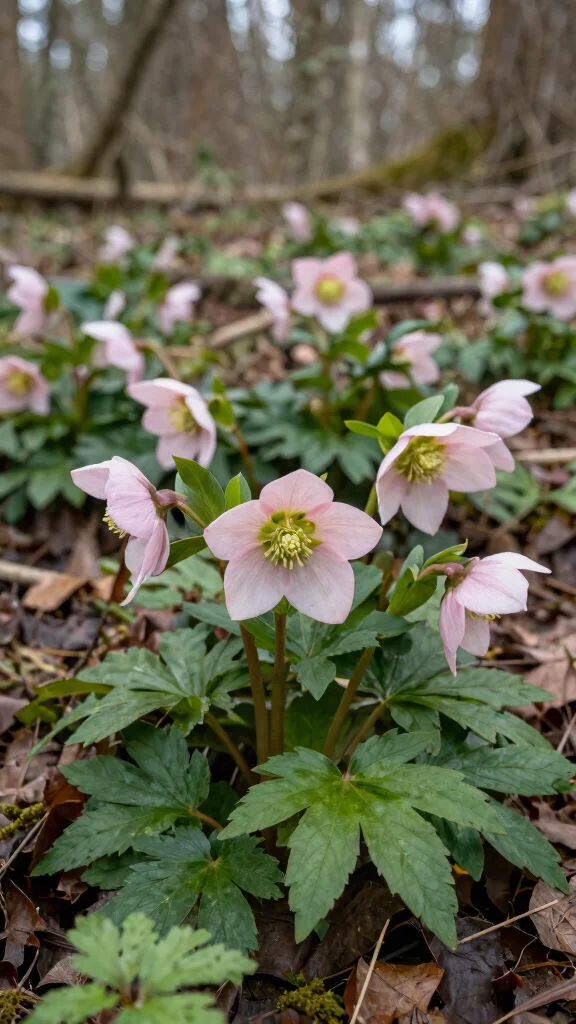
Hellebores, or Lenten roses, are remarkable for blooming during late winter to early spring. Their enchanting light pink flowers rise above the snow, bringing hope and beauty to your garden when most plants remain dormant.
These shade-loving perennials prefer moist, well-drained soil, making them perfect for beds tucked beneath trees or larger shrubs. They are resilient and can bloom for several months, adding color during the early growing season.
Caring for hellebores:
– Ensure well-drained soil, as they dislike standing water.
– Remove spent flowers to prolong blooming.
– Mulch to keep roots cool and retain moisture.
Best companions for hellebores:
– Pair with daffodils or tulips for a striking spring display.
– Combine with soft white flowers for a classic look.
Embrace the charm of hellebores as they awaken your woodland garden in early spring, providing soft pink blooms when the garden is still waking up.
Did you know hellebores can bloom for 2–3 months from late winter to early spring, even under light shade? Plant them in moist, well-drained soil beneath trees to keep them thriving and keep your garden looking softly romantic with light pink flowers.
Hellebore: The Winter Bloom
Editor’s Choice

Great Big Tomatoes & Vegetables Soil Fertilizer Booster for Bigger Yield…

Helleborus orientalis ‘Brandywine’ (Lenten Rose)
COOLJOB 2 Pairs Gardening Gloves for Women Ladies, Breathable Rubber Coa…
8. Foam Flower: The Carpet of Delicate Blooms

Foam flowers are an excellent choice for creating a soft ground cover in your woodland garden. Their light pink flowers bloom in spring and early summer, forming a lovely carpet across the forest floor.
These plants thrive in shade and spread quickly, filling gaps and minimizing weed growth. The delicate foam-like flowers rise above lush green foliage, adding beauty and texture to the landscape. Plus, they are low-maintenance, perfect for busy gardeners.
Care tips for foam flower:
– Water regularly while avoiding overwatering.
– Use organic mulch to maintain moisture and suppress weeds.
– Divide clumps every few years for healthy growth.
Combinations to consider:
– Pair with creeping phlox for layers of color.
– Combine with taller plants for a stunning visual effect.
Foam flowers will not only soften your garden but also create a cheerful ambiance during their blooming season from April to June.
Fun fact: Foam flowers can create a soft ground cover that spreads about 1–2 feet each year in shade, forming a delicate carpet of light pink flowers every spring and early summer. It’s low-maintenance and helps suppress weeds without heavy work.
9. Sweet William: Nostalgic Blooms
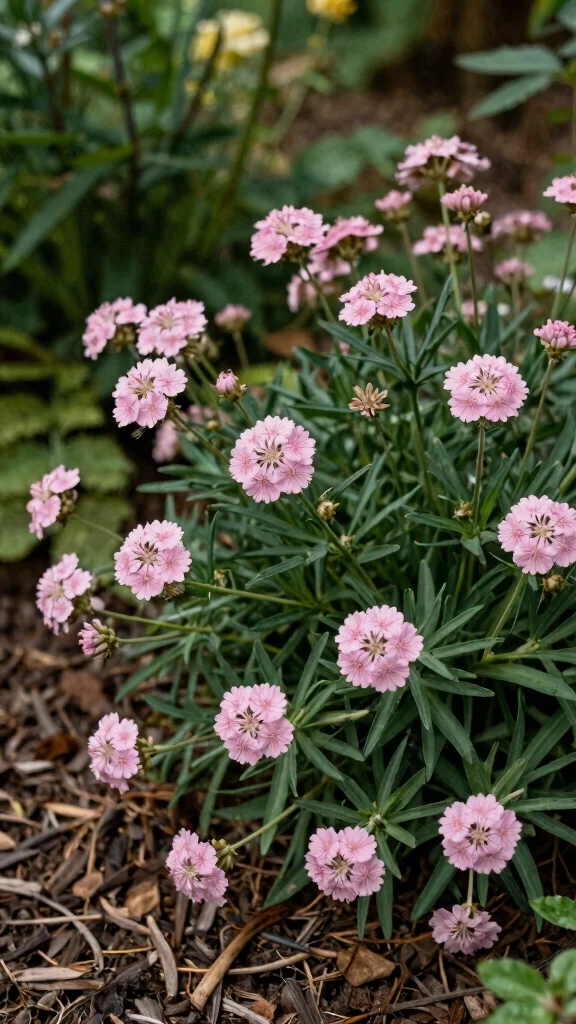
Sweet William is a nostalgic flower, known for its classic blooms and soft pastel pink shades. These charming flowers bloom from late spring to early summer, fitting beautifully into cottage gardens and romantic woodland spaces.
They thrive in partially shaded areas, bringing cheerful energy to your garden while attracting butterflies and bees. Their unique flower clusters deliver vibrant color and texture, making them delightful companions for roses or lavender.
Care for Sweet William:
– Ensure well-drained soil to prevent root rot.
– Deadhead spent blooms for continuous flowering.
– Water regularly during dry spells.
Pairing suggestions:
– Combine with purple or yellow flowers for an eye-catching mix.
– Use alongside other pastels to maintain a soft garden aesthetic.
Enjoy the cheerful charm of Sweet William as they bloom from May to June, inviting warmth and beauty into your woodland garden.
Sweet William: Nostalgic Blooms
Editor’s Choice
COOLJOB 6 Pairs Gardening Gloves for Women Ladies, Breathable Rubber Coa…
Grenebo Gardening Tools 9-Piece Heavy Duty Garden Hand Tools with Fashio…
KVR Upgraded Garden Kneeler and Seat with Thicken & Widen Soft Kneeling …
Conclusion: Cultivating Your Romantic Garden

Creating a soft and romantic woodland garden filled with light pink flowers can transform any outdoor space into a serene retreat. Each of these nine flowers brings something special, whether it’s the lushness of peonies or the delicate beauty of hellebores. By thoughtfully planning your plant combinations, you can achieve a captivating aesthetic that blooms throughout the seasons.
Remember to consider the blooming seasons and care requirements of each flower, ensuring they thrive in your garden. Feel free to mix and match with complementary colors for maximum impact!
Now, it’s time to get your hands in the soil and start cultivating your dreamy garden filled with love and beauty.
Note: We aim to provide accurate product links, but some may occasionally expire or become unavailable. If this happens, please search directly on Amazon for the product or a suitable alternative.
This post contains Amazon affiliate links, meaning we may earn a small commission if you purchase through our links, at no extra cost to you.
Frequently Asked Questions
What are the best shade-tolerant light pink flowers for a woodland garden?
Here are some excellent shade-tolerant, light pink flowers perfect for a woodland garden:
Astilbe (pink varieties) for airy plumes in dappled shade.
Hellebore (pink blossoms) that bloom in early spring under trees.
Bleeding Heart, also called Dicentra spectabilis, with delicate pink heart-shaped flowers that brighten shaded corners.
Pink Japanese Anemone (Anemone x hybrida) that start late summer and glow in partial shade.
Pulmonaria (Lungwort) with soft pink flower clusters in early spring.
How can I pair light pink flowers with other plants to create a romantic, soft garden aesthetic in shade?
To create a romantic look in a shaded bed, pair your light pink flowers with cool greens and silvery foliage for contrast.
Try combinations like pale pink astilbe with white hostas or ferns, or light pink hellebore with variegated pulmonaria.
Build layers: tall astilbes at back, mid-height hellebores, low groundcovers like creeping thyme or moss.
For pink flower combinations that feel cohesive, stick to a soft palette: blush pinks, whites, sage greens. Repeat a few stems across the bed to establish garden color themes with continuity. Consider bloom times so you never have a blank spot; aim for blooming season for pink flowers to overlap between varieties.
When do these light pink flowers typically bloom in a shady woodland garden?
In a woodland shade, bloom times shift a bit later than in full sun, but you can expect:
Hellebores bloom in late winter to early spring; typically February to April.
Pulmonaria tends to bloom in early spring, around March to April, with pink flowers.
Bleeding Heart often flowers in mid to late spring, roughly April to June.
Astilbe usually blooms in late spring to midsummer, depending on cultivar, from May to July.
Pink Japanese Anemone starts in late summer and continues into fall.
What are practical care tips to keep shade-loving light pink flowers healthy in woodland gardens?
To keep your light pink flowers thriving in woodland shade, start with rich, well-drained, humus-rich soil and keep it evenly moist. Mulch with compost or leaf mold to lock in moisture and suppress weeds. Water deeply at the base rather than with light, frequent sprays to encourage deep roots. Avoid overhead watering to reduce powdery mildew in damp shade. Feed in spring with a balanced fertilizer or compost tea to support new growth. Deadhead perennials like Dicentra where needed to encourage more bloom, and divide crowded clumps every 3–4 years to maintain vigor. Finally, provide good fit with your garden’s microclimate by pruning overhanging branches to ensure a gentle morning sun and no scorching afternoon light.
What is a simple 5-step plan to design a soft, romantic woodland garden using light pink flowers?
Step 1: Define your garden color themes with pink as the anchor and complement with greens and whites.
Step 2: Pick 3–5 shade-tolerant romantic flower varieties that bloom at different times for year-round interest.
Step 3: Plant in layers: tall back with Astilbe, mid-layer with Hellebore and Dicentra, groundcover like Pulmonaria.
Step 4: Create cohesion by repeating key bloom times so you always have blooming season for pink flowers across the bed.
Step 5: Maintain with regular mulching, consistent watering, and periodic division and deadheading to keep the bed healthy and inviting.
Related Topics
light pink flowers
romantic garden
woodland gardens
soft aesthetics
pink flower combinations
shade-tolerant plants
seasonal blooms
beginner gardening
garden color themes
easy flower care
floral design
garden inspiration