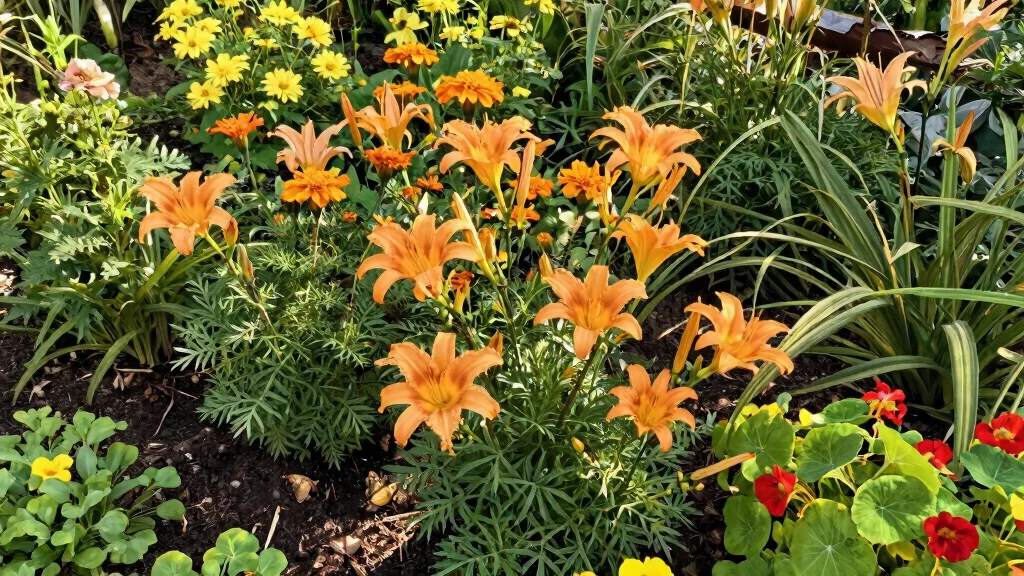
As the sun shines brighter and the days grow longer, the garden beckons you to add some warmth and cheer. This time of year always reminds me of blooming flowers that light up the landscape. If you’re a gardening enthusiast or just someone looking to bring a splash of color to your outdoor space, you might be craving those delightful hues that only light orange flowers can provide.
In this post, I’ve gathered a list of nine stunning light orange flowers that are perfect for your garden. Whether you’re focused on attracting pollinators or simply want to create a warm, inviting atmosphere, these flower varieties will surely captivate you. Each selection is not only visually appealing but also contributes to a healthy ecosystem, making it ideal for anyone eager to support local wildlife. You’ll discover that these flowers are not only beautiful but also resilient, allowing you to enjoy their charm throughout the seasons.
Get ready to explore various options that include elegant daylilies, cheerful calendulas, and more. I’m excited to share these garden flower ideas that will help you create vibrant flower arrangements and enhance your outdoor sanctuary. Let’s dive into this colorful world and find the perfect light orange flower for your space!
Key Takeaways
– Light orange flowers bring warmth and cheer to any garden, making them ideal for seasonal gardening.
– These flowers attract pollinators, aiding in the health of your garden ecosystem.
– Each flower on the list is known for its resilience, ensuring they bloom beautifully throughout the growing season.
– Incorporating these orange flower varieties can create stunning flower arrangements that add vibrancy to your outdoor space.
– With practical tips on planting and care, you’ll have all you need to successfully grow these lovely blooms.
1. Marigolds: The Gardener’s Favorite

Looking for a cheerful addition to your garden? Marigolds are a vibrant choice that shines in light orange shades. Known for their toughness, these flowers flourish in various conditions, making them ideal for novice gardeners and experienced green thumbs alike. With their delightful aroma, marigolds not only add color but also keep pesky insects at bay.
To make the most of your marigolds, plant them among your veggies for natural pest control. These blooms last from spring until frost, ensuring your garden stays lively all season long. Mix different varieties like French and African marigolds for an eye-catching display in borders or containers.
Essential tips for growing marigolds:
– Choose a sunny spot with well-drained soil.
– Deadhead regularly to promote more blooms.
– Water consistently during dry spells.
With their sunny hue and practical benefits, marigolds are a must-have for any garden enthusiast.
Marigolds are tough light orange flowers that thrive in sun and heat, making garden happiness easy for busy planters. Plant them among veggies to deter pests naturally and invite pollinators—plus, their cheerful scent brightens every corner. A small splash of color goes a long way.
Marigolds: The Gardener’s Favorite
Editor’s Choice

Bonide Captain Jack’s Neem Oil, 32 oz Ready-to-Use Spray, Multi-Purpose …


Sow Right Seeds – Crackerjack Marigold Seeds for Planting Outdoors – Hig…

Miracle-Gro 1-Pound 1360011 Water Soluble Bloom Booster Flower Food, 10-…
2. Daylilies: A Versatile Delight

Want to add a splash of light orange to your landscape? Look no further than daylilies. These perennial favorites bloom in multiple shades, featuring ruffled edges that bring elegance to any garden. Though each flower lasts just a day, a single plant produces numerous buds, extending the blooming period all summer long.
Daylilies thrive in various soil types and require little maintenance, making them perfect for busy gardeners. Plant them in sunny or partially shaded spots to create colorful clusters or fill gaps.
Helpful care tips for daylilies:
– Keep them well-watered during dry spells.
– Fertilize in early spring for healthy growth.
– Remove spent flower stalks to maintain tidiness.
With their striking blooms and ability to attract pollinators, daylilies will enhance the beauty of your warm color garden.
Daylilies: A Versatile Delight
Editor’s Choice

COOLJOB 2 Pairs Gardening Gloves for Women Ladies, Breathable Rubber Coa…

Grenebo Gardening Tools 9-Piece Heavy Duty Garden Hand Tools with Fashio…

FLINTER Garden Kneeler and Seat, 10.2″ Wider Heavy Duty Thick Gardening …
3. Zinnia: Bold and Bright

Looking to brighten up your garden with vibrant light orange flowers? Zinnias are a top choice, loved for their rich colors and ease of care. Flourishing in full sun, you can plant them directly in the ground after the last frost, letting their bold colors shine all summer. Plus, zinnias attract butterflies, adding extra life to your space.
For a stunning visual impact, plant zinnias in clusters or along borders. They also make beautiful cut flowers, allowing you to enjoy your garden indoors.
Key care guidelines for zinnias:
– Water regularly, especially during hot weather.
– Trim dead flowers to encourage new growth.
– Space plants apart for better air circulation.
Adding zinnias will undoubtedly infuse your garden with vibrant color and joy for you and visiting pollinators.
📹 Related Video: How to Grow Zinnia from Seed to Flowers in Containers – Step by Step
Zinnia: Bold and Bright
Editor’s Choice

Miracle-Gro Organic Outdoor Potting Mix – Plant Soil for Outdoor Contain…

HOME GROWN Zinnia Dahlia Seeds Pack for 2026 Non GMO 524 Flower Seeds | …

Espoma Organic Flower-Tone 3-4-5 Natural & Organic Plant Food; 4 lb. Bag…
4. Nasturtiums: Edible Elegance

If you want light orange flowers that are both beautiful and practical, nasturtiums are your go-to. These vibrant blooms not only look stunning but are also edible, adding a peppery zing to salads and dishes. They thrive in poor soil, making them resilient and easy to grow.
Nasturtiums can trail gracefully, making them perfect for hanging baskets or draping over walls. Their light orange flowers contrast beautifully with dark green leaves, creating a lively atmosphere.
Growing tips for nasturtiums:
– Sow seeds directly in the ground after the last frost.
– They thrive in full sun to partial shade.
– Water sparingly, as they prefer slightly dry conditions.
Nasturtiums will not only brighten your garden but also offer culinary delights for your kitchen!
Nasturtiums: Edible Elegance
Editor’s Choice

Seed Needs Edible Wildflower Seed Packet Collection (7 Varieties of Flow…
String of Pearls Live Succulent Plant (4-inch), Fully Rooted Trailing Ho…
5. California Poppies: California Dreaming

Looking for a cheerful addition to your garden? California poppies are the epitome of light orange beauty. Resilient and drought-tolerant, these flowers thrive in various conditions, making them perfect for hot climates. Their large, cup-shaped blooms open in sunlight and close at night, creating a dynamic display.
Cluster California poppies for a stunning sea of orange that draws in pollinators like bees and butterflies. They add vibrancy and life to your garden while requiring minimal upkeep.
Planting suggestions for California poppies:
– Sow seeds directly in well-drained soil.
– They prefer full sun but tolerate light shade.
– Avoid overwatering to prevent root rot.
Integrating California poppies will bring warmth and charm that reflects the sunny beauty of their namesake state.
California Poppies: California Dreaming
Editor’s Choice

Down To Earth All Natural Fertilizers Organic Vegetable Garden – Plant F…

Wildflower Seeds Bulk, 2 Oz. 80,000+ Seeds – Save the Bees Mix with 19…
Drought Tolerant Wildflowers Mix – Extra Large Packet – Over 7,500 O…
6. Peach Coneflower: A Unique Addition

Discover the unique charm of peach coneflowers, a lesser-known light orange gem. Their distinct shape and warm color make them stand out in any garden while attracting bees and butterflies. Hardy and low-maintenance, these perennials thrive in well-drained soil and full sun.
With their large, daisy-like petals surrounding a central cone, peach coneflowers add interesting texture to your flower beds. Plant them in groups for maximum visual impact, and pair them with other pollinator-friendly plants for a thriving garden community.
Care tips for peach coneflowers:
– Water regularly during dry spells, avoiding waterlogging.
– Deadhead to encourage reblooming.
– Fertilize once in spring for optimal growth.
Incorporating peach coneflowers enhances your garden’s beauty and supports local wildlife.
Peach Coneflower: A Unique Addition
Editor’s Choice

Miracle-Gro Potting Mix – For Container Plants, Flowers, Vegetables, Shr…
1200+ Mixed Color Echinacea Seeds – Perennial Multi-Color Coneflower, No…

Miracle-Gro Water Soluble All Purpose Plant Food – Fertilizer For All In…
7. Butterfly Weed: A Pollinator’s Paradise
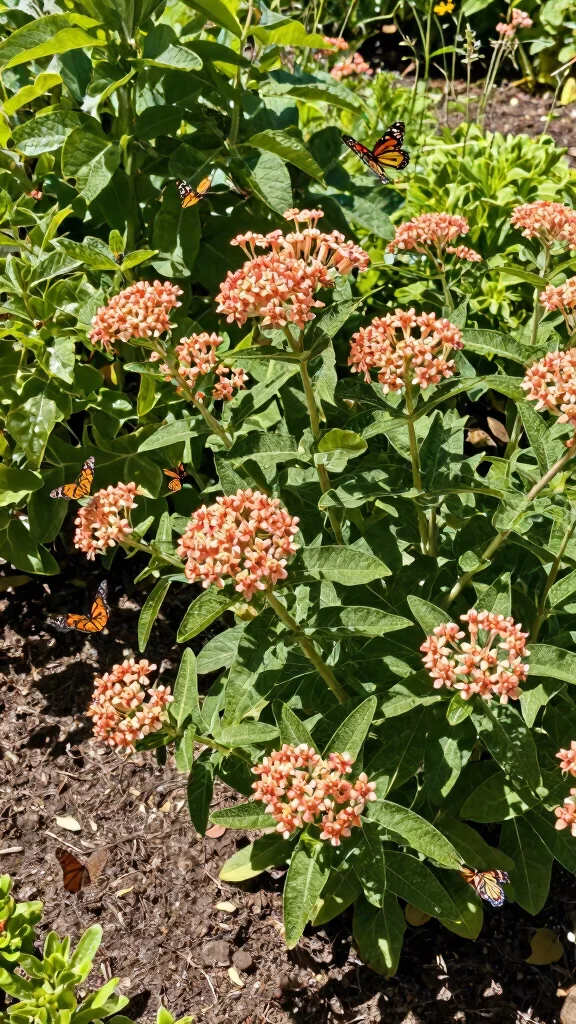
To create a vibrant pollinator garden, butterfly weed is a top choice. Its bright light orange flowers attract butterflies and beneficial insects, making your garden a wildlife haven. This perennial is drought-tolerant and thrives in sunny locations, offering a low-maintenance option.
Not only are the long-lasting blooms beautiful, but they also provide vital nectar for pollinators. Plant butterfly weed in groups to maximize its impact and enhance biodiversity in your garden.
Growing insights for butterfly weed:
– Ensure good drainage in the planting area.
– Water sparingly once established.
– Cut back in the fall to encourage new growth in spring.
Adding butterfly weed creates a welcoming environment for pollinators while enhancing your garden’s beauty.
❝ Fun fact: A clump of butterfly weed can attract 30–50 pollinators in bloom, boosting biodiversity for light orange flowers in your garden. Plant in sunny groups for continuous nectar, and enjoy drought-tolerant, long-lasting blooms that support butterflies and beneficial insects all season. ❞
Butterfly Weed: A Pollinator’s Paradise
Editor’s Choice

Native Milkweed Variety Pack – 5 Essential Species for Monarch Butterfly…
8. Orange Lilies: A Touch of Elegance

Brighten your garden with the classic beauty of light orange lilies. These trumpet-shaped flowers exude elegance and charm, perfect for borders and as focal points. Blooming mid-summer, they create a stunning contrast against deep green foliage while filling the air with their delightful fragrance.
When planting, ensure ample sunlight and space for their natural growth. Lilies also shine in mixed flower arrangements, adding height and drama to bouquets.
Care recommendations for orange lilies:
– Plant in well-draining soil with some compost.
– Water regularly, especially during dry periods.
– Mulch around the base to retain moisture.
Incorporating orange lilies adds sophistication while enhancing your garden’s appeal to pollinators.
Fun fact: A cluster of 3–5 light orange lilies creates a bold focal point that attracts more pollinators throughout midsummer. These trumpet-shaped blooms fill the air with fragrance and warmth, turning borders into elegant, fragrant accents.
Orange Lilies: A Touch of Elegance
Editor’s Choice

Surfside Orange Lily Bulbs for Planting – Bright Orange Asiatic Lily F…

Miracle-Gro Shake ‘N Feed All Purpose Plant Food – Outdoor and Indoor Pl…

Soil Sunrise Peace Lily Potting Soil Mix (8 Quarts) for Planting, Growin…
9. Calendula: Cheerful and Resilient

Bring joy to your garden with calendulas, also known as pot marigolds. Their light orange blooms add cheer and resilience, thriving even in cooler temperatures. With abundant flowers throughout the growing season, they keep your garden colorful and lively.
Calendula petals are edible, perfect for salads or as natural dyes, making them both beautiful and functional. Plant them in well-drained soil and ensure they get plenty of sun for optimal growth.
Care tips for calendulas:
– Water regularly but avoid soggy soil.
– Deadhead blooms to encourage new growth.
– Fertilize with a balanced mix in early spring.
Adding calendula creates a vibrant and productive garden space, supporting both beauty and biodiversity.
Top Varieties for Different Conditions
1. Marigolds
– Best conditions: Thrives in full sun and well-drained soil, making them ideal for warm climates.
– Key features: Marigolds are easy to grow and produce vibrant orange flowers that bloom from spring to frost. They also repel pests, making them great companions for other plants.
– Considerations: They prefer drier conditions and should not be overwatered, as this can lead to root rot.
2. Daylilies
– Best conditions: Adaptable to various climates; they flourish in temperate regions with sun or partial shade.
– Key features: These hardy perennials have a long blooming period and come in many shades, including light orange. They are drought-resistant once established.
– Considerations: Daylilies may require some division every few years to maintain their vigor.
3. Zinnia
– Best conditions: Zinnias love sunny spots and well-drained soil, thriving in hot, dry conditions.
– Key features: They bloom all summer and attract butterflies and bees. Their bright orange petals add a cheerful touch to any garden.
– Considerations: Zinnias are sensitive to frost, so wait until the last frost passes before planting.
4. Nasturtiums
– Best conditions: Prefers cooler temperatures and well-drained soil; grows well in both gardens and containers.
– Key features: Not only do nasturtiums offer beautiful orange flowers, but their leaves and petals are also edible, adding a peppery flavor to salads.
– Considerations: They can attract aphids, so keep an eye out and manage pests accordingly.
5. California Poppies
– Best conditions: Thrives in hotter climates and well-drained, sandy soil; perfect for drought-tolerant gardens.
– Key features: These flowers bloom in vibrant shades of orange and are the state flower of California. They can reseed themselves, creating a colorful display year after year.
– Considerations: They are sensitive to overwatering, so ensure the soil dries out between waterings.
6. Peach Coneflower
– Best conditions: Ideal for full sun and adaptable to various soil types, including clay.
– Key features: This unique flower adds a soft orange hue and attracts pollinators like bees and butterflies. It has a long blooming season from summer into fall.
– Considerations: They may need staking in windy areas due to their height.
7. Butterfly Weed
– Best conditions: Prefers sunny spots and well-drained soil, thriving in hot and dry climates.
– Key features: This native plant features bright orange flowers that attract butterflies and other pollinators. It’s a vital addition to any pollinator garden.
– Considerations: Butterfly weed can be slow to establish, requiring patience in the first year.
Climate/Condition Guide:
– For temperate regions, choose Marigolds and Daylilies for their adaptability and vibrant blooms.
– In hot or dry climates, Zinnias and California Poppies are excellent options due to their drought resistance.
– For coastal gardens, consider Nasturtiums, which handle cooler breezes well.
– If you’re in a humid environment, Peach Coneflowers and Butterfly Weed can perform well with proper care.
Growing Tips:
– Ensure your soil is well-draining to avoid common issues like root rot. Consider raised beds if drainage is a challenge.
– Water early in the day to reduce evaporation and fungal diseases, especially in warmer climates.
– Regularly deadhead spent flowers to encourage further blooming throughout the season.
Avoid:
– Don’t overwater your plants, especially those like California Poppies that prefer drier conditions.
– Avoid planting flowers that may not thrive in your specific climate, such as tropical plants in cooler regions.
Calendula: Cheerful and Resilient
Editor’s Choice
Miracle-Gro Potting Mix – For Container Plants, Flowers, Vegetables, Shr…
Miracle-Gro Shake ‘N Feed All Purpose Plant Food – Outdoor and Indoor Pl…

Seed Needs Calendula Seeds Pacific Beauty Mix | 5,000+ Seeds Calendula O…
Conclusion

Incorporating light orange flowers into your garden not only enhances its visual appeal but also provides essential benefits for pollinators. From marigolds to calendulas, these vibrant blooms create a warm and inviting atmosphere that attracts butterflies and bees, helping to support our ecosystem. As you plan your garden, consider mixing different flower varieties to create a dynamic and colorful display. Each bloom brings its unique charm and resilience, ensuring your garden flourishes through every season.
Embrace the beauty and benefits of these light orange flowers, and enjoy a garden that is not only stunning but alive with activity.
Note: We aim to provide accurate product links, but some may occasionally expire or become unavailable. If this happens, please search directly on Amazon for the product or a suitable alternative.
This post contains Amazon affiliate links, meaning we may earn a small commission if you purchase through our links, at no extra cost to you.
Frequently Asked Questions
What are some top perennial light orange flowers that work well in pollinator gardens?
Here are reliable perennial options with light orange blooms that attract bees and butterflies: Hemerocallis (daylilies) with apricot tones, Gaillardia (blanket flower) in warm orange shades, Echinacea purpurea cultivars with coral-orange petals, Rudbeckia fulgida ‘Goldsturm’ for sunny borders, and Heliopsis helianthoides (false sunflower) with soft orange-yellow blooms. These orange flower varieties provide light orange flowers that pollinators love. Plant in groups of 3–5 for impact in full sun with well-drained soil; water deeply at planting and during dry spells, and mulch to conserve moisture. Deadhead to extend bloom, and pair with complementary foliage to expand your garden flower ideas for seasonal gardening tips.
How should I plant and care for light orange flowers to ensure year-long blooms?
Start with full sun (6+ hours) and well-drained, fertile soil. Amend the bed with compost, space plants according to their mature width, and water deeply during dry periods. Mulch to conserve moisture and regulate soil temperature. Fertilize lightly in spring with a balanced mix, and avoid heavy nitrogen that promotes foliage over blooms. Regular deadheading or pruning after the main bloom helps encourage continued flowering. For persistent color, group several plants together and divide every 3–4 years to maintain vigor. These steps align with practical seasonal gardening tips and help your light orange flowers thrive year after year.
Which light orange flower varieties are most attractive to bees and butterflies?
Most light orange garden flowers are pollinator-friendly when grown in sun with minimal pesticide use. Look for perennials such as daylilies, blanket flowers, coneflowers, rudbeckias, and false sunflowers in soft orange tones, all of which provide nectar across their bloom periods. Plant in sunny pockets to create inviting pollinator habitats in your garden, and ensure nectar sources are continuous by selecting overlapping bloom times. Pair these with a reliable water source and avoid broad-spectrum pesticides to maximize visits from bees and butterflies.
What are some garden flower ideas to create a warm color palette using light orange blooms?
Design around warm, cohesive color blocks: use drifts of 3–5 plants to create a strong focal splash of warmth. Pair light orange blooms with creamy whites and soft peach tones, and add dark-green or blue foliage for contrast to highlight the warm color flowers. Plant in layered heights—tall back (false sunflowers or daylilies), mid-height, and front-low textures (grasses or groundcovers)—for depth. Ensure overlapping bloom times for a continuous display, a classic garden flower ideas approach for seasonal gardening tips.
What seasonal gardening tips help light orange flowers thrive across seasons?
Spring: prepare soil, add compost, and set new plants in place; apply a light mulch. Summer: water deeply in the morning, mulch to keep roots cool, and deadhead to encourage continued blooms. Fall: remove spent stems, divide crowded clumps if needed, and add a final mulch layer to protect crowns. Winter: in colder zones, protect crowns with a thicker mulch or leave some winter-interest foliage; in milder climates, you can still enjoy color with evergreen companions. Following these steps supports vibrant light orange flowers and keeps your border lively through the seasons, a practical seasonal gardening tips checklist.
Related Topics
light orange flowers
pollinator gardens
perennial flowers
warm color flowers
orange flower varieties
seasonal gardening
vibrant arrangements
easy gardening tips
flower gardening
beginner friendly
garden design
colorful blooms