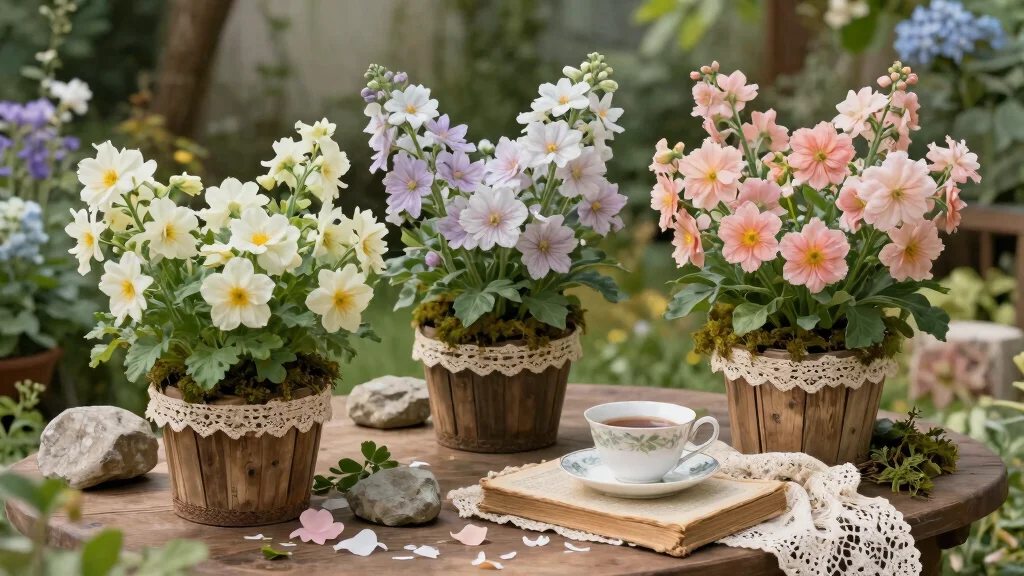
As the world outside begins to bloom, many of us find ourselves yearning for the beauty and peace of nature. The light academia aesthetic has taken hold, drawing people into a culture of knowledge, creativity, and introspection. If you’ve been craving a slice of that dreamy, romantic atmosphere, you’re not alone. With its focus on vintage charm, soft colors, and an appreciation for nature, light academia pairs beautifully with the cottagecore movement. It invites you to create spaces filled with whimsy and wonder, all while cultivating a serene and enchanting garden.
This post is for anyone who loves gardening, whether you’re a seasoned green thumb or a curious beginner. If you adore creating floral arrangements that capture the essence of a cozy cottage, you’ll find inspiration here. Together, we’ll explore eight delightful light academia flowers that not only enhance your garden’s aesthetic but also contribute to your cottagecore dreams. Each flower embodies a touch of romance and a dash of whimsy, making them perfect additions for those looking to create a charming and inviting space.
You’ll discover practical tips for incorporating these flowers into your garden, along with ideas for vintage decor and arrangements that reflect your unique style. Let’s dive into these enchanting blooms that promise to bring a burst of joy and a sense of tranquility to your outdoor oasis.
Key Takeaways
– Explore eight enchanting light academia flowers that add charm and romance to your garden, perfect for a cottagecore aesthetic.
– Each flower offers unique characteristics, making them ideal for whimsical and vintage floral arrangements.
– Discover practical gardening tips for integrating these blooms into your garden design.
– Learn how these flowers can elevate your outdoor space while contributing to the overall light academia vibe.
– Get creative ideas for using these flowers in decor, from simple arrangements to charming cottage-style accents.
1. Charming Chamomile

Are you looking to add a touch of magic to your garden? Chamomile is the perfect solution with its charming daisy-like flowers that evoke a sense of whimsy. Not only do these lovely blooms brighten your space with their soft white and yellow tones, but they also offer calming benefits when steeped into tea. Plus, they’re a breeze to grow and maintain, making them an ideal choice for any garden enthusiast.
Plant chamomile along garden pathways to create a delightful welcome for guests, as their sweet fragrance fills the air. For a romantic touch, gather them in mason jars tied with twine for a vintage-inspired centerpiece.
Ingredients:
– Chamomile seeds
– Well-drained soil
– Full sunlight
– Water as needed
Instructions:
1. Sow chamomile seeds in well-drained soil in a sunny area.
2. Water regularly to keep the soil moist but not soggy.
3. Deadhead flowers to encourage new blooms throughout the season.
4. Harvest flowers once they bloom for tea or decor.
FAQs:
– Can I grow chamomile indoors? Yes, it can thrive in pots with sufficient sunlight.
– Can I use it for tea? Absolutely! Just steep the flowers in hot water for a soothing drink.
Fun fact: Chamomile boosts charm in any light academia flowers setting—its daisy-like blooms light up paths and invite calm. Plant chamomile along walkways, water weekly, and harvest buds for tea to cultivate those cozy, productive vibes.
Charming Chamomile
Editor’s Choice

KVR Upgraded Garden Kneeler and Seat with Thicken & Widen Soft Kneeling …


Sow Right Seeds – Showy Evening Primrose Flower Seeds for Planting – Non…

COOLJOB 6 Pairs Gardening Gloves for Women Ladies, Breathable Rubber Coa…
2. Vibrant Nasturtiums

Do you want to add a splash of color to your garden? Nasturtiums are the answer with their vibrant blooms in shades of orange, red, and yellow. These flowers are not just visually striking; they’re entirely edible and add a delightful peppery flavor to salads and sandwiches. They’re simple to grow, making them a fantastic choice for gardeners of all experience levels.
These lively flowers can climb trellises or cascade beautifully from window boxes, creating an enchanting display. Pair their bold colors with softer shades for a balanced and romantic garden look.
Ingredients:
– Nasturtium seeds
– Well-drained soil
– Plenty of sunlight
Instructions:
1. Plant seeds in well-drained soil and ensure they receive full sunlight.
2. Water regularly but avoid over-fertilizing for best blooms.
3. Prune spent flowers to encourage continuous blooming.
FAQs:
– Can I grow nasturtiums in containers? Yes, they thrive in pots with adequate drainage.
– Can I use them in salads? Definitely! Their peppery flavor enhances many dishes.
Nasturtiums are a quick win for light academia flowers—bright, edible blooms you can eat. Let them climb trellises or cascade from window boxes to create a vibrant cottagecore display, and add peppery color to salads and sandwiches.
📹 Related Video: Nasturtiums: The Plant You’re Not Growing (But Should Be)
Vibrant Nasturtiums
Editor’s Choice

200,000+ Wildflower Seeds Bulk (4oz) – 16 Varieties Perennial & Annual…

Grenebo Gardening Tools 9-Piece Heavy Duty Garden Hand Tools with Fashio…
COOLJOB 2 Pairs Gardening Gloves for Women Ladies, Breathable Rubber Coa…
3. Elegantly Edible Lavender

Searching for a flower that enchants the senses? Lavender is a stunning choice, not only for its captivating purple hue but also for its soothing fragrance. This herb is perfect for creating beautiful arrangements and is known for its calming properties. You can use lavender in teas, desserts, or to craft delightful homemade sachets.
In your garden, position lavender where it can soak up the sun, and ensure it has well-drained soil for optimal growth. Combine it with other herbs like rosemary for a charming aesthetic.
Ingredients:
– Lavender seeds
– Well-drained soil
– Full sun exposure
Instructions:
1. Sow seeds in well-drained soil in a sunny location.
2. Water sparingly but regularly to maintain moisture.
3. Harvest flowers for potpourri or culinary use.
FAQs:
– Can I dry lavender for sachets? Yes, it’s perfect for that!
– Can I use it in baking? Absolutely! Incorporate it into cakes or cookies for a unique flavor.
Top Varieties for Different Conditions
1. Charming Chamomile
– Best conditions: Grows well in temperate climates with full sun.
– Key features: This sweet-smelling flower is not only beautiful but also edible. Its delicate white petals can add a whimsical touch to your cottagecore garden and make delightful herbal teas.
– Considerations: Chamomile prefers well-drained soil and can struggle in overly wet conditions, so ensure proper drainage.
2. Vibrant Nasturtiums
– Best conditions: Thrives in sunny spots and poor soil; perfect for hot summer days.
– Key features: Nasturtiums are known for their bright colors and peppery taste. They attract beneficial insects, making them great companions in your light academia garden.
– Considerations: These flowers can spread quickly, so be prepared to contain them if needed.
3. Elegantly Edible Lavender
– Best conditions: Prefers dry, well-drained soil and full sunlight, ideal for hot/dry climates.
– Key features: Lavender is not just fragrant; it also adds a vintage charm to your garden. You can use its blossoms in culinary dishes and for making soothing sachets.
– Considerations: Lavender can be sensitive to humidity, so avoid watering too frequently.
4. Sweet and Delicate Violas
– Best conditions: Grows best in cooler, temperate zones with partial shade.
– Key features: Violas are charming little flowers that bloom in various colors. They are perfect for floral arrangements and give a romantic vibe to your garden.
– Considerations: While they are fairly hardy, they can be prone to wilting in extreme heat.
5. Whimsical Pansies
– Best conditions: Enjoys cooler weather; does well in spring and fall in most climates.
– Key features: Pansies are famous for their large, vibrant faces. They create a stunning display and can also be used in salads, making them both decorative and edible.
– Considerations: Pansies may require protection from harsh winter conditions if you live in colder regions.
6. Lovely Borage Blooms
– Best conditions: Thrives in sunny spots with well-drained soil; best for moderate climates.
– Key features: With their star-shaped blue flowers, borage adds a unique touch to any garden. The leaves and flowers are edible, and they can be used in drinks or salads.
– Considerations: Borage can become invasive, so give it room to grow and monitor its spread.
7. Enchanting Marigolds
– Best conditions: Prefers full sun and well-drained soil; adaptable to various climates.
– Key features: Marigolds are bright and cheerful, often deterring pests while attracting pollinators. These flowers are perfect for a romantic cottagecore look.
– Considerations: While they are hardy, marigolds may need regular deadheading to encourage more blooms.
8. Dainty Sweet Peas
– Best conditions: Prefer cooler climates with ample sun; ideal for trellises or containers.
– Key features: Sweet peas are known for their lovely fragrance and romantic appearance. They are perfect for creating beautiful floral arrangements.
– Considerations: These flowers require support to climb and can struggle in heat.
Growing Tips:
1. Always choose the right location based on your flowers’ sunlight and soil needs. Conduct a soil test if unsure about your garden’s pH levels.
2. Regularly deadhead spent flowers to encourage new growth and maintain a tidy appearance in your garden.
3. Use organic mulch around your plants to retain moisture and suppress weeds.
Avoid:
1. Avoid overwatering your plants, as many light academia flowers prefer well-drained soil.
2. Don’t plant flowers that are too similar in height together, creating a more visually appealing garden with varied heights.
Elegantly Edible Lavender
Editor’s Choice

Harmoleaf Tea Gift Set for Women – 6 Herbal Loose Leaf Tea Blends, Insul…
COOLJOB 2 Pairs Gardening Gloves for Women Ladies, Breathable Rubber Coa…

MYARO 12 Pack Lavender Scented Sachets | Odor Eliminator & Air Freshener…
4. Sweet and Delicate Violas

Are you drawn to flowers that evoke nostalgia? Violas are a fantastic choice with their heart-shaped leaves and charming blooms in shades of purple and yellow. These petite flowers add a romantic touch to any garden and are entirely edible, making them perfect for garnishing cakes and salads. They thrive in cooler weather, making them ideal for spring and fall gardens.
Cluster them in small groups or use them to line pathways for a magical effect.
Ingredients:
– Viola seeds
– Moist, well-drained soil
– Light shade or full sun
Instructions:
1. Plant seeds in moist, well-drained soil.
2. Keep soil consistently moist but not overly wet.
3. Deadhead to promote new blooms throughout the growing season.
FAQs:
– Can I grow violas indoors? Yes, they can thrive in pots with the right care.
– Can I eat violas? Yes! They are edible and add beauty to dishes.
Sweet and Delicate Violas
Editor’s Choice
KVR Upgraded Garden Kneeler and Seat with Thicken & Widen Soft Kneeling …
COOLJOB 2 Pairs Gardening Gloves for Women Ladies, Breathable Rubber Coa…
Gardening Gifts for Women, Gardening Tools for Mom Grandma Wife, Garden …
5. Whimsical Pansies

Looking to brighten your garden with playful charm? Pansies are the perfect addition with their diverse colors and whimsical patterns. Known for resembling little faces, these flowers not only add beauty but are also edible, perfect for garnishing your favorite dishes or drinks. They thrive in cooler temperatures, ensuring they bloom longer, making them a garden favorite.
Plant them in beds, containers, or hanging baskets to instantly enhance your outdoor space.
Ingredients:
– Pansy seeds
– Well-drained soil
– Sunlight with some shade
Instructions:
1. Plant seeds in well-drained soil, ensuring they receive some sun.
2. Water regularly to keep the soil moist but not soggy.
3. Deadhead flowers to encourage new blooms throughout the season.
FAQs:
– Can I use pansies in my cooking? Yes! They are edible and can beautify dishes.
– Can I grow pansies in pots? Absolutely! They thrive in containers as well.
Whimsical Pansies
Editor’s Choice

LPOODDNU 3D Pink Press on Nails Almond – Medium French Tip Fake Nails wi…
KVR Upgraded Garden Kneeler and Seat with Thicken & Widen Soft Kneeling …
COOLJOB 2 Pairs Gardening Gloves for Women Ladies, Breathable Rubber Coa…
6. Lovely Borage Blooms

Do you want to introduce something unique to your garden? Borage is a fantastic choice with its star-shaped blue flowers that add an ethereal touch. Beyond their beauty, these blooms are edible, offering a mild cucumber-like flavor that works wonderfully in salads and cocktails. Borage is a hardy plant that thrives in full sun and can even grow in poorer soil conditions.
These flowers also attract beneficial insects, enhancing your garden’s ecosystem.
Ingredients:
– Borage seeds
– Full sun exposure
– Well-drained soil
Instructions:
1. Plant seeds in well-drained soil with plenty of sunlight.
2. Space plants adequately to allow for growth.
3. Cut back flowering stems to encourage bushier growth.
FAQs:
– Can I use borage in drinks? Yes! Freeze flowers in ice cubes for a fun twist.
– Can I grow borage in containers? Yes, it can flourish in pots too.
Lovely Borage Blooms
Editor’s Choice
COOLJOB 6 Pairs Gardening Gloves for Women Ladies, Breathable Rubber Coa…
KVR Upgraded Garden Kneeler and Seat with Thicken & Widen Soft Kneeling …
Grenebo Gardening Tools 9-Piece Heavy Duty Garden Hand Tools with Fashio…
7. Enchanting Marigolds

Are you looking for flowers that add vibrant energy to your garden? Marigolds are an excellent choice with their eye-catching orange and yellow hues. These cheerful blooms not only brighten your space but are also edible, adding a peppery kick to salads and teas. They thrive in various soil types and are easy to maintain, perfect for beginner gardeners.
Plant them in sunny spots to encourage flourishing blooms, and remember to deadhead for continuous flowering.
Ingredients:
– Marigold seeds
– Sunny garden spot
– Well-drained soil
Instructions:
1. Sow seeds in a sunny area with well-drained soil.
2. Water regularly to maintain soil moisture.
3. Deadhead spent blooms to promote more flowers.
FAQs:
– Can I use marigolds in floral arrangements? Yes! They add a vibrant pop of color.
– Can I dry marigold petals? Yes, they can be used in herbal teas.
Enchanting Marigolds
Editor’s Choice
KVR Upgraded Garden Kneeler and Seat with Thicken & Widen Soft Kneeling …
COOLJOB 2 Pairs Gardening Gloves for Women Ladies, Breathable Rubber Coa…
Grenebo Gardening Tools 9-Piece Heavy Duty Garden Hand Tools with Fashio…
8. Dainty Sweet Peas

Do you dream of a garden filled with romance? Sweet peas are the epitome of romantic flowers, featuring delicate climbing vines and an array of soft colors. Their sweet fragrance and stunning blooms make them perfect for cut arrangements or simply filling your garden with delightful scents. Plant sweet peas against a trellis or in containers for a stunning vertical display.
They thrive in cool weather, blooming beautifully in spring and early summer.
Ingredients:
– Sweet pea seeds
– Support for climbing varieties
– Moist, well-drained soil
Instructions:
1. Sow seeds against a trellis or in containers for climbing.
2. Water regularly to keep the soil moist but not soggy.
3. Pinch back growing tips to encourage bushier plants.
FAQs:
– Can I grow sweet peas in pots? Yes, they do well in containers with proper support.
– Can I cut sweet peas for arrangements? Yes! They make beautiful cut flowers.
“Sweet peas turn any porch into a study in soft color and scent—perfect for light academia flowers. Plant them against a trellis this spring; their vines climb with grace, and their fragrance turns garden moments into poetry.”
Dainty Sweet Peas
Editor’s Choice

WANCHI Gardening Gloves, Durable and Comfortable Women’s Long Garden Glo…

RUBFAC 7.8ft Garden Arch Trellis for Climbing Plants Outdoor, Metal Arch…

Blueweenly 1. 6l Christian Galvanized Metal Watering Can with Inspiratio…
Conclusion

Incorporating these light academia flowers into your garden can transform your outdoor space into a whimsical retreat full of romance and beauty. Each bloom brings its unique charm and utility, enriching both your aesthetic and culinary adventures. By blending these flowers into your cottagecore gardening, you can create enchanting arrangements that speak to your soul and inspire moments of tranquility.
So, roll up your sleeves, dig into your garden, and allow these blooms to flourish in your life. What are your favorite light academia flowers? Share your thoughts and experiences with these charming blossoms!
Note: We aim to provide accurate product links, but some may occasionally expire or become unavailable. If this happens, please search directly on Amazon for the product or a suitable alternative.
This post contains Amazon affiliate links, meaning we may earn a small commission if you purchase through our links, at no extra cost to you.
Frequently Asked Questions
What exactly are light academia flowers and which edible blooms fit a romantic cottagecore garden look?
Light academia flowers blend the soft scholarly vibe of a classic library with garden whimsy. They lean toward pale, vintage hues—creams, blush, and lavender—and pair beautifully with edible blooms for a romantic cottagecore garden. In this style, light academia flowers often appear alongside herbs and petals you can use in the kitchen to keep the aesthetic practical and edible.
Edible options that fit a romantic cottagecore garden palette include nasturtiums (peppery petals you can toss into salads), calendula (bright orange-gold petals with a sunny flavor), violas/pansies (delicate, sweet florets), borage (soft blue blooms with cucumber-like notes), and chamomile (fragrant petals great for tea). Plant them in sun to light shade in well-draining soil, and group them in clusters for a vintage feel that complements cottagecore gardening décor.
Tip: harvest a few blooms for cooking or tea, while leaving enough on the plant to keep color and fragrance through the season; this keeps your floral arrangements looking lush while staying productive for the kitchen.
Which edible flowers are best for achieving a light academia aesthetic in cottagecore gardening?
For a light academia aesthetic in cottagecore gardening, these edible flowers shine: nasturtium, calendula, viola/pansy, borage, and chamomile. They bring soft color, gentle scent, and edible petals you can use in salads, teas, and desserts.
How to grow them: give them full sun to partial shade, well-draining soil, and regular deadheading to extend bloom. Use raised beds or border edges for a cottagecore look. Plan color blocks of cream, blush, and pale yellow to emphasize the light academia aesthetic while keeping everything practical and edible for a whimsical floral arrangements.
How can I design whimsical floral arrangements using light academia flowers?
Designing whimsical floral arrangements with light academia flowers starts with a palette: creamy whites, dusty pinks, soft lilacs, and muted greens. Mix tall stems with delicate low-growing blooms, add a few leafy fillers, and choose vintage containers like chipped porcelain or mason jars to evoke vintage garden decor. For a cottagecore vibe, cluster flowers in odd-numbered groupings and let petals spill over the vase for a romantic effect.
Practical steps: cut stems in the morning, strip bottom leaves, recut stems at an angle, and arrange around a focal bloom like a tall nasturtium or a single viola cluster. Add edible greens like nasturtium leaves and microgreens to keep the bouquet feeling fresh and edible-friendly for a cottagecore gardening space.
Tip: rotate flowers weekly and display in multiple light sources to keep light academia flowers feeling luminous and inviting.
What practical tips help these edible blooms thrive in a cottagecore gardening setup?
To keep these blooms thriving in a light academia-tinged setting, start with good soil and drainage. Most edible flowers prefer sun to part shade and evenly moist soil; mulch to hold moisture and reduce weeds. Deadhead spent blooms to encourage continuous flowering and prevent energy drain. Feed with a balanced organic fertilizer in spring and again mid-season. Watch for common pests like aphids and use gentle, plant-safe controls.
Group the care around your aesthetic: water in the morning to prevent leaf burn, place taller crops at the back, and keep a few pots of herbs nearby for a kitchen-friendly harvest. By treating light academia flowers as both ornament and edible option, you’ll sustain a romantic, long-lasting cottagecore gardening vibe without sacrificing practicality.
How can I incorporate light academia aesthetic and vintage garden decor into a small garden or balcony?
Even in a small outdoor space, you can infuse light academia aesthetic and vintage garden decor into your garden or balcony. Use containers and vertical planters to maximize sun, then mix edible blooms with herbs so every corner is productive. Choose weathered pots, lace-edged trugs, and antique watering cans to reinforce the vintage garden decor vibe. Plant low-growing cottagecore gardening staples like violas and calendula in window boxes, and use their petals to garnish simple meals or drinks, bringing romantic flowers to everyday life.
Pro tips: group plants into cohesive color stories, add a small trellis for climbing nasturtiums, and hang dried flower garlands between shelves or railings to create a cozy, layered floral arrangements look that stays true to the light academia aesthetic.
Related Topics
light academia flowers
cottagecore gardening
romantic flowers
vintage garden decor
whimsical blooms
floral arrangements
easy gardening
seasonal flowers
edible flowers
garden aesthetics
DIY floral decor
beginner friendly