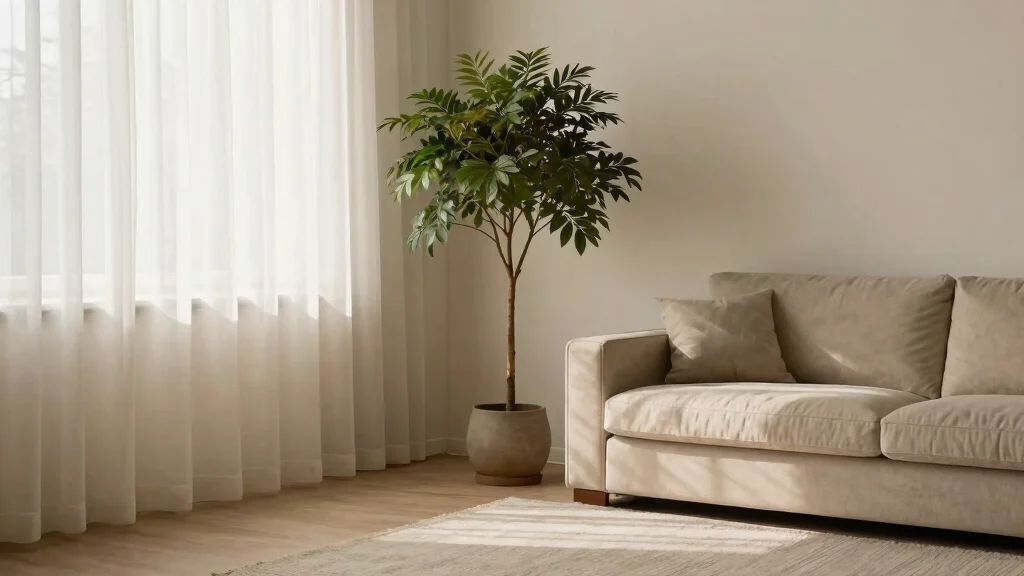
Indoor plants can transform your space, but many of us face the challenge of low light conditions. If you’re anything like me, you’ve probably daydreamed about lush greenery filling your home, only to realize that your living room feels more like a cave than a garden. That’s why I created this guide on indoor trees that grow beautifully in low light. I want to help you discover the charm of low-maintenance trees that can thrive even in those darker corners of your home.
This post is perfect for anyone who longs to bring a bit of nature indoors but struggles with limited sunlight. Whether you’re a busy city dweller with small spaces or simply someone who doesn’t have the greenest thumb, you’ll find something here. I pulled together nine trees that not only survive but actually flourish in low light. You’ll learn about their unique features, care needs, and how they can enhance your indoor environment.
Expect to find insights that simplify your indoor gardening journey. From the elegant Snake Plant to the hardworking Cast Iron Plant, these selections are sure to brighten up your home. You’ll leave this post equipped with practical knowledge to choose the best indoor trees for low light and maintain them effortlessly. Get ready to transform your living space into a serene, green oasis!
Key Takeaways
– Diverse Options: Explore nine indoor trees that thrive in low light, each with unique characteristics to suit different tastes and settings.
– Low Maintenance: Discover low-maintenance trees, perfect for busy individuals looking for greenery without the stress of complex care routines.
– Space-Friendly: These trees are ideal for small spaces, making them perfect for apartments or rooms with limited light.
– Air Purification: Many of these trees not only beautify your space but also help in purifying the air, contributing to a healthier indoor environment.
– Simple Care Tips: Gain practical insights on how to care for each tree, ensuring they flourish even in low light conditions.
1. Snake Plant (Sansevieria)
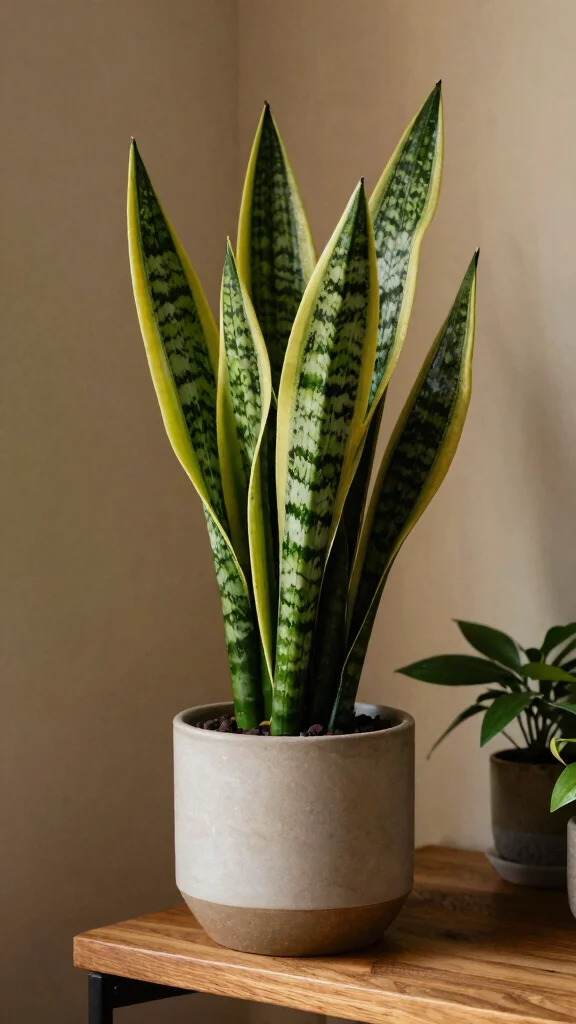
If you’re searching for an indoor tree that thrives in low light, the snake plant is your go-to option. Its striking upright leaves create a modern aesthetic, perfect for any room in your home. Plus, this hardy plant requires minimal care, making it ideal for those with busy lifestyles.
Not only does the snake plant tolerate low light excellently, but it also helps improve air quality by releasing oxygen at night. This means you can enjoy cleaner air while you sleep, making it a smart addition to your bedroom or living area.
To care for your snake plant:
– Water sparingly; let the soil dry completely between waterings.
– Use well-draining soil to prevent root rot.
– Rotate the plant occasionally for balanced growth.
With its unique shape and low-maintenance nature, the snake plant is perfect for small apartments or cozy corners.
📹 Related Video: 10 Common Snake Plant Problems & How To Fix Them
Snake Plant (Sansevieria)
Editor’s Choice

Costa Farms Snake Plant, Live Sansevieria Indoor Houseplant in 4-Inch De…


SQOWL 6 Inch Plant Pot – Ceramic Planter Pot with Drainage Hole and Sauc…

For the Love of Houseplants: Caring for & Keeping Plants with Confidence
2. ZZ Plant (Zamioculcas zamiifolia)
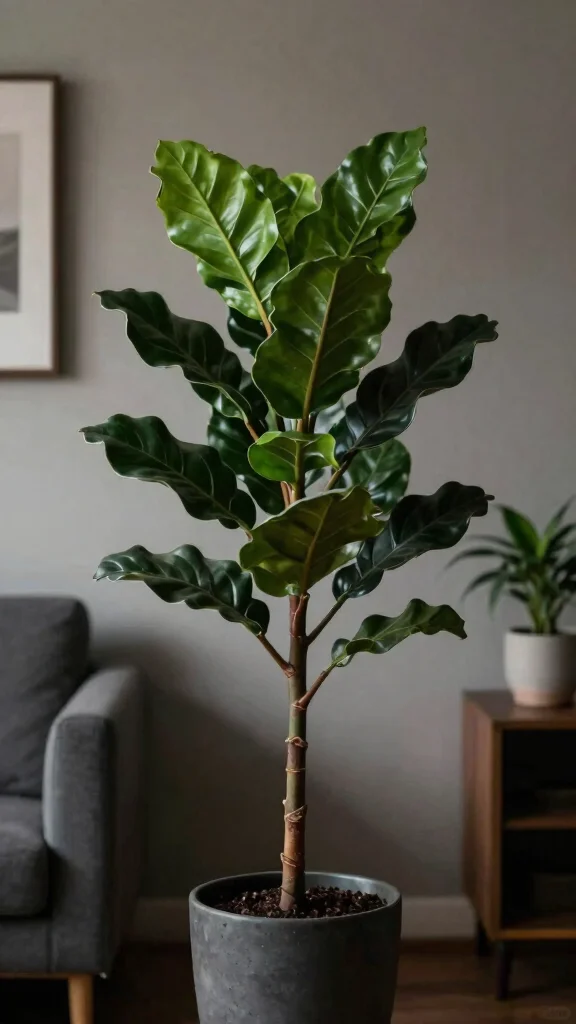
The ZZ plant is an excellent pick for those who want a touch of elegance in low light areas. Its glossy, dark green leaves provide a chic look that can elevate any indoor space. This resilient plant thrives on neglect, making it perfect for those who may forget to water regularly.
With its upright stems, the ZZ plant can reach impressive heights, making it a stunning indoor tree. It adapts well to various lighting conditions, ensuring it remains a beautiful focal point in your home.
For caring for your ZZ plant:
– Let the soil dry completely before the next watering.
– Position it in indirect light for optimal growth, though it tolerates very low light.
– Clean the leaves with a damp cloth to keep them dust-free.
These traits make the ZZ plant not only a survivor but also a striking centerpiece in your indoor garden.
Fun fact: The ZZ plant can survive up to 3 weeks without water, even in low light, making it a top pick for busy homes and indoor trees low light lovers. Its upright stems and glossy leaves create a chic indoor tree that thrives on neglect.
ZZ Plant (Zamioculcas zamiifolia)
Editor’s Choice

Costa Farms Live Indoor House Plants (3-Pack), Hand Selected Easy to Mai…

8/10/12 Inch Self Watering Pots for Indoor/Outdoor Plants – Large Plasti…
3. Fiddle Leaf Fig (Ficus lyrata)
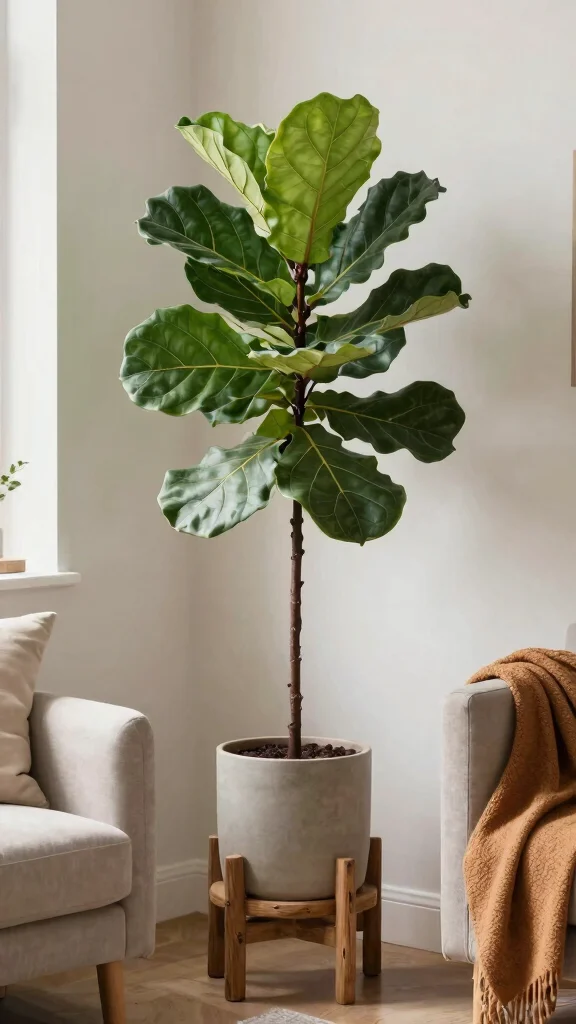
The fiddle leaf fig is a favorite among indoor gardeners for its large, eye-catching leaves that can transform any space. While it prefers bright, indirect light, this adaptable tree can still flourish in lower light environments, providing a stunning statement piece.
Its tall stature allows it to mimic a miniature tree, creating an impressive focal point in your home. With just a bit of attention, you can enjoy its beauty for years to come.
To keep your fiddle leaf fig thriving:
– Water when the top inch of soil is dry, avoiding waterlogged roots.
– Rotate the plant regularly for even growth.
– Mist occasionally to maintain humidity levels.
With proper care, your fiddle leaf fig will become a striking centerpiece in your indoor garden.
Fun fact: Fiddle Leaf Fig can thrive in low light with as little as 2–3 hours of indirect sun. In small spaces, its tall, dramatic leaves become a stunning focal point. Rotate weekly and give minimal feeding to keep indoor trees low light healthy.
Ongoing Maintenance & Care Guide
Maintenance Schedule:
Daily/Weekly Tasks:
– Watering: Check the soil moisture of your indoor trees. Water them if the top inch of soil feels dry. This typically takes about 5-10 minutes.
– Dusting Leaves: Wipe the leaves with a damp cloth to keep them clean and free from dust. This helps them absorb more light. Spend around 10 minutes on this task.
– Check for Pests: Look for any signs of pests like spider mites or aphids. Early detection can save your plants. Allocate 5 minutes for this task.
Monthly/Seasonal Tasks:
– Fertilizing: During the growing season, feed your low light indoor trees with a balanced liquid fertilizer. This will take about 10-15 minutes to mix and apply.
– Repotting: If the tree has outgrown its pot, consider repotting it into a slightly larger container. This should be done once a year and may take 30 minutes to an hour.
– Trimming: Prune any dead or yellowing leaves to encourage new growth. This task will take about 15 minutes.
– Rotate Plants: Every month, rotate your trees to ensure even growth. This usually takes about 5 minutes.
– Humidity Check: Use a hygrometer to measure humidity levels. If low, consider using a pebble tray or humidifier. Checking will take around 5 minutes.
Maintenance Summary Table:
| Task | Frequency | Difficulty | Time Needed |
|————————–|——————-|————|—————–|
| Watering | Daily/Weekly | Easy | 5-10 minutes |
| Dusting Leaves | Weekly | Easy | 10 minutes |
| Check for Pests | Weekly | Easy | 5 minutes |
| Fertilizing | Monthly | Moderate | 10-15 minutes |
| Repotting | Annually | Moderate | 30-60 minutes |
| Trimming | Monthly | Easy | 15 minutes |
| Rotate Plants | Monthly | Easy | 5 minutes |
| Humidity Check | Monthly | Easy | 5 minutes |
Common Issues to Watch For:
⚠️ Yellowing Leaves: This can indicate overwatering or poor drainage. Check the soil moisture and adjust watering schedules.
⚠️ Brown Leaf Tips: If you notice the tips of the leaves turning brown, it may signify low humidity. Increase humidity levels around the plant.
⚠️ Wilting: Wilting can be a sign that your plant needs water. Check the soil moisture immediately.
⚠️ Pest Infestation: Look for tiny webs or sticky residue on leaves. You may need to treat with insecticidal soap or neem oil.
⚠️ Slow Growth: If your indoor trees are not growing, it could be lack of light or nutrients. Evaluate their placement and consider fertilizing.
Care Tips:
💡 Choose the Right Spot: Place your indoor trees near a north or east-facing window to maximize low-light conditions. This can help your plants thrive even with less sunlight.
💡 Maintain Even Watering: Always check the moisture level before watering. Consistent moisture helps avoid root rot or dehydration.
💡 Use Quality Potting Mix: A well-draining potting mix can prevent excess moisture and promote healthy root growth. Consider mixes designed for indoor plants.
💡 Group Plants Together: Placing your low-light indoor trees close to each other can create a microclimate that increases humidity. This is especially helpful for tropical varieties.
💡 Watch for Seasonal Changes: Adjust your care routine as seasons change. Indoor environments might require different watering and humidity levels in winter compared to summer.
Fiddle Leaf Fig (Ficus lyrata)
Editor’s Choice

Costa Farms Fiddle Leaf Fig Tree Live Plant, Little Ficus Indoor Plant i…

LBW Grow Light for Indoor Plants, Full Spectrum Plant Light with Base, H…
4. Dracaena Marginata

The Dracaena Marginata, commonly known as the dragon tree, features spiky leaves that bring a unique flair to your indoor environment. This low light-tolerant tree can grow tall, making it perfect for filling empty corners and adding height to your decor.
Its slender form and dramatic foliage create a beautiful contrast against minimalist backgrounds, enhancing your home’s aesthetic.
For maintaining your Dracaena Marginata:
– Water moderately; let the soil dry slightly between waterings.
– Keep away from cold drafts and direct heat.
– Prune occasionally to encourage bushier growth.
With its distinctive shape and resilience, this plant adds an exotic touch to your indoor gardening collection.
💬 Fun fact: Dracaena Marginata thrives in indoor trees low light, often growing tall with just indirect sun. Water moderately and let the top inch dry—perfect for small spaces where a dramatic, low-maintenance focal point is all you need.
Dracaena Marginata
Editor’s Choice

AfanD Artificial Dracaena marginata,6ft Tall Fake Plants Artificial Drac…

Miracle-Gro Indoor Plant Food for All Plants, Liquid Plant Food for Hous…

Xiaan Jiaju Tuscan Ceramic Plant Pots, 6.11 Inch Vintage Planters with D…
5. Parlor Palm (Chamaedorea elegans)
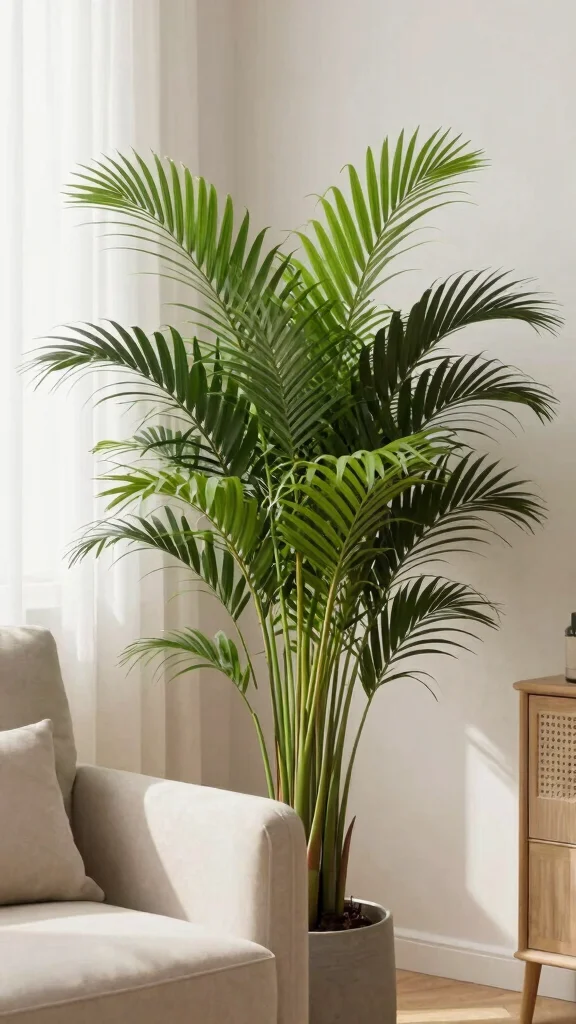
The parlor palm is a timeless choice for low light spaces, showcasing elegant fronds that infuse a tropical vibe into your home. Growing up to 4 feet tall, it’s an excellent option for adding height to small areas, making it perfect next to a comfy chair or in a cozy nook.
Its arching leaves provide a soft, inviting look, enhancing the overall warmth of your living environment.
Care tips for your parlor palm:
– Water when the top inch of soil feels dry, as it prefers slightly moist conditions.
– Keep it out of direct sunlight to prevent leaf damage.
– Fertilize every few months during the growing season for optimal growth.
This low-maintenance beauty will thrive in your home, bringing a lush energy to your living space.
Parlor Palm (Chamaedorea elegans)
Editor’s Choice

Utopia Home Plant Pots Indoor with Drainage Holes – Set of 5 White Pla…

5FT Artificial Palm Tree Tall Plant with Planter & Moss, Realistic 2-Tru…

Miracle-Gro Shake ‘N Feed Palm Plant Food – Fertilizer for Container and…
6. Pothos (Epipremnum aureum)
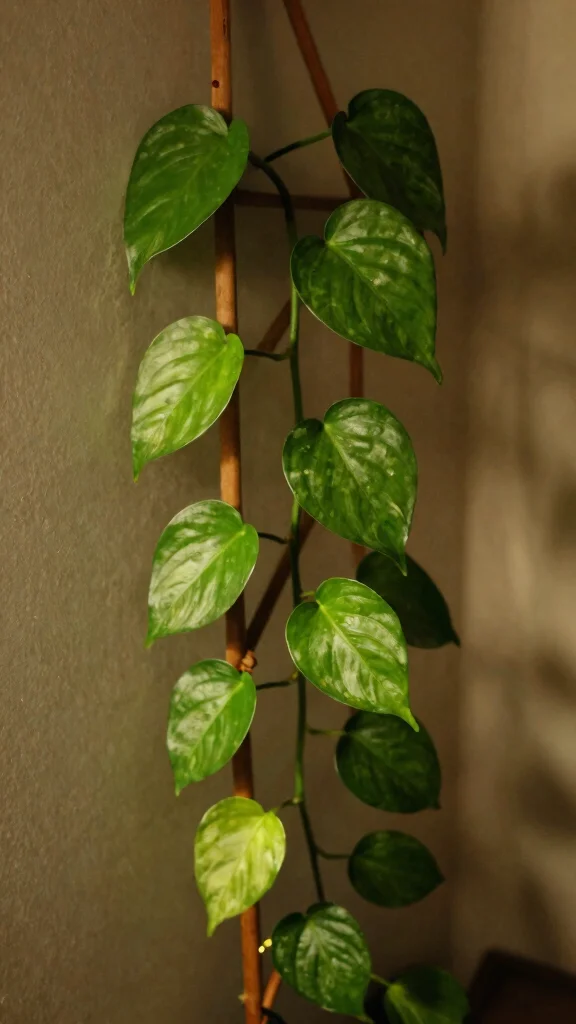
Often seen as a trailing vine, pothos can also thrive as a small indoor tree in a pot. This adaptable plant excels in low light conditions and can fit well into almost any space, making it a versatile choice.
With its heart-shaped leaves in various shades of green, it adds a fresh, vibrant touch to your indoor garden.
To care for your pothos tree:
– Allow the soil to dry out between waterings to avoid root rot.
– Train the vines to grow upright using a trellis.
– While it prefers indirect light, it can survive in low light.
With its easy-going nature and lush appearance, pothos is perfect for both novice and experienced gardeners.
Pothos (Epipremnum aureum)
Editor’s Choice

UWIOFF Trellis for Potted Plants, Stackable Small Indoor Plant Trellis f…

Pothos Pots Neon Sign Botanical LED Wall Decor for Plant Shops, Home Gar…

XLUX Soil Moisture Meter (Since 2015) – Durable 304 Stainless Steel Prob…
7. Cast Iron Plant (Aspidistra elatior)
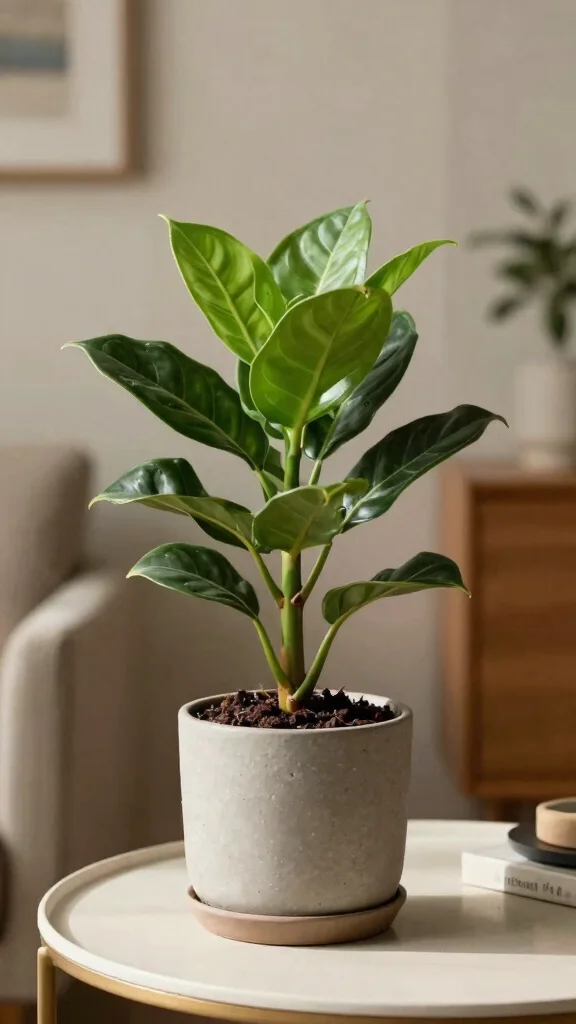
True to its name, the cast iron plant is almost indestructible, thriving in low light and forgiving neglect. This makes it an ideal choice for anyone new to indoor gardening.
Its broad, dark green leaves add a rich, vibrant look to any corner of your home, enhancing the overall atmosphere.
To maintain your cast iron plant:
– Water sparingly; it likes to dry out between waterings.
– Use well-draining soil to prevent soggy roots.
– It tolerates low humidity and variable temperatures, showcasing its resilience.
With its robust nature and attractive foliage, this plant is a fantastic choice for anyone seeking low-maintenance beauty in their indoor gardening journey.
Cast Iron Plant (Aspidistra elatior)
Editor’s Choice

Miracle-Gro Indoor Potting Mix, Blended for a Variety of Houseplants, Fe…
Utopia Home Plant Pots Indoor with Drainage Holes – Set of 5 White Pla…

Watering Can for Indoor and Outdoor Plants – Long Spout Water Can for Ga…
8. Rubber Plant (Ficus elastica)
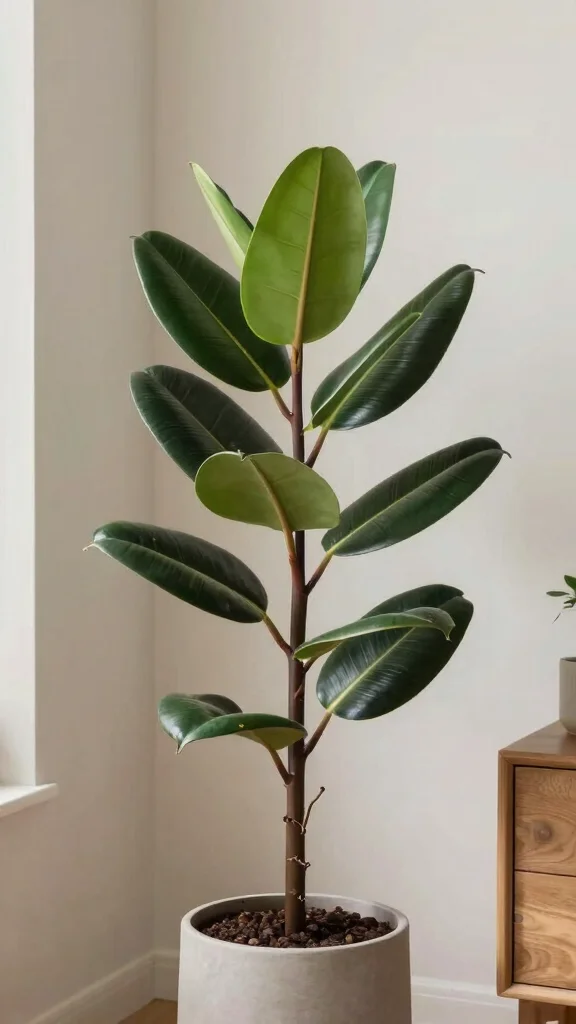
Rubber plants are celebrated for their glossy, large leaves that can make a bold statement in any space. They thrive in low to bright indirect light, offering versatility for various indoor setups.
These trees can grow tall, providing a lush backdrop that enhances your indoor oasis while also purifying the air.
For optimal care:
– Water when the top couple of inches of soil feel dry.
– Regularly wipe the leaves to keep them shiny and dust-free.
– Rotate your plant occasionally for balanced growth.
With their striking appearance and health benefits, rubber plants are an excellent choice for both aesthetic appeal and indoor gardening enthusiasts.
Rubber Plant (Ficus elastica)
Editor’s Choice

Pinkunn 2 Pcs Bonsai Humidity Tray Rectangular Drip Tray Plastic Plant W…

Melphoe 25Pcs Mini Garden Hand Transplanting Succulent Tools Set, 39.4″ …
Miracle-Gro Indoor Plant Food for All Plants, Liquid Plant Food for Hous…
9. Corn Plant (Dracaena fragrans)
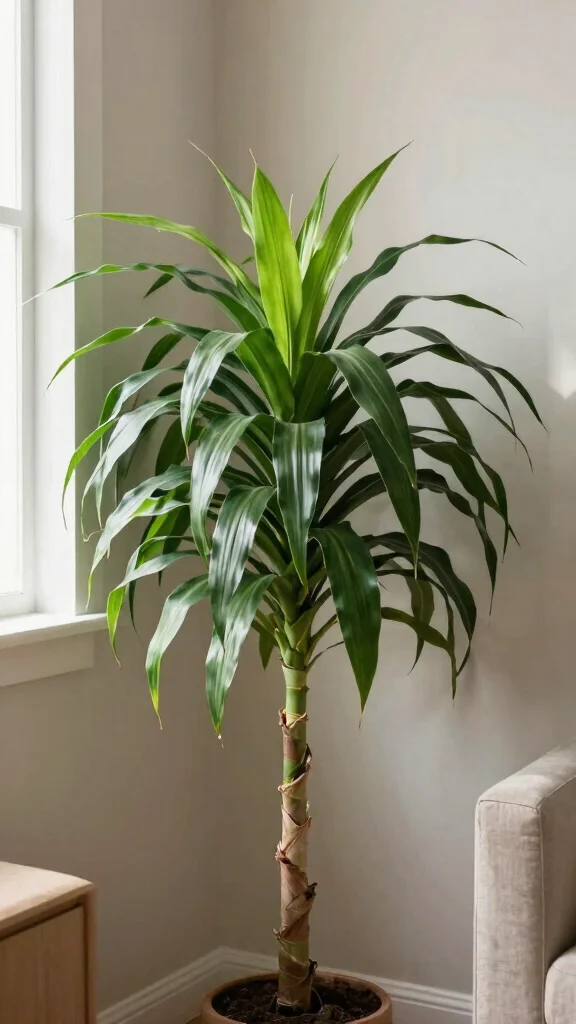
The corn plant is a great option for low light settings, featuring long, arching leaves that bring a tropical feel to your home. It can grow quite large, making it perfect for filling empty spaces and adding vertical interest to your decor.
Its attractive appearance combined with easy care makes it a favorite among indoor gardeners.
To keep your corn plant healthy:
– Water thoroughly, allowing the soil to dry out between waterings.
– Position near a window with filtered light, avoiding direct sunlight to prevent leaf burn.
– Fertilize during the growing season for optimal growth.
With its lush foliage and forgiving nature, the corn plant is sure to thrive in your indoor garden.
Corn Plant (Dracaena fragrans)
Editor’s Choice
Miracle-Gro Indoor Plant Food for All Plants, Liquid Plant Food for Hous…
Utopia Home Plant Pots Indoor with Drainage Holes – Set of 5 White Pla…

Costa Farms Dracaena Mass Cane Extra Large Live Indoor Plant, 4-5 Feet T…
Conclusion
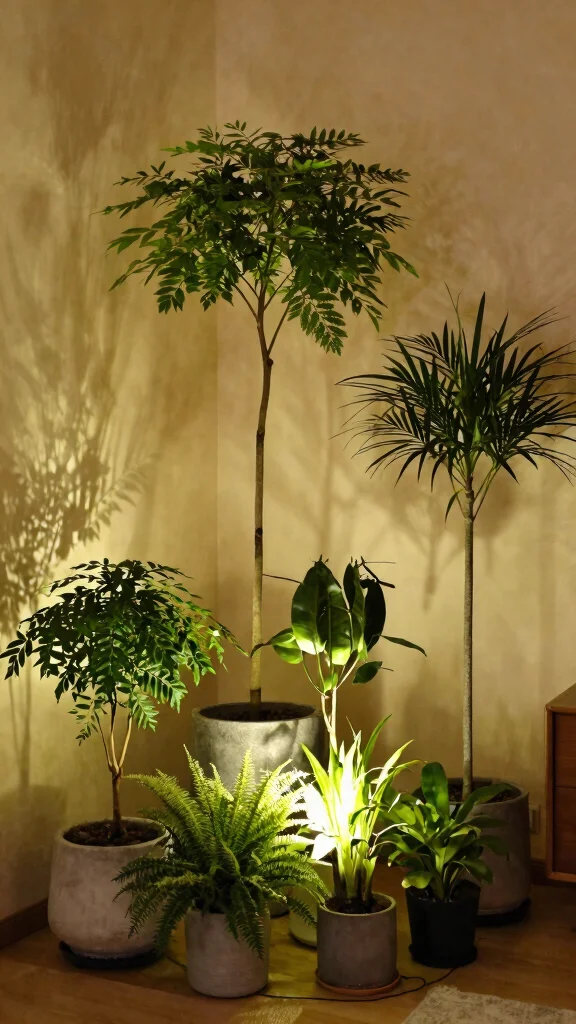
Incorporating indoor trees that thrive in low light conditions can breathe life into your small spaces. These hardy plants not only beautify your environment but also improve air quality, creating a healthier home.
With the right care, you can enjoy the aesthetic and emotional benefits these greenery wonders bring, even in the dimmest corners. So take your pick from this list and start your journey toward a greener, more vibrant indoor space today!
Note: We aim to provide accurate product links, but some may occasionally expire or become unavailable. If this happens, please search directly on Amazon for the product or a suitable alternative.
This post contains Amazon affiliate links, meaning we may earn a small commission if you purchase through our links, at no extra cost to you.
Frequently Asked Questions
What are the best indoor trees for low light in small spaces?
For tight spaces, look for true low-light champions like ZZ plant, snake plant, pothos, philodendron, dracaena, and parlor palm. Place them a few feet from windows to enjoy bright indirect light and avoid harsh afternoon sun. Water sparingly and use a well-draining potting mix; wipe leaves monthly to keep photosynthesis humming. These are classic indoor trees low light that stay compact and easy to care for in tight rooms.
How much light do these indoor trees need, and can I supplement with artificial light?
They typically thrive in indirect light—think near a north or east-facing window or a few feet away from a sunny window. If your room is very dim, you can supplement with a simple LED grow light for about 8–12 hours a day; place it higher than the plant to avoid burning. Rotate plants monthly to keep growth balanced and avoid one-sided stretching, and avoid direct sun that can scorch leaves.
Are low maintenance indoor trees practical for beginners?
Absolutely. Many low maintenance indoor trees tolerate neglect and infrequent watering. A simple rule is to water when the top inch of soil dries, use a pot with drainage, and avoid overwatering. Wipe dusty leaves to help photosynthesis, and choose compact varieties that fit your small space for a stress-free start.
What common mistakes should I avoid with indoor trees in low light?
Common mistakes include overwatering, especially in low light when roots need less water, and placing plants in direct sun through windows. Other pitfalls are using non-draining or heavy soil, neglecting repotting when roots outgrow the pot, and ignoring dust or pests. Prevention is simple: provide well-draining soil, a pot with drainage, regular leaf cleaning, and adjust watering based on how bright your space actually is.
What practical care tips help indoor trees stay healthy in small spaces with low light?
Set up a simple routine: check light levels weekly, rotate plants a little each month, water when the top inch of soil dries, and fertilize lightly during the growing season. Dust leaves regularly, and create a microclimate by grouping 2–3 best trees for low light together in a bright corner. If natural light is scarce, supplement with houseplants for low light friendly artificial light to keep them thriving.
Related Topics
indoor trees low light
houseplants for low light
low light indoor plants
best trees for low light
indoor gardening tips
low maintenance indoor trees
small space gardening
easy care plants
beginner friendly
air purifying plants
decorative indoor trees
shade tolerant plants