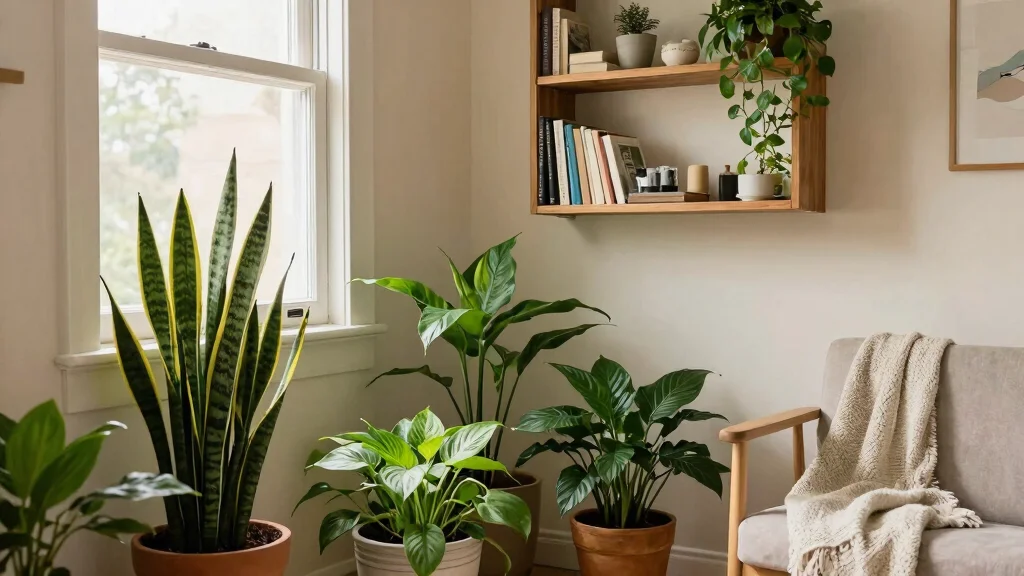
When it comes to decorating your small apartment, finding the right indoor plants can feel like a bit of a puzzle. You might be craving some greenery but worry that your space doesn’t get enough light to support thriving houseplants. That’s why I put together this guide on the 8 best indoor plants that survive and thrive in low light. These plants not only add beauty but also improve air quality and bring a touch of nature indoors.
If you’re someone who loves the idea of houseplants but has struggled to keep them alive in less-than-ideal conditions, you’re not alone. This post is for anyone living in small apartments with limited natural light who wants to create a cozy and inviting atmosphere. You’ll discover easy indoor plants that are shade tolerant, low maintenance, and perfect for brightening up any corner of your home.
By the end of this guide, you’ll have a solid list of plants that can thrive in low-light conditions, along with helpful care tips to ensure they flourish. From the quirky snake plant to the resilient ZZ plant, these selections are perfect for anyone looking to bring the outdoors inside without the stress of constant upkeep. Let’s dive into these green companions that will thrive even in the shadiest spots of your home.
Key Takeaways
– Discover eight amazing indoor plants low light options that thrive in small apartments with limited sunlight.
– Learn about houseplants for low light that are not only beautiful but also easy to care for.
– Get practical advice on low light plant care to keep your greenery looking fresh and healthy.
– Explore shade tolerant plants that require minimal maintenance, making them perfect for busy lifestyles.
– Understand the benefits of incorporating easy indoor plants into your living space for a more inviting atmosphere.
1. Snake Plant (Sansevieria)
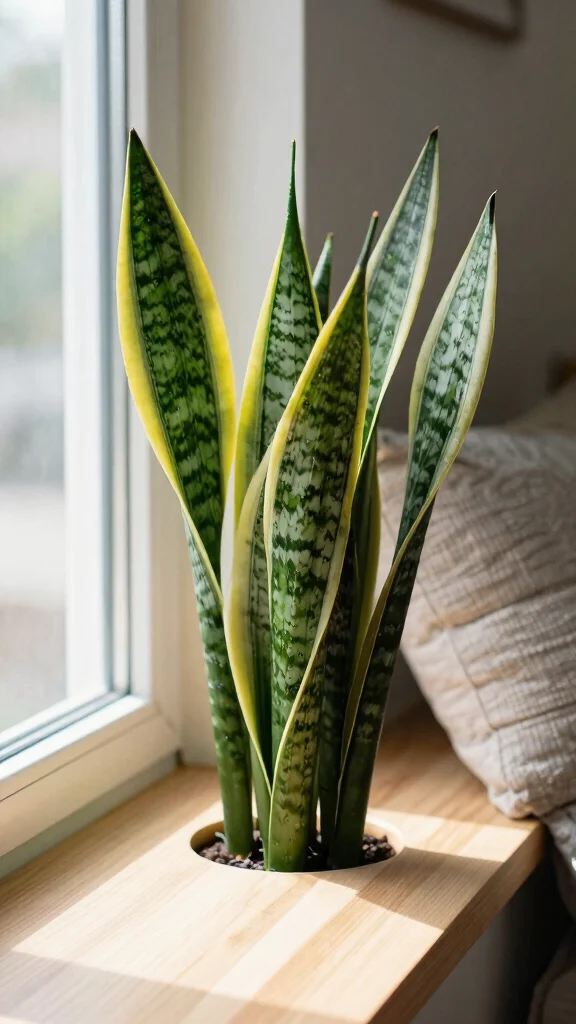
If you’re looking for an indoor plant that thrives on neglect, the Snake Plant is your best bet. With its tall, sword-like leaves featuring vibrant green hues and bold yellow edges, this plant adds a modern touch to any room. It’s perfect for those shadowy corners where sunlight barely reaches, making it an ideal choice for busy lifestyles.
Caring for a Snake Plant is a breeze: simply water it every few weeks and let the soil dry out completely between watering sessions. This resilience not only saves you time but also ensures that your indoor air quality stays fresh by filtering toxins effectively.
Here’s how to care for your Snake Plant:
– Use well-draining soil for optimal health
– Water only when the soil is dry
– Place it in indirect light for best growth
With its architectural beauty and low maintenance needs, the Snake Plant is a stunning addition to any indoor garden.
📹 Related Video: Ultimate SNAKE PLANT CARE Guide — Ep 202
Snake Plant (Sansevieria)
Editor’s Choice

Ceramic Orchid Pots with Holes attached Saucers 4.8 Inches – Set of 2 Sm…


Purived 16oz All-Purpose Liquid Plant Fertilizer – Makes 50 Gallons, for…

Watering Can for Indoor and Outdoor Plants – Long Spout Water Can for Ga…
2. ZZ Plant (Zamioculcas zamiifolia)
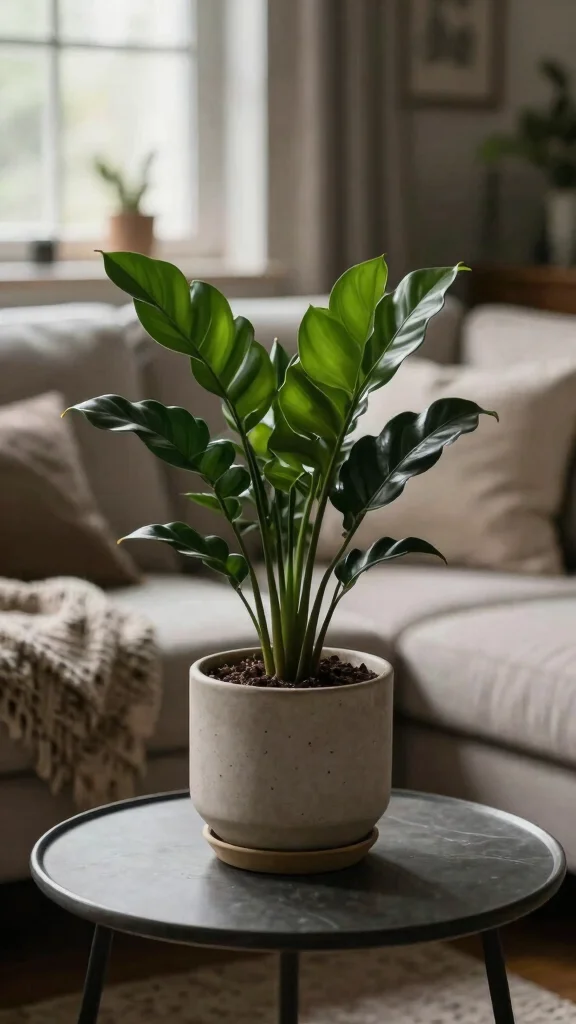
The ZZ Plant, or Zamioculcas zamiifolia, is a standout for those who want a touch of elegance with minimal effort. Its glossy, dark green leaves reflect light, adding a polished look to your home decor. This plant thrives in low light and requires very little water, making it perfect for those who often forget to tend their greenery.
To keep your ZZ Plant healthy, simply place it in an indirect light area and water only when the soil is completely dry. This forgiving nature means you can enjoy its beauty without constant worry about its care.
Key care tips for a thriving ZZ Plant:
– Position it in indirect light
– Water sparingly when the soil is dry
– Avoid waterlogged soil to prevent root rot
With its stunning appearance and low upkeep, the ZZ Plant is a fantastic choice for busy individuals seeking indoor greenery.
Fun fact: The ZZ plant can survive up to 3 weeks without water, even in low light, making it a top pick for busy homes and indoor trees low light lovers. Its upright stems and glossy leaves create a chic indoor tree that thrives on neglect.
ZZ Plant (Zamioculcas zamiifolia)
Editor’s Choice

Fiskars Indoor Watering Can, Long Reach Spout for Precision Hydration on…

Xiaan Jiaju Tuscan Ceramic Plant Pots, 6.11 Inch Vintage Planters with D…

Osmocote Smart-Release Plant Food Plus Outdoor & Indoor1 – Granular, Con…
3. Pothos (Epipremnum aureum)
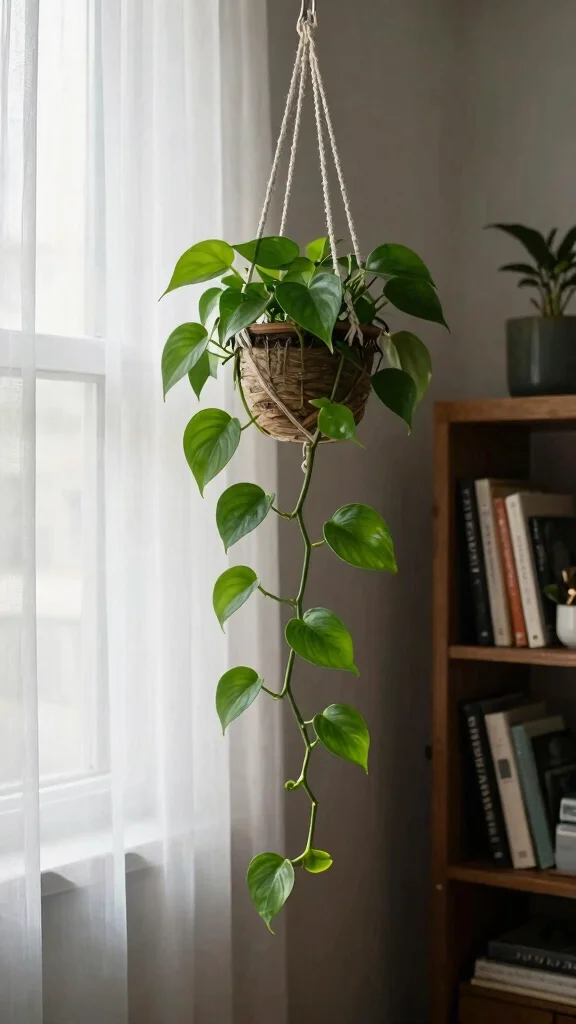
For a plant that brings life to any space, consider the Pothos, also known as Epipremnum aureum. This versatile beauty features heart-shaped leaves that display a range of colors, from deep green to striking variegated patterns. Its trailing vines can elegantly drape from shelves or hang beautifully in baskets, making it perfect for both small and spacious areas.
Pothos is incredibly easy to propagate, allowing you to multiply your greenery with minimal effort. Just water when the top inch of soil feels dry and ensure it has good drainage to keep those leaves lush and vibrant.
Quick tips for caring for your Pothos:
– Water when the top inch of soil is dry
– Provide good drainage to prevent rot
– Adjust light exposure if leaves lose color
Not only is Pothos visually appealing, but it also acts as an effective air purifier, enhancing your indoor environment.
Pothos (Epipremnum aureum)
Editor’s Choice

Mkono Macrame Plant Hanger Indoor Hanging Planter Basket with Wood Beads…

Miracle-Gro Indoor Plant Food for All Plants, Liquid Plant Food for Hous…

Live Pothos Plants (4PK) Indoor Plants Live Houseplants, Pothos Live Pla…
4. Peace Lily (Spathiphyllum)
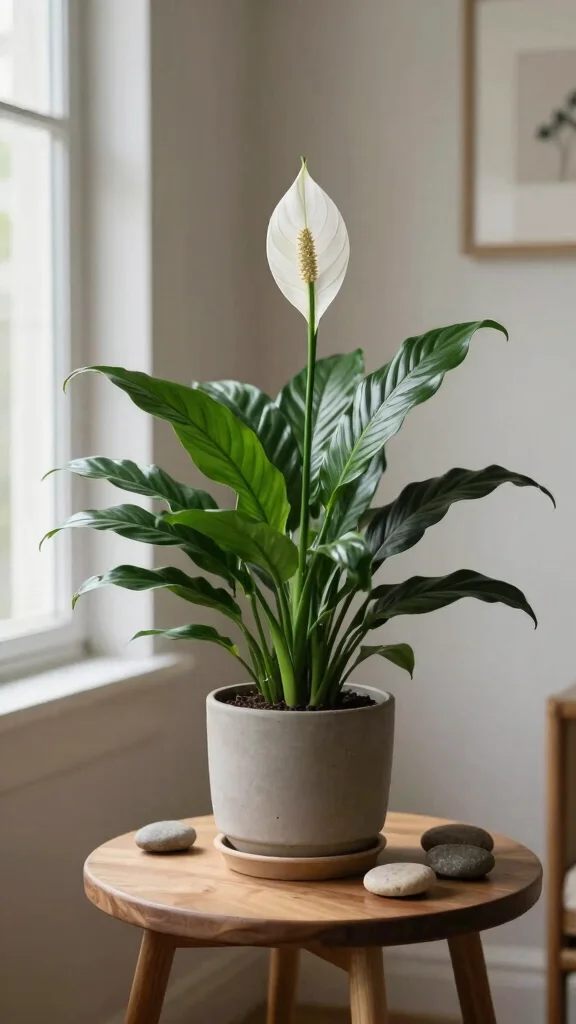
The Peace Lily is a beautiful choice for adding a touch of elegance to your home while thriving in low light. With its graceful dark green leaves and stunning white blooms, this plant can brighten any room. Peace Lilies are fantastic air purifiers, removing harmful toxins while signaling when they need a drink by drooping their leaves.
To care for your Peace Lily, keep it in indirect light and water when the top inch of soil feels dry. They enjoy humidity, so misting the leaves occasionally can help them thrive.
Essential care tips for your Peace Lily:
– Position in indirect light for best results
– Water when the top inch of soil is dry
– Mist leaves to maintain humidity
With its striking beauty and air-purifying qualities, the Peace Lily is a must-have for any plant lover.
Fun fact: Peace lilies can thrive in as little as 100-200 lux, the dim glow of a shaded corner. For low light plants, this peace lily delivers elegant blooms and cleaner air—perfect for busy spaces with little natural sun.
Ongoing Maintenance & Care Guide
Maintenance Schedule:
Daily/Weekly Tasks:
– Check soil moisture levels. Stick your finger about an inch into the soil. If it feels dry, it’s time to water. ⏱ (5 minutes)
– Dust leaves gently with a damp cloth to help the plant breathe better. Dust can block sunlight. ✔ (10 minutes)
– Rotate your plants weekly to ensure even growth. This helps prevent them from leaning toward the light. 🚀 (5 minutes)
Monthly/Seasonal Tasks:
– Fertilize your plants during the growing season (spring and summer) with a balanced houseplant fertilizer. This gives them extra nutrients. 💡 (15 minutes)
– Repot the plants every 1-2 years or when you see roots coming out of the drainage holes. Use fresh potting soil for best results. ⏱ (30 minutes)
– Prune dead or yellowing leaves to encourage new growth. This keeps your plants looking good and healthy. ✔ (15 minutes)
Maintenance Summary Table:
| Task | Frequency | Difficulty | Time Needed |
|————————–|—————-|————|————-|
| Check soil moisture | Daily | Easy | 5 min |
| Dust leaves | Weekly | Easy | 10 min |
| Rotate plants | Weekly | Easy | 5 min |
| Fertilize | Monthly | Moderate | 15 min |
| Repot | Every 1-2 years| Moderate | 30 min |
| Prune | Monthly | Easy | 15 min |
Common Issues to Watch For:
⚠️ If you notice yellowing leaves, it might mean overwatering. Check the soil; if it’s soggy, hold back on watering.
⚠️ Wilting leaves can indicate underwatering. Feel the soil; if it’s dry, give your plant a drink!
⚠️ Black spots on leaves can signal fungal disease. Remove affected leaves and ensure good airflow around your plants.
Care Tips:
💡 Keep your indoor plants low light by placing them in spots that receive indirect sunlight. Too much direct light can harm them.
💡 Use a moisture meter to help gauge when to water. It’s a handy tool, especially for beginners.
💡 Group plants together to create a mini rainforest effect. This helps maintain humidity levels, which many houseplants love!
💡 Pay attention to temperature changes. Most indoor plants prefer temperatures between 65°F to 75°F (18°C to 24°C).
💡 If you’re unsure about a plant’s needs, do a little research. Each plant is unique, and knowing their specific requirements will help them thrive.
This guide will help you keep your indoor plants low light happy and healthy. Adjust your care routine as you get to know your plants better. Enjoy the serene beauty that greenery brings to your living space!
Peace Lily (Spathiphyllum)
Editor’s Choice

Pinkunn 2 Pcs Bonsai Humidity Tray Rectangular Drip Tray Plastic Plant W…

Melphoe 25Pcs Mini Garden Hand Transplanting Succulent Tools Set, 39.4″ …
5. Spider Plant (Chlorophytum comosum)
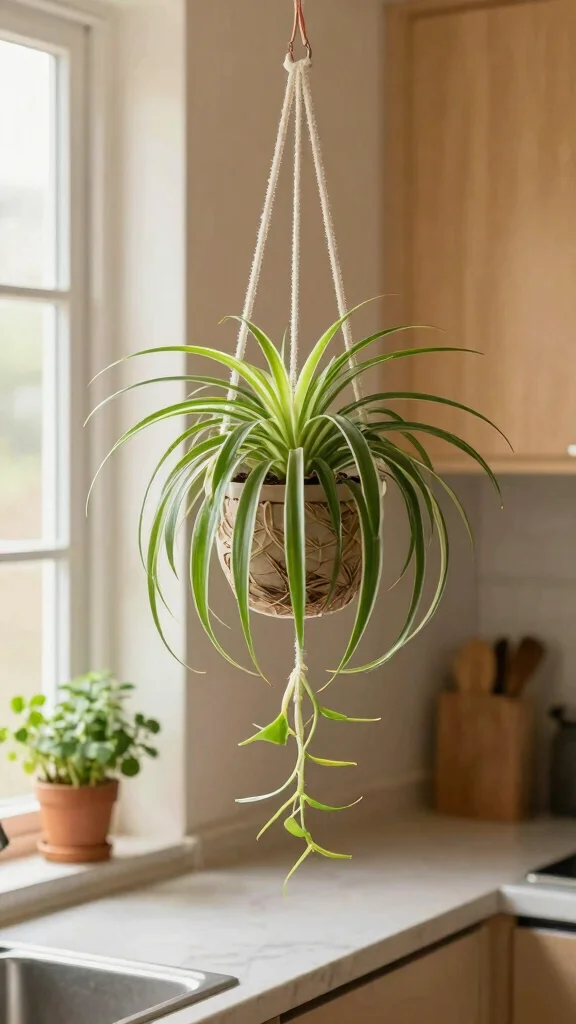
The Spider Plant is a delightful addition to any home, showcasing its unique arching leaves that resemble spider legs. This plant not only enhances indoor air quality but is also perfect for beginners due to its easy-going nature. Spider Plants thrive in various light conditions, including low light, making them excellent companions for apartments with limited sunlight.
To care for your Spider Plant, water when the top inch of soil dries out, and avoid letting it sit in water. They prefer well-draining soil and will thrive with a bit of indirect light.
Key points for Spider Plant care:
– Water when the top inch of soil is dry
– Ensure well-draining soil for healthy growth
– Allow indirect sunlight for optimal health
This fun and forgiving plant brings whimsy and greenery, perfect for brightening any corner of your home.
Spider Plant (Chlorophytum comosum)
Editor’s Choice

Plantopedia: The Definitive Guide to Houseplants

GROWIT Plant Moisture Meter – Accurately Tells You When to Water Your Pl…

Set of 2-10 Inch Hanging Planters for Indoor Plants with Self-Watering I…
6. Cast Iron Plant (Aspidistra elatior)
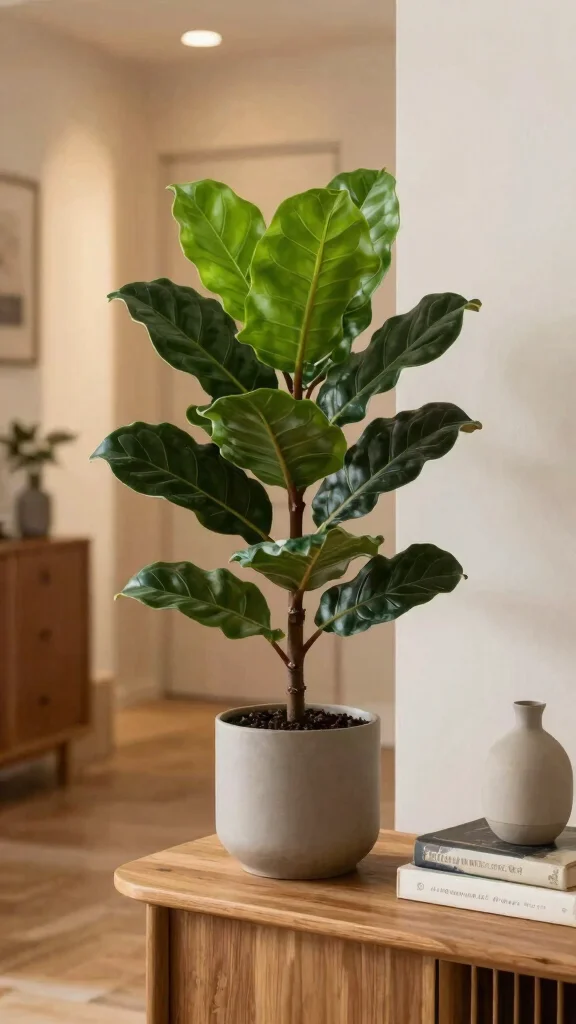
For those in search of a truly resilient plant, the Cast Iron Plant is the perfect choice. This hardy plant can withstand neglect and thrives in low light, making it ideal for busy lifestyles. With its broad, dark green leaves, the Cast Iron Plant adds a lush, tropical feel to any space without stressing about sunlight exposure.
To keep your Cast Iron Plant thriving, place it in well-draining soil and water it when the top layer feels dry. This forgiving plant doesn’t require frequent fertilization, allowing you to enjoy its beauty with less hassle.
Simple care tips for your Cast Iron Plant:
– Use well-draining soil for optimal health
– Water when the top layer of soil is dry
– Enjoy its low-maintenance nature
The Cast Iron Plant’s robust nature makes it a reliable companion for anyone looking for easy-to-care-for greenery.
“Struggling with indoors plant care? Cast Iron Plant proves you don’t need a green thumb. No light plants like Aspidistra elatior thrive on neglect—water only after the soil dries, and your shady corners will finally look alive.”
Cast Iron Plant (Aspidistra elatior)
Editor’s Choice
Watering Can for Indoor and Outdoor Plants – Long Spout Water Can for Ga…

Utopia Home Plant Pots Indoor with Drainage Holes – Set of 5 White Pla…

Back to the Roots 100% Organic Indoor Potting Mix (6 Quart), Promotes He…
7. Dracaena (Dracaena spp.)
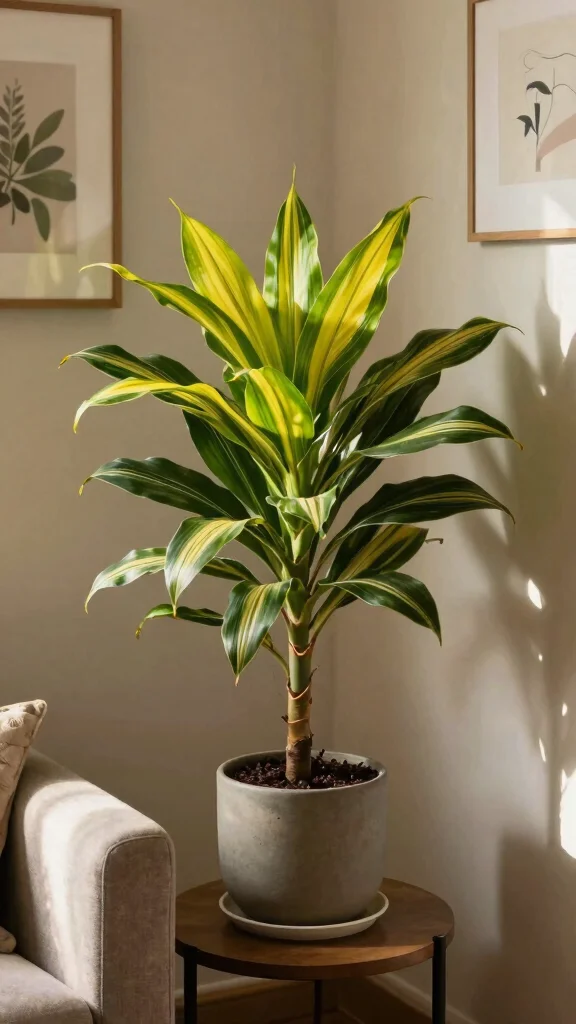
The Dracaena is a striking indoor plant that stands out with its dramatic upright growth and beautiful foliage. Available in various species, Dracaena adds a sculptural quality to your home decor. The leaves often feature stunning combinations of green, yellow, and even red edges, infusing your space with color while thriving in low light.
To ensure your Dracaena flourishes, water when the top inch of soil is dry and reduce watering during the winter months. Keeping the leaves dust-free is essential, so give them a gentle wipe now and then.
Key care tips for your Dracaena:
– Water when the top inch of soil dries out
– Reduce watering in the winter months
– Wipe leaves occasionally to remove dust
With its bold presence and diverse varieties, the Dracaena is an excellent choice for anyone seeking low light plants to complement their style.
Dracaena (Dracaena spp.)
Editor’s Choice

Costa Farms Dracaena Mass Cane Extra Large Live Indoor Plant, 4-5 Feet T…
Utopia Home Plant Pots Indoor with Drainage Holes – Set of 5 White Pla…
GROWIT Plant Moisture Meter – Accurately Tells You When to Water Your Pl…
8. Chinese Evergreen (Aglaonema)
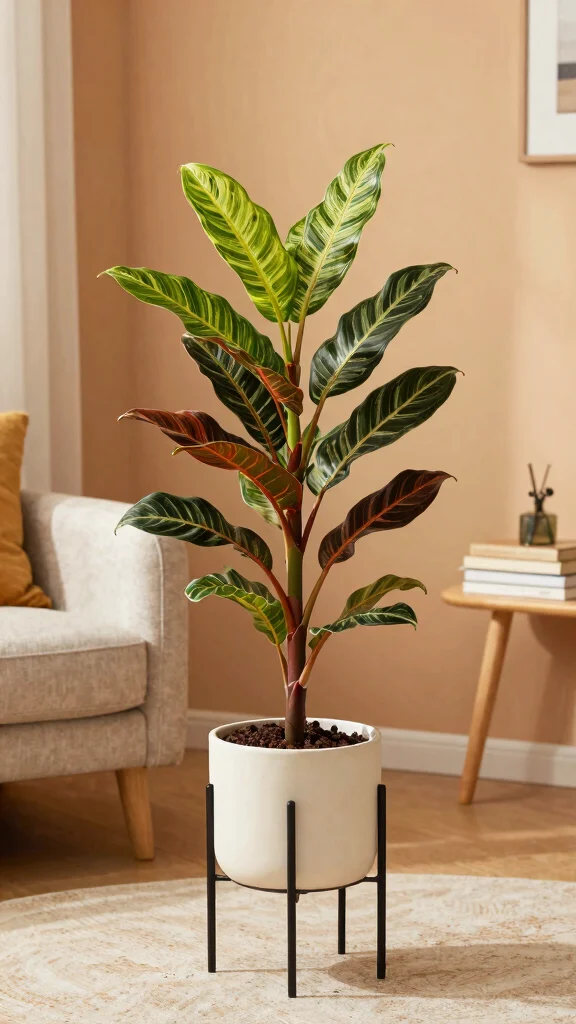
Last but not least, the Chinese Evergreen is a fantastic option for low light spaces. This versatile plant displays a variety of colors and patterns, from deep emerald greens to striking variegated leaves, bringing visual interest to any room. Known for its hardiness, the Chinese Evergreen adapts well to different light conditions, although it thrives in low light environments.
To care for your Chinese Evergreen, water when the top inch of soil is dry and avoid waterlogged conditions. This plant tolerates humidity fluctuations, making it an excellent choice for smaller apartments.
Care tips for your Chinese Evergreen:
– Water when the top inch of soil is dry
– Avoid letting it sit in waterlogged soil
– Enjoy its colorful foliage and resilience
The Chinese Evergreen’s vibrant appearance and adaptability make it a beloved choice among houseplant enthusiasts.
Chinese Evergreen (Aglaonema)
Editor’s Choice
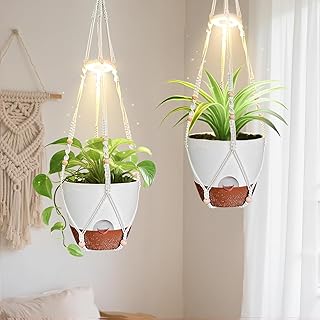
2 Pack Hanging Planters with Grow Light for Indoor Plants, 10” Self Wa…
Melphoe 25Pcs Mini Garden Hand Transplanting Succulent Tools Set, 39.4″ …

LEOTER Grow Light for Indoor Plants – Upgraded Version 80 LED Lamps with…
Conclusion
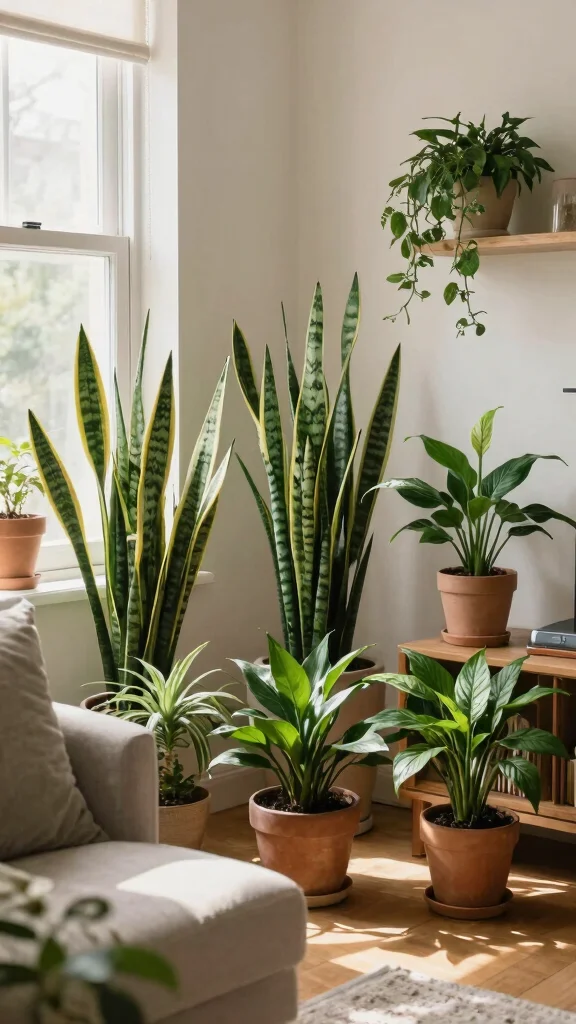
Incorporating indoor plants that thrive in low light can transform your small apartment into a lush, welcoming retreat. From the elegant Peace Lily to the resilient ZZ Plant, each of these eight houseplants brings unique beauty and benefits to your space.
By choosing the right low light plant and following simple care tips, you can enjoy a vibrant indoor garden that enhances your living environment. Dive into the world of shade-tolerant plants and discover the joy of adding greenery to your home, no matter how limited the light may be.
Which plant will you choose to bring life into your space?
Note: We aim to provide accurate product links, but some may occasionally expire or become unavailable. If this happens, please search directly on Amazon for the product or a suitable alternative.
This post contains Amazon affiliate links, meaning we may earn a small commission if you purchase through our links, at no extra cost to you.
Frequently Asked Questions
What are the best indoor plants for low light in small apartments?
If you’re working with limited natural light, you can still enjoy vibrant greenery. Some of the best indoor plants for low light include snake plants, pothos, ZZ plants, cast iron plants, and certain peace lilies. These are known to thrive in shade and require minimal care, which is perfect for small spaces. Place them where they get bright, indirect light if possible, water only when the top inch of soil dries, and wipe leaves occasionally to keep photosynthesis efficient. For shade tolerant plants, rotate them every few weeks to encourage even growth. This approach keeps your indoor plants low light thriving without a sunny window.
How do I care for shade-tolerant houseplants when my window is barely sunny?
Caring for shade-tolerant houseplants is all about giving them a little extra help without overdoing it. Start by placing them in the brightest spot you have and consider a small grow light for a few hours a day if needed. Water them when the top layer of soil feels dry to the touch, and ensure good drainage so roots don’t sit in moisture. Dust the leaves to maximize light absorption, keep them away from cold drafts, and use a well-draining potting mix. With these low maintenance steps, your houseplants for low light will stay healthy and vibrant even in rooms that never feel sunny.
Which easy indoor plants are truly forgiving in low light for a busy schedule?
If your calendar is packed, choose plants known for their resilience: snake plant, ZZ plant, pothos, cast iron plant, and philodendron varieties. These easy indoor plants tolerate infrequent watering, low light, and occasional neglect while still looking lush. To keep them happiest, set a simple routine: water every 1–2 weeks (adjust for humidity and pot size), wipe dusty leaves every month, and rotate a little every so often so they don’t grow lopsided toward a light source. With minimal fuss, you’ll have thriving greenery that proves indoor plants low light can be both beautiful and low maintenance.
How often should I water low light houseplants and what signs indicate overwatering or underwatering?
Watering for low light plants is all about letting the soil dry a bit between drinks. Check the top inch of soil; if it’s dry, it’s time to water. Water thoroughly until excess drains from the pot, then empty the saucer to avoid soggy roots. Signs of overwatering include yellowing leaves, a musty smell, and mushy stems, while underwatering shows as droopy, dull leaves and soil that pulls away from the edges. A simple rule of thumb: in cooler, low-light rooms, you may water less frequently, while in dry indoor air you might need a bit more. This low light plant care approach helps you keep your best indoor plants healthy without guesswork.
Can I use artificial light or fertilizers to boost growth for indoor plants low light?
Yes, a little supplemental light can make a big difference. Use a grow light for 6–8 hours a day on a timer to support indoor plants low light growth, especially in rooms with minimal natural light. For fertilizers, feed sparingly—during the active growing season (spring and summer)—with a balanced, diluted fertilizer to avoid salt buildup in low-light conditions. Avoid heavy feeding in winter when many plants slow their growth. Pairing gentle artificial light with careful feeding is a practical way to keep your low light plant care routine effective and your plants thriving.
Related Topics
indoor plants
low light plants
houseplants care
shade tolerant
easy care plants
small apartment gardening
beginner friendly
best indoor plants