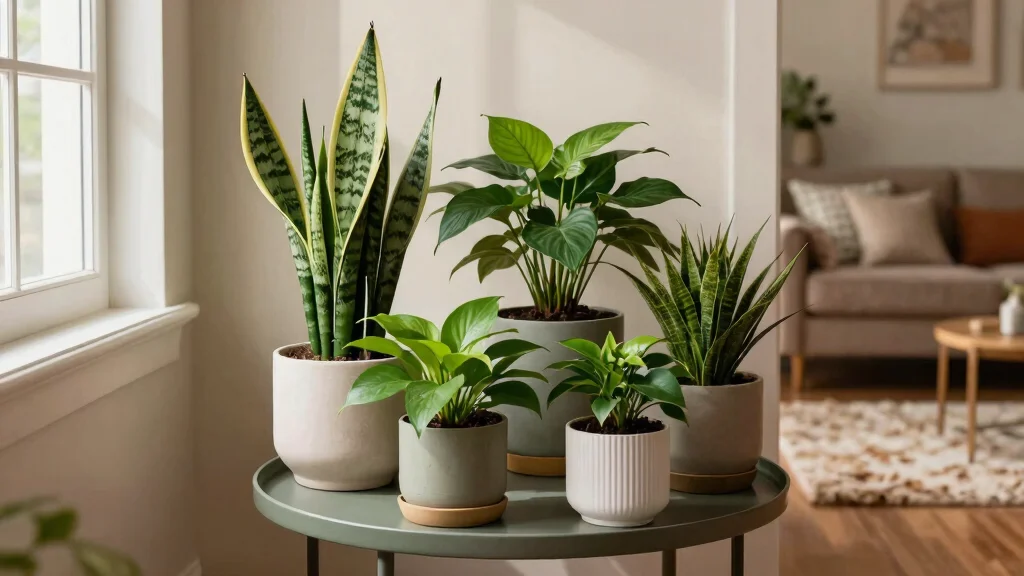
If you’ve been thinking about bringing some greenery into your small apartment but worry about your lack of plant care skills, you’re not alone. This is a common struggle for many aspiring indoor gardeners. The thought of nurturing a plant can feel daunting, especially when you hear the word “houseplants.” That’s why I put together this guide on the 10 best low light houseplants that are perfect for beginners. These plants won’t just survive; they’ll thrive in the less-than-ideal lighting of your cozy space.
This post is for anyone who loves the idea of having plants bring life to their home but feels unsure about which ones to choose. If you’re new to indoor gardening or just have a busy lifestyle, you’ll find these easy care houseplants are some of the best companions. With minimal effort, you can enjoy the beauty of nature indoors. You’ll also discover that caring for plants can be a rewarding experience, adding a calming atmosphere to your home.
In this guide, you’ll learn about 10 fantastic low light plants that not only look good but also require very little maintenance. Expect details on how to care for each plant, along with tips to help them flourish in your living space. By the end of this post, you’ll be ready to pick out your new leafy friends with confidence!
Key Takeaways
– Low light tolerance: All plants featured are specifically chosen for their ability to thrive in low light, making them perfect for small apartments.
– Beginner-friendly care: Each plant has unique care requirements but is generally easy to manage, perfect for those just starting out.
– Air purification: Many of these plants help to improve indoor air quality, making your space healthier as well as more beautiful.
– Visual appeal: Discover how each plant can enhance your decor with its unique look and foliage, adding charm and life to any room.
– Simple maintenance tips: Find straightforward advice on watering, feeding, and positioning your plants to ensure they stay healthy and vibrant.
1. Snake Plant (Sansevieria)
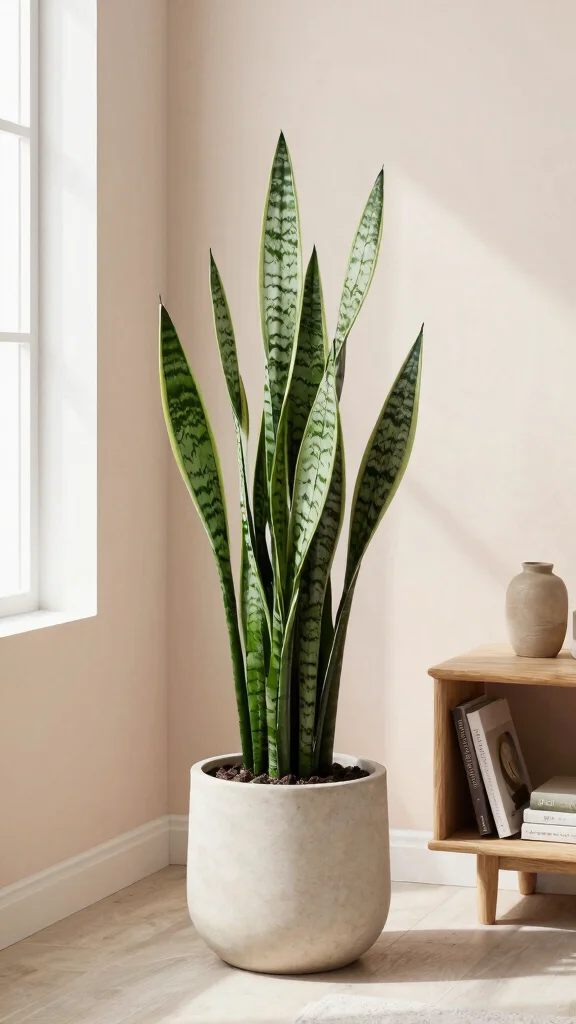
Looking for a houseplant that thrives on neglect? Snake plants, or Sansevieria, are the perfect option! These hardy plants flourish in low light and need very little water, making them ideal for busy lifestyles. With their striking, upright leaves, they effortlessly enhance any room’s aesthetic. You can set a Snake Plant in a cozy corner or display it on a shelf to add a touch of style. Plus, they purify the air, creating a fresher atmosphere in your home. Key care tips to remember:
– Water only when the soil is completely dry.
– Keep out of direct sunlight to avoid scorching the leaves.
– Use well-draining soil for the best results. Owning a Snake Plant means enjoying a low-maintenance yet stunning addition to your indoor garden.
Fun fact: Snake Plants can go 2-3 weeks without water, especially in low light. No light plants like these thrive on neglect, adding resilient greenery to dark corners while keeping care simple and stress-free.
Snake Plant (Sansevieria)
Editor’s Choice

Houseplants for Beginners: A Practical Guide to Choosing, Growing, and H…


Gepege 6 Inch Beaded Ceramic Planter Set of 2 with Drainage Hole and Sau…

Costa Farms Snake Plant, Live Sansevieria Indoor Houseplant in 4-Inch De…
2. Pothos (Epipremnum aureum)

If you want an easy-going plant that adds flair to your space, Pothos is a fantastic choice! Known for its beautiful trailing vines, this plant looks great cascading down shelves or hanging from ceilings. It thrives in low light and comes in gorgeous shades, from deep green to vibrant gold. Pothos is forgiving if you occasionally forget to water it, making it perfect for beginners. You can easily propagate it, allowing you to expand your indoor garden effortlessly. Here are some care tips to keep your Pothos thriving:
– Let the top inch of soil dry out before watering.
– Trim long vines to encourage bushier growth.
– Rotate the plant occasionally for even light exposure. With a Pothos in your home, you can easily introduce a lively touch to your decor!
Fun fact: Pothos can trail 10–12 feet indoors with simple pruning, turning even tiny apartments into green walls. It thrives on houseplants low light and forgiving care, so beginners feel confident propagating new cuttings for an expanding indoor garden.
Pothos (Epipremnum aureum)
Editor’s Choice

Houseplant Care Guide: How to Choose, Grow, and Care for Indoor Plants a…

Watering Can for Indoor and Outdoor Plants – Long Spout Water Can for Ga…

Set of 2-10 Inch Hanging Planters for Indoor Plants with Self-Watering I…
3. ZZ Plant (Zamioculcas zamiifolia)

Meet the ZZ Plant, a true gem for indoor gardening! With its glossy, dark green leaves, this beauty brightens any low-light corner. Known for its tough nature, it’s drought-resistant and requires minimal care. Perfect for those who might forget to water regularly, the ZZ Plant’s slow growth means you can enjoy its beauty without constant attention. Its unique leaf structure adds an exotic flair to your space. To ensure your ZZ Plant thrives:
– Water only when the soil is dry to the touch.
– Keep it away from direct sunlight to prevent leaf scorch.
– Fertilize sparingly, as it doesn’t need much feeding. Choosing a ZZ Plant means embracing a stunning, easy-care houseplant that fits any beginner’s lifestyle.
Fun fact: ZZ Plant stores water in thick rhizomes, thriving even in houseplants low light with minimal attention. Water only when the soil is dry—its drought-tolerant nature keeps your space looking lush, even if you forget to water for a week or two.
📹 Related Video: The “Unkillable” ZZ Plant: Complete Zamioculcas Care Guide
ZZ Plant (Zamioculcas zamiifolia)
Editor’s Choice

Miracle-Gro Indoor Plant Food for All Plants, Liquid Plant Food for Hous…

Xiaan Jiaju Tuscan Ceramic Plant Pots, 6.11 Inch Vintage Planters with D…
4. Spider Plant (Chlorophytum comosum)

Spider Plants are the playful companions every beginner needs! With arching green leaves and charming offshoots resembling spiders, they thrive in indirect light and adapt well to various indoor conditions. Known for their air-purifying qualities, Spider Plants are fantastic additions to any room. Plus, you can easily propagate new plants from their spiderette offshoots, creating a fun gardening project. Keep your Spider Plant happy with these tips:
– Allow the soil to dry out between waterings.
– Fertilize during the growing season for healthier growth.
– Hang them in a basket or place them on shelves to show off their unique growth pattern. With their resilience and charm, Spider Plants make gardening a delightful experience for newcomers!
Spider Plant (Chlorophytum comosum)
Editor’s Choice
Set of 2-10 Inch Hanging Planters for Indoor Plants with Self-Watering I…

Burpee, 9 Quarts | Premium Organic Potting Natural Soil Mix Food Ideal f…

Houseplants: The Complete Guide to Choosing, Growing, and Caring for Ind…
5. Peace Lily (Spathiphyllum)

Bring a touch of elegance into your home with Peace Lilies. These beautiful plants showcase stunning white blooms against lush green leaves and thrive in low light. They make excellent air purifiers, enhancing your living space’s atmosphere. Peace Lilies are intuitive, signaling when they need water by drooping slightly, making them perfect for beginners. Position them in a cozy corner to brighten up your apartment effortlessly. Here are some care tips:
– Water when the leaves start to droop.
– Keep out of direct sunlight to prevent leaf burn.
– Fertilize once a month during the growing season for optimal growth. Adding a Peace Lily to your home will elevate your decor with beauty and tranquility.
Ongoing Maintenance & Care Guide
Maintenance Schedule:
Daily/Weekly Tasks:
– Water your houseplants when the top inch of soil feels dry. This usually takes about 5-10 minutes, depending on how many plants you have.
– Rotate your plants every couple of weeks to ensure even growth and light exposure. This takes about 2-5 minutes.
– Wipe down the leaves with a damp cloth once a week to remove dust and allow for better light absorption. This should take around 10 minutes.
– Check for any signs of pests or disease during your weekly routine. This can take about 5 minutes.
Monthly/Seasonal Tasks:
– Fertilize your low light houseplants with a balanced, water-soluble fertilizer every month. This requires about 15 minutes to mix and apply.
– Repot your plants if they’ve outgrown their containers, typically every 6-12 months. This process might take 30-60 minutes depending on the size of the plant.
– Change out the top layer of soil to refresh nutrients and improve drainage every 3-4 months. This can take about 20 minutes.
– Inspect your plants for root rot or other issues, which should be done monthly. This typically takes around 10-15 minutes.
– Be mindful of seasonal changes. In winter, you may need to reduce watering as growth slows. This can save you time overall.
Maintenance Summary Table:
| Task | Frequency | Difficulty | Time Needed |
|————————–|—————|————-|——————|
| Watering | Weekly | Easy | 5-10 minutes |
| Leaf cleaning | Weekly | Easy | 10 minutes |
| Plant rotation | Bi-weekly | Easy | 2-5 minutes |
| Fertilizing | Monthly | Easy | 15 minutes |
| Soil refresh | Every 3-4 months | Moderate | 20 minutes |
| Repotting | Every 6-12 months | Moderate | 30-60 minutes |
| Pest inspection | Monthly | Easy | 5-10 minutes |
Common Issues to Watch For:
⚠️ Yellowing leaves – Check if the plant is overwatered. This might mean it needs less water.
⚠️ Wilting leaves – This can indicate underwatering. Feel the soil to see if it’s dry.
⚠️ Brown tips on leaves – This often happens due to low humidity or inconsistent watering. Increase humidity or adjust watering habits.
⚠️ Pests like spider mites or mealybugs – Look for webbing or small cotton-like substances. Treat them immediately to prevent infestations.
⚠️ Leaf drop – This can be a sign of stress from changes in light or temperature. Ensure your plants have a stable environment.
Care Tips:
💡 Choose the right spot – Place your houseplants near a window with filtered light. This helps them thrive without direct sunlight.
💡 Group plants together – This can create a mini-humidity zone, helping them stay hydrated and healthy.
💡 Avoid overwatering – Always check the soil before watering. It’s better to underwater than overwater.
💡 Use pots with drainage holes – This helps prevent root rot by allowing excess water to escape.
💡 Monitor temperature – Keep your plants away from drafts and heating vents. They prefer stable, moderate temperatures.
Peace Lily (Spathiphyllum)
Editor’s Choice

House Plant Journal: a planner, log book, and diary for your indoor gard…

8/10/12 Inch Self Watering Pots for Indoor/Outdoor Plants – Large Plasti…

Cute Body Shaped Planter Fun Resin Plant Pots Indoor with Drainage Hole …
6. Cast Iron Plant (Aspidistra elatior)

The Cast Iron Plant truly lives up to its name! It’s known for enduring neglect and thriving in low light, making it a perfect choice for busy plant parents. With large, dark green leaves, it adds elegance to any indoor space. If you often forget to water or pay attention to your plants, the Cast Iron Plant is an excellent fit! Its hardiness allows it to withstand a variety of indoor conditions. Follow these care tips to keep your Cast Iron Plant thriving:
– Water sparingly; it prefers to dry out between waterings.
– Avoid direct sunlight, as it can scorch the leaves.
– Dust the leaves occasionally to maintain their freshness. The Cast Iron Plant is a fantastic addition to your indoor gardening collection, embodying low-maintenance beauty.
Cast Iron Plant (Aspidistra elatior)
Editor’s Choice

Organic Liquid Indoor Plant Food, Houseplant, Tropical & All-Purpose Ind…
8/10/12 Inch Self Watering Pots for Indoor/Outdoor Plants – Large Plasti…
7. Chinese Evergreen (Aglaonema)

Chinese Evergreens are ideal for beginners, offering stunning leaf patterns and colors. They adapt well to low light and are incredibly easy to care for. Their lush green leaves, often adorned with silver or red, brighten up any dull corner in your home. Resilient and versatile, these plants thrive in various indoor conditions, making them a go-to for new gardeners. To care for your Chinese Evergreen:
– Water thoroughly when the soil is dry to the touch.
– Avoid overwatering; ensure the pot has drainage holes.
– Keep away from direct sunlight to protect the vibrant leaves. Adding a Chinese Evergreen effortlessly brings life and color into your space!
Chinese Evergreen (Aglaonema)
Editor’s Choice

For the Love of Houseplants: Caring for & Keeping Plants with Confidence

Utopia Home Plant Pots Indoor with Drainage Holes – Set of 5 White Pla…

Costa Farms Live Indoor House Plants (3-Pack), Hand Selected Easy to Mai…
8. Parlor Palm (Chamaedorea elegans)

The Parlor Palm is an elegant and easy-to-care-for houseplant. With its feathery fronds, it thrives in low light and adds a relaxed tropical vibe to your home. This slow-growing plant is perfect for smaller spaces, making it a great option for apartments. Not only is the Parlor Palm beautiful, but it is also flexible in care, adapting well to various indoor environments. To keep your Parlor Palm thriving, remember:
– Water when the top inch of soil is dry.
– Keep it away from harsh sunlight to prevent leaf burn.
– Rotate the plant every few weeks to ensure even growth. Bringing a Parlor Palm into your home creates a lush, inviting atmosphere!
Parlor Palm (Chamaedorea elegans)
Editor’s Choice
Miracle-Gro Indoor Plant Food for All Plants, Liquid Plant Food for Hous…

11″H x 9.5″ Dia Aged Terracotta Clay Planter Pot with Drainage Hole, Rus…

Plant Moisture Meter, Plant Water Meter, Soil Moisture Meter for House P…
9. Dracaena (Dracaena spp.)

Discover the versatility of Dracaenas, a group of hardy plants perfect for any indoor garden! With long, striking leaves, they add height and sophistication to your space while flourishing in low light conditions. These forgiving plants are ideal for beginners seeking greenery without the fuss. Plus, Dracaenas improve air quality, enhancing your home environment. Keep your Dracaena healthy with these care tips:
– Allow the top inch of soil to dry out before watering.
– They prefer indirect light but can tolerate low light as well.
– Wipe down the leaves to remove dust and keep them shiny. Incorporating a Dracaena into your decor beautifies your space and purifies the air!
Dracaena (Dracaena spp.)
Editor’s Choice

5FT Artificial Dracaena Tree, Large Fake Dracaena Tree Indoor with White…

A Mini-Guide to Smart Plant Care: Dracaena (Home Botanica Series: Smart …

XLUX Soil Moisture Meter (Since 2015) – Durable 304 Stainless Steel Prob…
10. Rubber Plant (Ficus elastica)

Add a touch of elegance to your home with the Rubber Plant. Its glossy, deep green leaves create a striking visual impact, and while it prefers bright, indirect light, it can also thrive in low light. This plant can grow tall, serving as a beautiful statement piece in any room. Rubber Plants are easy to care for, requiring infrequent watering, making them great for beginners. If you’re looking for a plant that combines beauty with low maintenance, the Rubber Plant is an excellent choice. To keep your Rubber Plant happy:
– Water only when the soil has dried out completely.
– Place it in a spot with bright, indirect sunlight for optimal growth.
– Dust the leaves occasionally to maintain their shine. Enjoy the stunning presence a Rubber Plant brings to your indoor space!
Rubber Plant (Ficus elastica)
Editor’s Choice

Miracle-Gro Indoor Plant Food for Tropicals, Liquid Plant Food for Tropi…

GooingTop LED Grow Light,6000K Full Spectrum Clip Plant Growing Lamp wit…
Utopia Home Plant Pots Indoor with Drainage Holes – Set of 5 White Pla…
Conclusion

Low light houseplants are perfect for beginners looking to brighten up their indoor spaces without the stress of constant maintenance.
With a variety of stunning options available, you can easily find the perfect plant that matches your style and space. Remember to pay attention to each plant’s specific needs, and don’t hesitate to experiment with their placements! Adding greenery to your home not only improves aesthetics but also boosts your mood and air quality. Let’s cultivate our indoor jungles together!
Note: We aim to provide accurate product links, but some may occasionally expire or become unavailable. If this happens, please search directly on Amazon for the product or a suitable alternative.
This post contains Amazon affiliate links, meaning we may earn a small commission if you purchase through our links, at no extra cost to you.
Frequently Asked Questions
What are the best low light houseplants for beginners to grow indoors in a small apartment?
For beginners in a small apartment, choose shade tolerant plants that thrive on minimal light. Top options include snake plant (Sansevieria), ZZ plant, pothos, cast iron plant, peace lily, and philodendron. These are classic low light plants and fit the easy care houseplants category. To get started: pick one plant, choose a pot with drainage, use a light, well-draining potting mix, and water only when the top inch of soil dries. Keep them in a spot with steady room temperature, away from cold drafts. Regularly dust the leaves to maximize light absorption. With houseplants low light care, these shade tolerant plants stay healthy even in dim corners, making them ideal houseplants low light for apartments.
How much light do low light plants actually need, and can they thrive in a nearly dark corner?
Low light plants don’t want total darkness, but they can thrive in dim corners with the right setup. In most apartments, they’re happiest in bright indirect light—think a few feet from a north- or east-facing window. If that’s not possible, you can supplement with artificial lighting. Try a simple LED grow light for about 8–12 hours a day, and place it close enough to evenly cover the plant (about 6–12 inches away). This approach keeps your houseplants low light thriving in an indoor gardening setup and helps you optimize space in small apartments.
What care tips make these beginner-friendly and low maintenance?
Keep it simple and consistent. Use pots with drainage and a light, well-draining potting mix. Water only when the top inch of soil dries to avoid root rot. Wipe leaves occasionally to help photosynthesis in low light. Feed lightly with a balanced fertilizer during the growing season. Repot every 1–2 years or when roots fill the pot, and rotate plants to promote even growth. With these steps, your beginner houseplants will stay vibrant, and your low light plants will reward you with steady growth.
Can I use artificial light to help low light houseplants in apartments with little sunlight?
Yes. Artificial light can be a game changer for indoor gardening in low-light spaces. Choose a full-spectrum LED or fluorescent light labeled for plant growth. Run it about 12–14 hours a day with a timer, and keep it close enough (roughly 6–12 inches) to deliver even light without overheating. This setup keeps your shade tolerant plants thriving and supports steady growth of your easy care houseplants even when natural sun is scarce.
What are common problems with low light plants and how can I fix them quickly?
Common issues include yellowing leaves from overwatering or poor drainage, brown leaf tips from low humidity or fertilizer buildup, and leggy growth from too little light. Start by checking soil moisture and drainage, then move the plant to a brighter spot if needed. Wipe dust from leaves, adjust watering frequency, and consider a light boost if growth remains sparse. Regular checks help your houseplants low light stay healthy, and small fixes prevent bigger problems in your indoor gardening setup.
Related Topics
houseplants low light
indoor gardening
beginner houseplants
easy care houseplants
shade tolerant plants
small apartment gardening
low light plants
pet friendly plants
minimalist decor
low maintenance gardening
indoor plants care
urban jungle