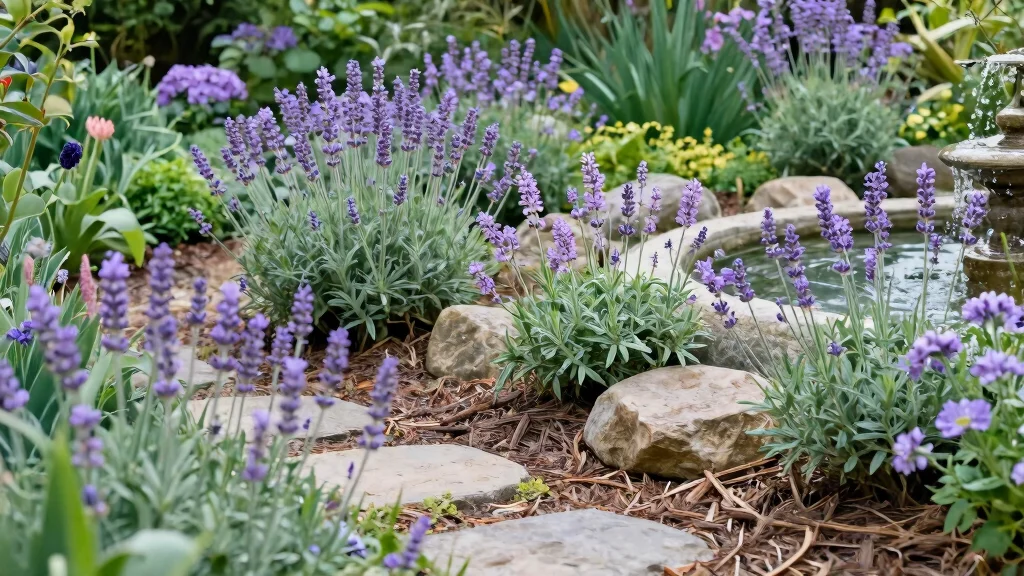
Creating a peaceful garden space can feel like a daunting task. With so many options out there, it’s easy to feel overwhelmed. But if you’re craving a serene retreat filled with calming colors and scents, you’re in the right place. This post is all about light purple flowers, known for their soothing qualities and elegance, adding a touch of tranquility to your garden.
If you’re someone who loves gardening and enjoys creating beautiful outdoor spaces, this guide is for you. Whether you’re a novice looking to spruce up your yard or an experienced gardener wanting to enhance your floral repertoire, you’ll find plenty of inspiration here. I’ve gathered eight stunning light purple flowers that not only look great but also bring a sense of calm when you step into your garden.
By the end of this article, you’ll have a list of elegant garden plants, tips for incorporating soothing flower colors, and several purple flower varieties to consider. Each flower on this list has its unique charm, making it easier for you to choose the right ones for your tranquil garden decor. Let’s jump in and explore these lovely light purple flowers that can turn your garden into a peaceful haven.
Key Takeaways
– Diverse Options: Discover eight light purple flowers, each with unique characteristics and growing conditions, perfect for any garden style.
– Lavender Blooms: Learn about lavender, not just for its beautiful blooms, but also for its calming fragrance and benefits for attracting pollinators.
– Elegant Plants: Explore other elegant garden plants like delphiniums and asters, which provide height and texture, enhancing your garden’s visual appeal.
– Soothing Colors: Understand how soothing flower colors can influence your mood and create a relaxing environment in your outdoor space.
– Practical Tips: Get practical insights on planting and caring for these flowers to ensure they thrive in your garden, allowing you to enjoy their beauty year after year.
Recommended Products

【Realistic Lavender Solar Garden Light】Designed with lifelike lavender petals, lush green leaves, and built-in LEDs, these lavender solar lights outdoor waterproof glow in a soft purple at night, adding elegance to your yard, garden, or pathway.

Lifelike artificial lavender, pure and elegant, can work with other silk flowers to create lovely bouquets for DIY floral arrangements decor ,that fits perfectly into your personal decor.

Looking for purple wedding fake flowers,Get beautiful for your big day like these artificial lavender bouquets. Purple fake lavender flowers create a romantic look that makes for a wonderful wedding.
1. Lavender (Lavandula)
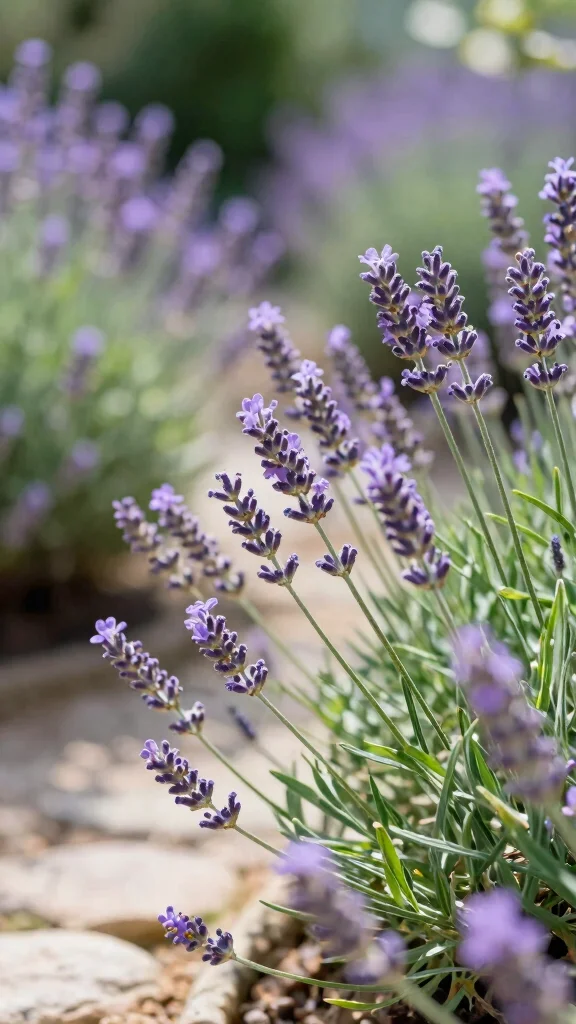
If you’re looking to infuse your garden with delightful fragrance and beauty, lavender is a must-have. With its stunning lavender spikes and soothing scent, this flower is sure to captivate your senses. Lavender thrives in sunny spots and well-draining soil, making it a favorite among both novice and experienced gardeners. Its ability to attract beneficial pollinators like bees and butterflies adds to its appeal, creating a vibrant ecosystem in your garden.
Start by selecting the right lavender variety for your climate; English lavender does well in cooler areas, while French lavender is ideal for warmer regions. Regular pruning promotes healthy growth, so don’t forget to give your plants some TLC. Water deeply but infrequently to prevent root rot, ensuring your lavender thrives all season long.
Key tips for growing lavender:
– Choose the right variety for your climate needs
– Prune regularly to encourage fresh blooms
– Water wisely to maintain healthy roots
With these simple steps, you’ll enjoy the calming beauty of lavender in your garden for many years.
Fun fact: A single lavender plant can attract 5-7 bees daily at peak bloom, boosting garden pollination by about 30%. Plant in sunny, well-drained soil to savor that calming fragrance and create a lively, tranquil space for your light purple flowers.
Recommended Products

Silk Material:This artificial delphinium flowers are made from premium silk and sturdy plastic stems, with wire wrapped inside, allowing for easy bending or trimming as needed.The realistic petal texture, gradient colors, and delicate ruffled flowers, resembling fresh delphiniums, faux delphinium flowers will add a touch of brilliance to any space you choose

SIZE AND QUANTITY: Artificial delphinium flower is about 34 inches(88 cm),total 23pcs flower heads, flower heads approx 1.96'' in diameter,packing include 10 pcs Delphinium branch

Premium Material Silk Flowers: The purple delphinium artificial flowers made of quality silk, with real touch and realistic looking. The extremely flexible stems are made of iron wire wrapped with plastic, so you can bend or cut them as you need for your purple flower arrangements artificial centerpiece
Lavender (Lavandula)
Editor’s Choice

Grenebo Gardening Tools 9-Piece Heavy Duty Garden Hand Tools with Fashio…


KVR Upgraded Garden Kneeler and Seat with Thicken & Widen Soft Kneeling …

COOLJOB 2 Pairs Gardening Gloves for Women Ladies, Breathable Rubber Coa…
2. Phlox (Phlox paniculata)
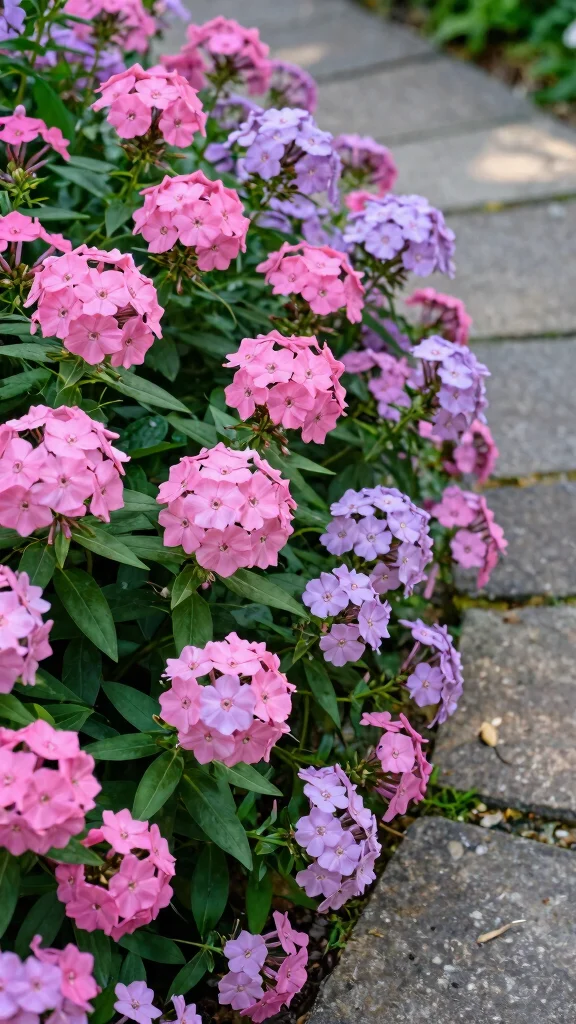
Bring a cheerful burst of light purple to your garden with phlox, a perennial favorite. These whimsical flowers bloom in delightful clusters, showcasing star-shaped petals that dance in the breeze. Thriving in well-drained soil and full sun or partial shade, phlox not only beautifies your space but also attracts butterflies, adding life to your garden.
To keep your phlox flourishing, deadhead spent blooms regularly to encourage new flowers. Managing humidity is crucial, as phlox can be prone to mildew, so ensure good air circulation. Pair these blooms with other vibrant perennials like daisies or coneflowers for a stunning garden display.
Essential care tips for phlox:
– Deadhead regularly to promote blooming
– Ensure good air circulation to prevent mildew
– Mix with other perennials for visual impact
The beauty and charm of phlox make it an ideal choice for enhancing your garden’s allure.
Recommended Products

High Germination Rate: aster seeds and asters perennial seeds sprout after 8-week cold stratification, thrive heirloom seeds in USDA 2–8 gardens. These starry blossoms of aster plant kicking purple symbolize elegance or daintiness.

NATIVE NORTH AMERICAN NEW ENGLAND ASTER SEEDS: Non-GMO open-pollinated perennial New England Aster (Symphyotrichum novae-angliae) widlflower seeds with high germination rates, adapted to USDA zones 3-8

3 LIVE PLANTS IN 4” POTS – READY TO PLANT : Get 3 live New England Aster plants (Symphyotrichum novae-angliae), each individually grown in a 4” pot. Not seeds—no germination guesswork. Plants arrive 4–8” tall and ready for successful transplanting.
📹 Related Video: How To Divide Tall Garden Phlox / Phlox paniculata
Phlox (Phlox paniculata)
Editor’s Choice

Japanese Weeding Sickle Very Sharp Edge Quick Work (Full Size)

XLUX Soil Moisture Meter (Since 2015) – Durable 304 Stainless Steel Prob…

Miracle-Gro Water Soluble All Purpose Plant Food – Fertilizer For All In…
3. Delphinium (Delphinium spp.)
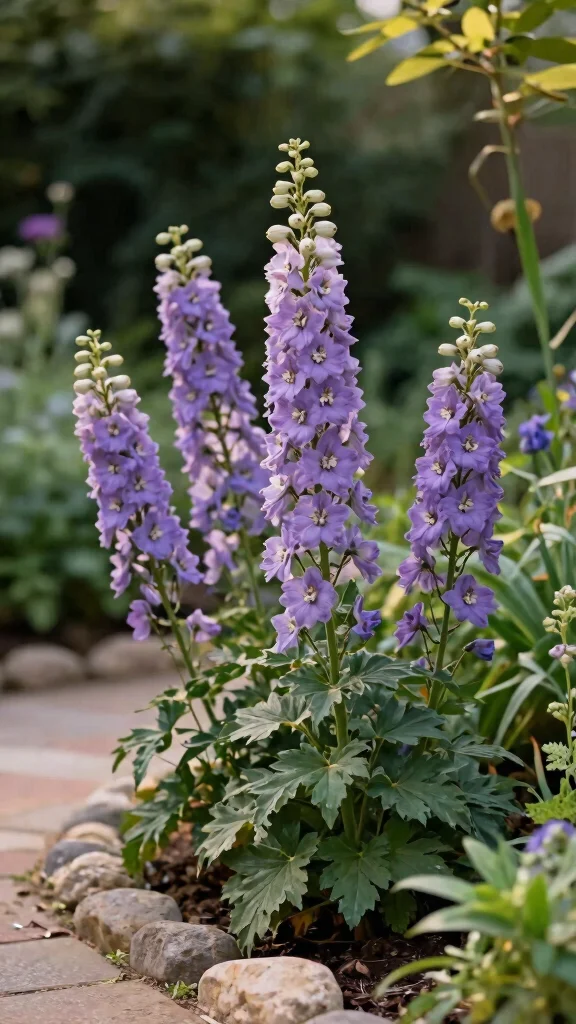
Delphinium adds a bold touch to your garden with its impressive tall spikes adorned with light purple blooms. Standing tall above other plants, these flowers create a striking focal point and are perfect for the back of flower beds. Delphiniums thrive in full sun and well-draining soil, reaching impressive heights that add vertical interest to any landscape.
For healthy delphiniums, consider staking taller varieties for support to prevent bending. Maintain consistent moisture in the soil and use a balanced fertilizer to promote vibrant blooms. These stunning flowers are also excellent for cutting gardens, making for beautiful floral arrangements.
Tips for growing delphiniums:
– Stake tall varieties for support
– Keep soil moist but well-drained
– Use balanced fertilizer for robust growth
With their breathtaking beauty, delphiniums can elevate any garden’s elegance and charm.
Recommended Products

Lavender Buds: Dried lavender buds, made from high quality French lavender, with elegant purple buds and a pleasantly fresh scents.

IMPORTED 100% RAW FROM FRANCE - This bag contains certified organic, lavender flowers from the fields of southern France.

Delphinium (Delphinium spp.)
Editor’s Choice

Landscape, Garden and Flower Bed Mulch, Red. Hardwood Mulch. 42 Quarts.
XLUX Soil Moisture Meter (Since 2015) – Durable 304 Stainless Steel Prob…

Plant Stakes 17inch &11inch SupKing Adjustable Length Plant Support Stak…
4. Aster (Aster spp.)
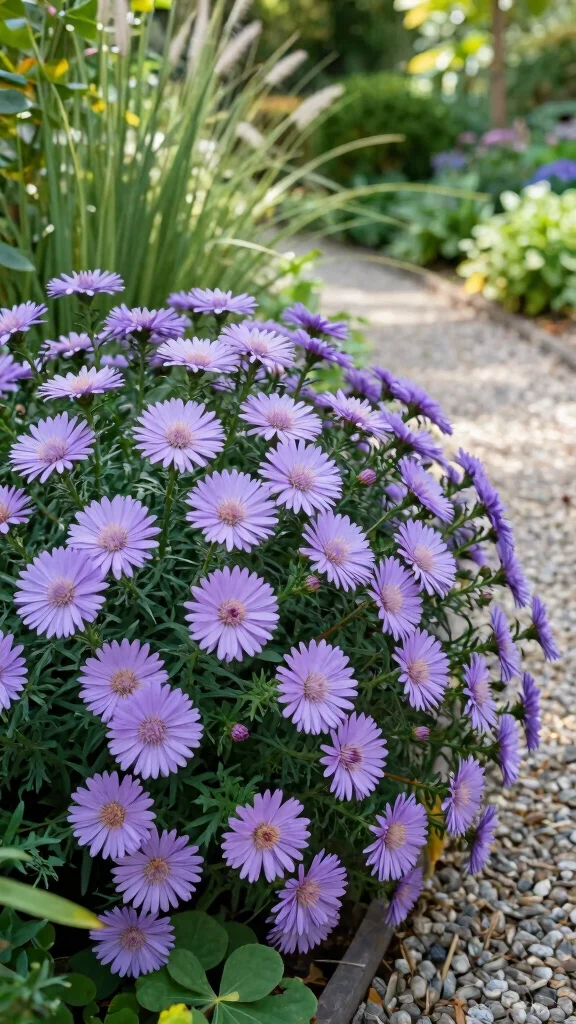
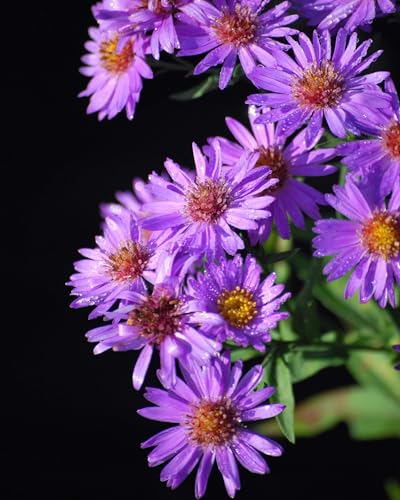
Asters are delightful perennial flowers that add a gentle touch of light purple hues to your garden. Perfect for extending the blooming season into late summer and fall, these daisy-like flowers provide color when many others have faded. Asters are easy to grow and thrive in various conditions, making them an excellent option for gardeners of all levels.
To ensure your asters stay healthy, apply mulch to retain moisture and suppress weeds. Dividing the plants every few years encourages vigorous growth and rejuvenation. Pair asters with goldenrod or ornamental grasses for a beautiful contrast in your garden.
Helpful tips for growing asters:
– Use mulch to retain moisture
– Divide periodically for new growth
– Plant with companions for visual variety
With their soft beauty, asters bring a tranquil charm to any garden setting.
Recommended Products

NATIVE BLUE SALVIA SEEDS - Victoria Blue Sage (Salvia farinacea) is a North American native wildflower species prized for heat tolerant plants and vivid blue flower spikes
When received, the plant will be in seasonal condition with appropriate foliage. If shipped between November 1st and March 1st, the plant may be dormant and trimmed. Plant is fully rooted in the pot ready for immediate planting

Ongoing Maintenance & Care Guide
Maintenance Schedule:
Daily/Weekly Tasks:
– Water your light purple flowers, especially in dry weather. Aim for about 1 inch of water per week, adjusting for rainfall. ⏱ About 10-15 minutes.
– Check for any wilted leaves or spent blooms. Remove them promptly to maintain appearance and plant health. ⏱ About 5-10 minutes.
– Inspect for pests, such as aphids or spider mites. Early detection makes control easier. ⏱ About 5 minutes.
Monthly/Seasonal Tasks:
– Fertilize your flowers once a month during the growing season. Use a balanced fertilizer to encourage growth and blooming. ⏱ About 15-20 minutes.
– Mulch around the base of your plants to retain moisture and suppress weeds. Replenish as needed, especially after heavy rains. ⏱ About 30 minutes.
– Prune any overcrowded or damaged stems to promote airflow and health. This can be done in spring or fall, depending on the type of flower. ⏱ About 20-30 minutes.
– Divide perennials every 2-3 years to prevent overcrowding and encourage vigorous growth. Spring or early fall is ideal. ⏱ About 1 hour.
Maintenance Summary Table:
| Task | Frequency | Difficulty | Time Needed |
|————————–|——————-|——————|——————|
| Watering | Daily/Weekly | Easy | 10-15 minutes |
| Deadheading | Daily/Weekly | Easy | 5-10 minutes |
| Pest Inspection | Daily/Weekly | Easy | 5 minutes |
| Fertilizing | Monthly | Easy | 15-20 minutes |
| Mulching | Monthly | Moderate | 30 minutes |
| Pruning | Seasonal | Moderate | 20-30 minutes |
| Dividing Perennials | Every 2-3 years | Moderate | 1 hour |
Common Issues to Watch For:
⚠️ Watch for these warning signs that indicate your light purple flowers may need attention:
– Wilting Leaves: If the leaves are drooping, it can mean they need water. Check the soil moisture to see if it’s too dry.
– Yellowing Foliage: This may indicate over-fertilization or a nutrient deficiency. Make sure you are using the right amount of fertilizer.
– Pest Infestation: Small insects or webbing can signal pests. Check the undersides of leaves for aphids or spider mites.
– Mold or Mildew: White powdery spots on leaves can indicate fungal issues. Ensure good air circulation and avoid overhead watering.
Care Tips:
💡 Here are some practical tips to keep your light purple flowers thriving:
– Choose the Right Location: Make sure your flowers get at least 6 hours of sunlight a day. This helps them grow strong and bloom beautifully.
– Water Deeply: When watering, do so deeply but infrequently. This encourages deep root growth. Aim for about 1-2 inches of water per week.
– Use Organic Mulch: Organic materials, like wood chips or straw, not only help retain moisture but also improve soil quality as they decompose.
– Stay Consistent: Keep up with the maintenance schedule. Regular care reduces the chance of issues and keeps your flowers looking their best.
– Join a Gardening Community: Engage with local gardening groups or online forums. Sharing tips and experiences can help you learn more about caring for your specific varieties.
By following these maintenance and care guidelines, your light purple flowers will thrive, enhancing the tranquil elegance of your garden.
Recommended Products

UV Resistant Fake Flowers for All Seasons: These artificial flowers for outdoors are crafted from UV resistant plastic. They withstand sunlight, rain, and wind without fading. Enjoy vibrant purple faux plants year-round with no upkeep.

Plus Tunic Tops for Women - Made of 95% Polyester 5% Spandex. Wear with our short sleeve tunic tops you will feel it is light & breathable, super soft as if you are not wearing clothes.
Add A Refreshing Touch To Any space: After a long day working, a quick glance at the desk plant can change your mood in a minute. Our small faux succulent is a must have item for room decor and office decor for women desk
Aster (Aster spp.)
Editor’s Choice

YAMRON 4-in-1 Soil Moisture Meter, Digital Plant Temperature/Soil Moistu…

Back to the Roots 25.7qt (1 Cubic ft) Organic Premium Mulch
5. Bellflower (Campanula spp.)
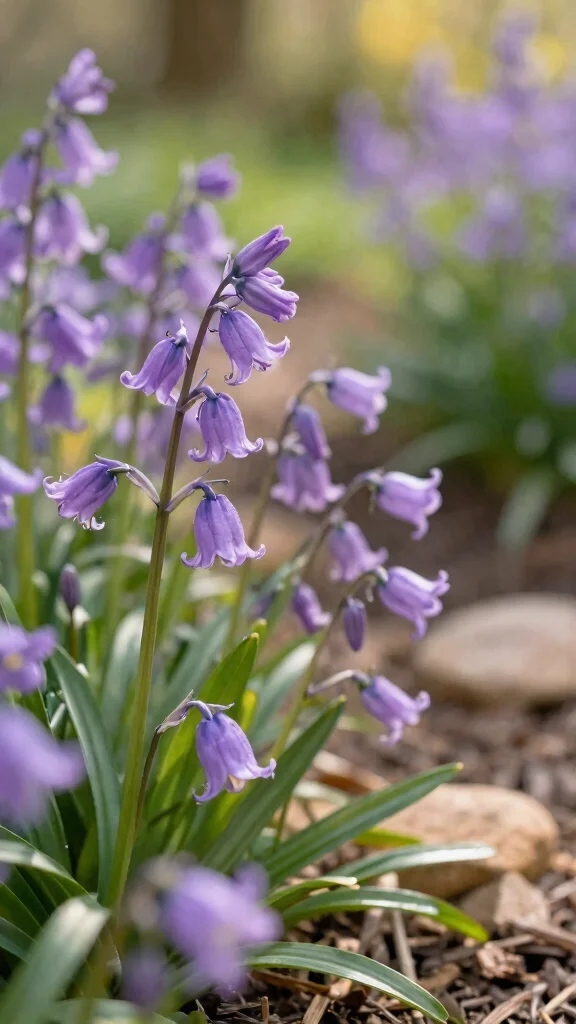
Bellflowers, known for their charming bell-shaped blooms, are a lovely addition to gardens that feature light purple flowers. These elegant perennials come in various heights and forms, making them versatile for different garden designs. Thriving in well-drained soil and full sun to partial shade, bellflowers not only enhance your garden’s beauty but also attract pollinators.
To keep bellflowers thriving, ensure they receive regular moisture, especially during dry spells. Pinching back stems early in the season encourages bushier growth, while grouping them together creates a stunning visual effect in flower beds.
Key care tips for bellflowers:
– Water regularly for consistent growth
– Pinch back for bushier plants
– Group plantings for visual impact
The soft hues and delicate shapes of bellflowers contribute to a calming atmosphere in any garden.
Fun fact: Bellflowers can attract 12–20 pollinator visits per hour during peak bloom. For best color, plant them in well-drained soil with full sun to partial shade. With light purple flowers, your garden stays calm, elegant, and buzzing with life.
Recommended Products

SIZE&QUANTITY: Artificial delphinium flower is about 33.5inches(85cm),total 22pcs flower heads, flower heads approx 1.5'' in diameter,packing include 4pcs Delphinium branch.The stem can be bent and adjusted.

You will get 4 pieces delphinium artificial flowers bulk with many small flower heads arranged in an orderly manner on the stems. The total length of each flower branch is about 33.5 inches/85 cm, which is perfect for tall vases. You can also easily cut or bend it to fit your vase according to your decoration needs.

Premium Long Stem Silk Flowers: ICBOX delphinium artificial flowers and artificial greenery clematis stems made of high quality silk, with real touch and realistic looking.The artificial delphinium mimic the natural beauty and delicate charm of real fresh delphinium. The larkspur floral stems have iron wire inside wrapped by plastic, which can be bent or cut to fit your DIY floral arrangements easily as you need for your artificial plant filler for flower arrangements
Bellflower (Campanula spp.)
Editor’s Choice

GROWIT Plant Moisture Meter – Accurately Tells You When to Water Your Pl…
Back to the Roots 100% Organic Mulch, 58 Quart, Expanding Coconut Husk B…

Miracle-Gro Water Soluble Bloom Booster Flower Food Fertilizer – 10-52-1…
6. Catmint (Nepeta spp.)
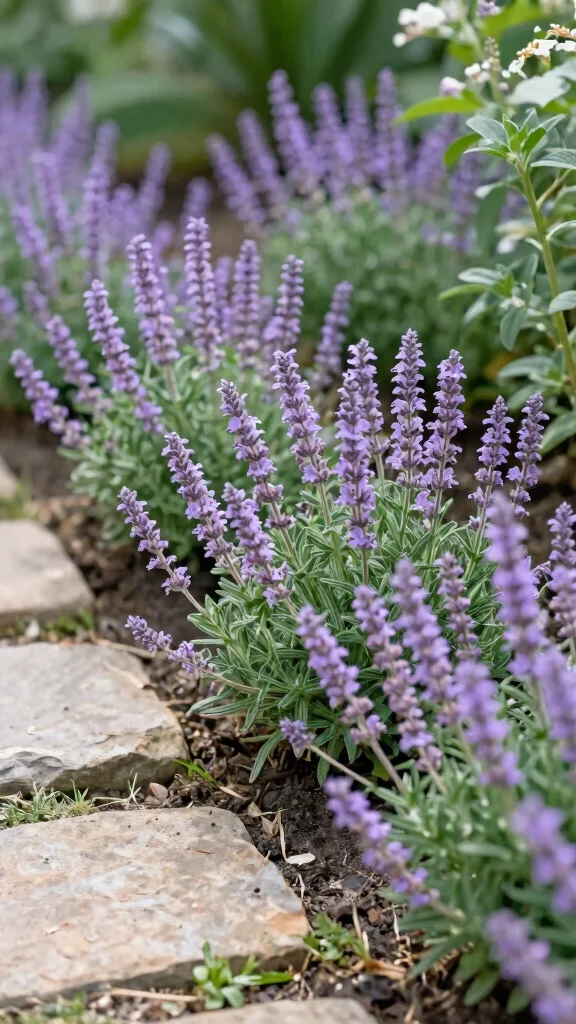
Catmint is an excellent choice for gardeners seeking an easy-care perennial that brings a soothing presence. With aromatic light purple blooms, this plant attracts beneficial insects while naturally repelling pests, making it a favorite among organic gardeners. Catmint flourishes in sunny locations with well-drained soil, providing a long blooming season that adds color and texture throughout summer.
To maintain healthy catmint, cut back after blooming for a second round of vibrant flowers. Avoid overwatering, as catmint prefers drier conditions; let the soil dry out between watering. Pair this beauty with other drought-resistant plants for a stunning garden display.
Essential tips for catmint care:
– Cut back after blooming for more flowers
– Avoid overwatering for healthy roots
– Combine with drought-resistant plants for variety
With their soft colors and delightful fragrance, catmint enhances the tranquility of your garden.
Recommended Products

When received, the plant will be in seasonal condition with appropriate foliage. If shipped between November 1st and March 1st, the plant may be dormant and trimmed. Plant is fully rooted in the pot ready for immediate planting

High Germination Rate: aster seeds and asters perennial seeds sprout after 8-week cold stratification, thrive heirloom seeds in gardens, Hardiness Zones 2–8. These starry blossoms of aster plant kicking purple symbolize elegance or daintiness.

Grow Heirloom Asters New England Aster Seeds.
Catmint (Nepeta spp.)
Editor’s Choice

Fiskars Bypass Pruning Shears, 5/8″ Cut Capacity Gardening Scissors, Sel…
Back to the Roots 25.7qt (1 Cubic ft) Organic Premium Mulch

Burpee Natural Purpose Granular 4-Lb Organic Food for Growing Strong Pla…
7. Japanese Iris (Iris ensata)
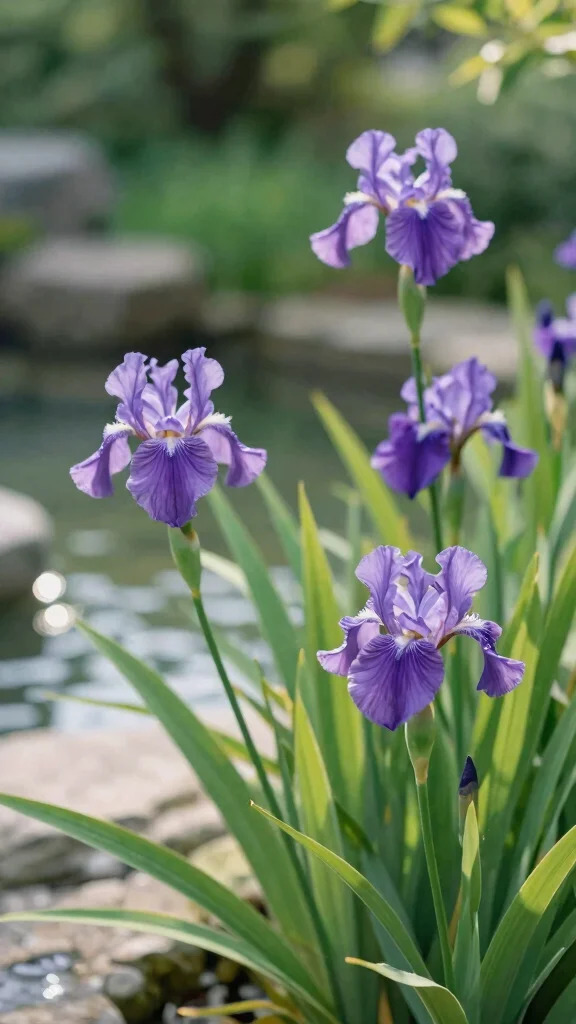
Japanese Iris is a stunning perennial known for its large, light purple blooms that elegantly float on sturdy stems. Thriving in moist, well-drained soil, these flowers are perfect for tranquil borders near water features or in shaded areas. Their unique shapes and colors add an exotic touch to any garden, making them a standout choice.
For optimal growth, ensure your Japanese Iris receives adequate moisture, especially near water sources. Fertilize lightly with a low-nitrogen formula to promote healthy blooms, and prune after flowering to encourage new growth for the following season.
Tips for growing Japanese Iris:
– Provide adequate moisture for thriving plants
– Use low-nitrogen fertilizer for blooms
– Prune after blooming for new growth
The elegance of Japanese Iris blossoms creates a peaceful oasis in your garden space.
Recommended Products
Premium Floral Essential Oils Set - This essential oil gift set is a collection of the 6 most popular scents that include lavender, rose, cherry blossom, gardenia, chamomile, and jasmine essential oils. Extracted from natural plant, nothing added. We offer the purest form of essential oils that you can find. Diffuser this collection in your home to enjoy the Intensely floral scent and a soothing aromatic experience.

OASIS OF TRANQUILITY- Discover the calming magic of A Lavender Day essential oil blend. This aromatic masterpiece encapsulates the essence of a serene, lavender field, presenting a tranquil and soothing floral aroma that will transport you to a world of relaxation. The scent is gentle yet captivating, for those seeking a moment of peace in their busy lives.

Reed Diffuser Set - Includes 6.7oz of essential oil with elegant bottle and Baby's Breath Flower. Enjoy prolonged and fragrance experience with Cocodor Flower scent diffuser
Japanese Iris (Iris ensata)
Editor’s Choice

Watering Can for Indoor and Outdoor Plants – Long Spout Water Can for Ga…
Burpee Natural Purpose Granular 4-Lb Organic Food for Growing Strong Pla…
XLUX Soil Moisture Meter (Since 2015) – Durable 304 Stainless Steel Prob…
8. Creeping Thyme (Thymus serpyllum)
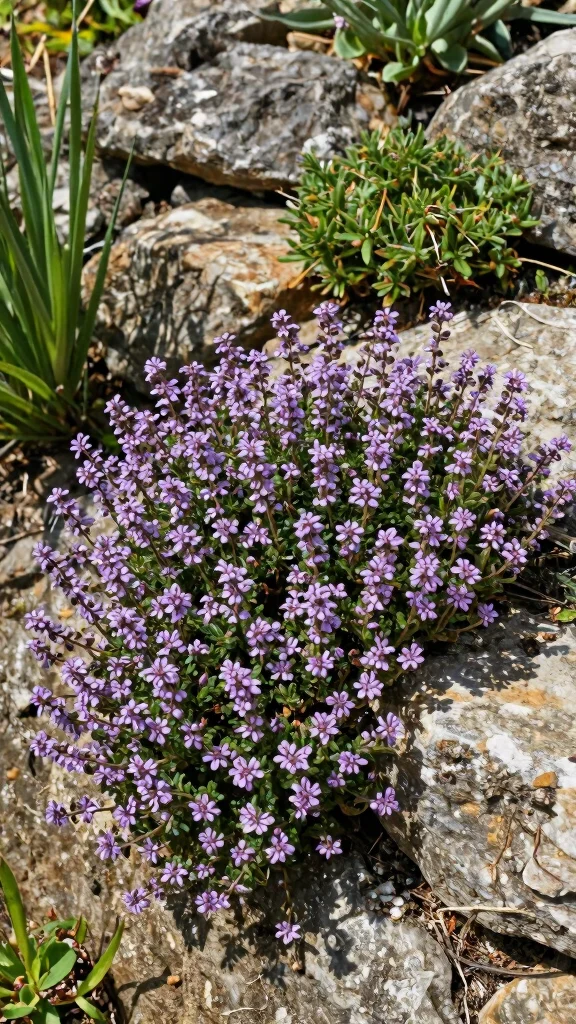
Creeping Thyme is a charming ground cover that showcases tiny light purple flowers, perfect for filling in gaps between stepping stones or garden paths. This hardy perennial thrives in full sun and is drought-resistant, making it an excellent option for low-maintenance gardens. Its small, aromatic leaves can also be harvested for culinary use, blending beauty and utility in your outdoor space.
To grow creeping thyme successfully, plant it in well-drained soil to prevent root rot. Trim back after flowering to keep the plant looking neat and promote vigorous new growth. Its creeping nature makes it a lovely addition to rock gardens or border areas, adding charm and color.
Growing tips for creeping thyme:
– Plant in well-drained soil for healthy growth
– Trim back after flowering for tidiness
– Use in rock gardens for added charm
The soft light purple flowers create a serene backdrop, making creeping thyme a unique and beautiful addition to your garden.
Fun fact: Creeping Thyme can reduce garden watering by up to 30% because it thrives in full sun and drought conditions. Its tiny light purple flowers brighten paths, and you can harvest aromatic leaves for cooking. Add it between stepping stones for a calm, low-maintenance touch.


Creeping Thyme (Thymus serpyllum)
Editor’s Choice

Miracle-Gro Potting Mix – For Container Plants, Flowers, Vegetables, Shr…

20000+ Creeping Thyme Seeds for Planting, Ground Cover Seeds, Fragrant L…

Sekcen 3 Pack Rubber Stepping Stones Outdoor Garden Rubber Pavers Pathwa…
Conclusion
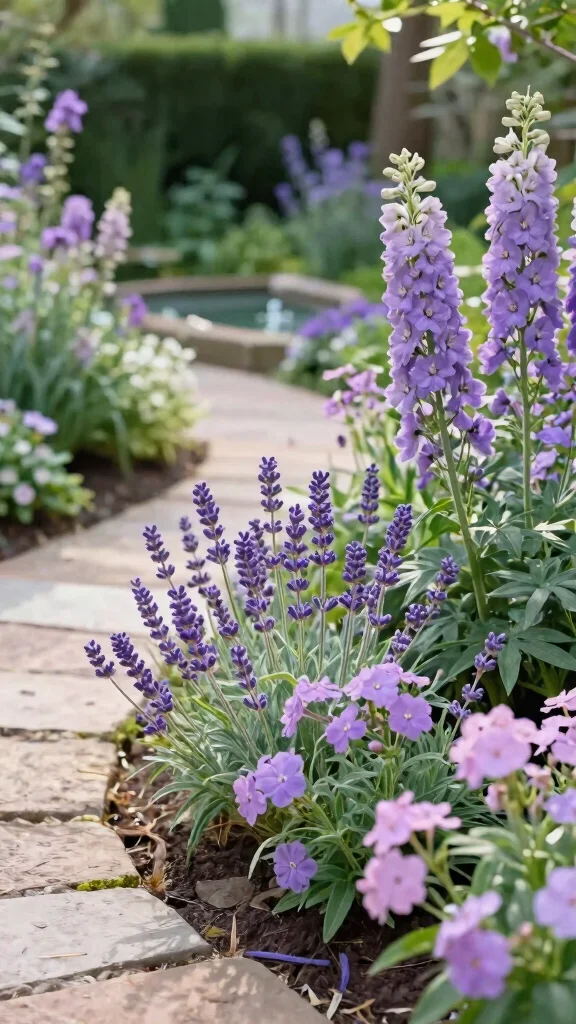
Incorporating light purple flowers into your garden can bring a sense of peace and elegance to your outdoor space.
These perennial varieties not only provide stunning visuals but also attract pollinators, making your garden a lively and tranquil haven.
Consider adding some of these beautiful blooms to your garden for a soothing atmosphere that invites relaxation and enjoyment.
Note: We aim to provide accurate product links, but some may occasionally expire or become unavailable. If this happens, please search directly on Amazon for the product or a suitable alternative.
This post contains Amazon affiliate links, meaning we may earn a small commission if you purchase through our links, at no extra cost to you.
Frequently Asked Questions
What are the best perennial light purple flowers to create calm elegance in a garden?
For a serene palette of light purple flowers, start with classic lavender blooms (Lavandula) for a scent-sational backbone, add catmint (Nepeta faassenii) with soft, silvery foliage, and mix in pale purple phlox and drift-worthy perennials for long-lasting color. These purple flower varieties bloom at different times, delivering continuous interest and calming garden decor. Plant in full sun with well-drained soil, water deeply but infrequently, and deadhead to encourage a second flush. Mulch in winter to protect roots.
Tip: group blooms in odd numbers and tuck them with ornamental grasses to boost the elegant garden plants vibe.
How can I design a garden bed using light purple flowers to maximize calm and elegance?
Start with a soft drift or a focal plant and plan color transitions from pale lilac to lavender. Place taller varieties toward the back and spillers at the front, then mix textures with airy grasses or silver foliage. Add a touch of white or pale green to brighten the scene and reinforce the idea of soothing flower colors for calming garden decor. Use a 2- to 3- plant rule in groups to keep things cohesive, and choose light purple flowers that bloom across the season so the bed stays lively.
Pro tip: incorporate a small seating area where the scent of lavender blooms can be enjoyed up close.
What care tips keep light purple flowers thriving year after year?
The key is consistent, plant-specific care. For lavender, choose well-drained soil, full sun, and prune after flowering to prevent woodiness. For nepeta and phlox, deadhead after the first flush to encourage a second bloom, watch for powdery mildew on phlox, and divide crowded clumps every 3–4 years. A light mulch helps conserve moisture and suppress weeds, while a balanced fertilizer in spring supports steady growth. With these steps your soothing flower colors stay vibrant and your calming garden decor remains intact.
Can I mix lavender blooms with other purple varieties for a cohesive look?
Yes. The trick is to blend shades from pale lilac to soft purple and keep similar sun and water needs. Pair lavender blooms with other purple flower varieties that share growth habits, and layer with different leaf textures to add depth. A touch of white or pale greens helps the palette breathe, supporting a tranquil calming garden decor and a layout of elegant garden plants. Plant in groups of 3–5 for rhythm and avoid crowding to maintain airflow and health.
Which light purple flowers are easiest for beginners and great for containers?
For easy containers, try Nepeta faassenii (catmint) for tough, drought-tolerant color, Lavandula angustifolia (English lavender) for fragrance and structure, and Salvia nemorosa (purple sage) for tall, lasting spikes. Use a premium, well-draining potting mix, ensure full sun, and water deeply but infrequently. Add a slow-release fertilizer at planting and give winter protection in cold zones. These light purple flowers perform beautifully in pots and deliver reliable calming garden decor and purple flower varieties season after season.
Related Topics
light purple flowers
lavender blooms
elegant garden plants
soothing flower colors
purple flower varieties
tranquil garden
perennial flowers
calming garden decor
easy gardening
seasonal blooms
garden aesthetics
flower arrangement