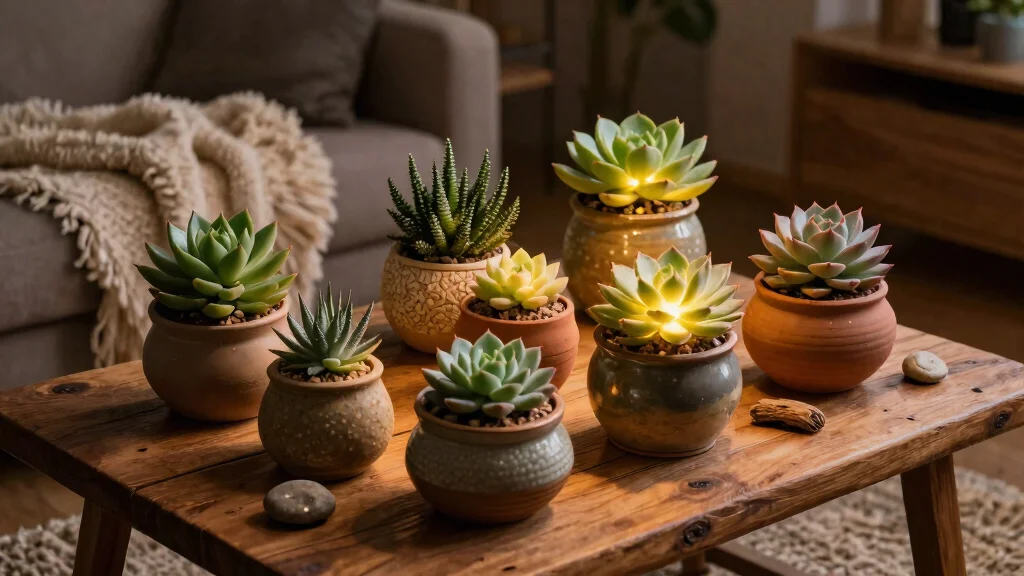
If you’ve ever walked into a dimly lit room and felt something was missing, you’re not alone. The cozy corners of our homes often need a touch of life, and what better way to achieve that than with the beauty of low light succulents? These fascinating plants thrive in minimal light, making them the perfect companions for your apartment’s darkest nooks. I created this guide because I know how hard it can be to find greenery that suits low-light conditions while still being easy to care for.
If you’re someone who loves indoor plants but struggles with the challenges of low light, this one’s for you. Whether you’re a busy professional, a student, or simply someone who appreciates the beauty of nature indoors, you’ll find these shade-loving succulents to be not just plants, but vibrant home decor. In this post, I’ll share nine incredible types of succulents that not only thrive in low light but also add character to your space. Each one is low maintenance, making your plant care journey as easy as it is enjoyable.
You’ll get to discover which plants are perfect for those dim corners and how to take care of them so they stay healthy and happy. Let’s dive into the world of easy care succulents that can transform your dark room decor into a lively sanctuary!
Key Takeaways
– Haworthia and ZZ Plant: These are excellent choices that thrive in low light, making them perfect for dark corners.
– Snake Plant: Known for its resilience, this succulent can tolerate neglect and low light conditions easily.
– Jade Plant: A popular indoor plant that not only thrives in low light but also symbolizes good luck and prosperity.
– Pothos: This trailing plant adds a beautiful touch to any room and is incredibly easy to propagate.
– Easy care tips: Regularly check for pests and provide occasional watering to keep your succulents thriving in less-than-ideal light.
1. Haworthia
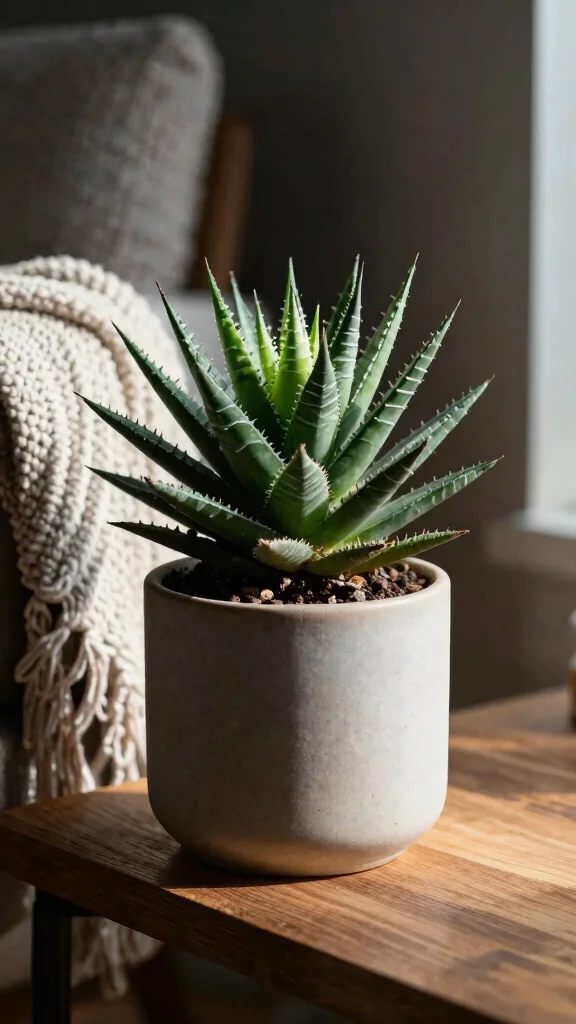
If you’re looking for a stylish succulent that thrives in low light, Haworthia is your go-to plant. Its beautiful green and white variegated leaves create a stunning visual, perfect for brightening up dim corners. This plant is not just easy on the eyes; it also requires very little maintenance, making it ideal for busy lifestyles. Its charming rosette shape and unique leaf texture give it a modern touch that fits perfectly in any indoor setting.
To keep your Haworthia healthy, focus on a few simple care tips. Make sure to allow the soil to dry out completely between waterings and place it in a shaded spot to avoid leaf burn. Opt for a well-draining cactus mix to prevent root rot, ensuring your plant thrives in its cozy nook.
Key care tips for Haworthia:
– Water sparingly: Allow soil to dry completely.
– Avoid direct sunlight: Keep in a shaded area.
– Use well-draining soil: A cactus mix is ideal.
With its chic look and low-maintenance nature, Haworthia is a fantastic addition to any indoor space.
Low light, high style: Haworthia proves you don’t need bright sun to keep a chic green rosette thriving. Place it in bright indirect light and water sparingly—these low light succulents stay easy to care for, adding variegated charm to dim corners with almost no effort.
📹 Related Video: How to take care of Haworthia fasciata “Zebra Plant”
Haworthia
Editor’s Choice

LEOTER Grow Light for Indoor Plants – Upgraded Version 80 LED Lamps with…


Altman Plants Deluxe Live Succulents (12 Pack), 6 Unique Varieties in Se…

4 Inch Ceramic Plant Pots with Drainage Holes and Trays, Adorable Small …
2. ZZ Plant (Zamioculcas zamiifolia)
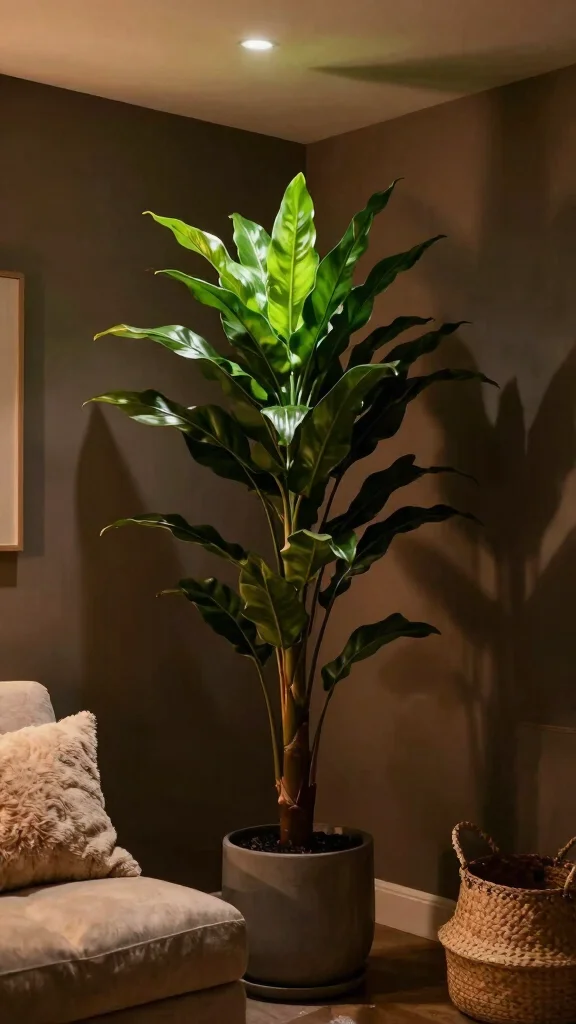
Looking for a plant that can thrive in low light and bring life to dull spaces? The ZZ plant is an excellent choice. Known for its glossy, dark green leaves, it adds a vibrant touch to even the gloomiest corners of your home. Its reputation for being nearly indestructible makes it perfect for those who may not have a green thumb. Plus, it can go weeks without water, making it a low-maintenance option for busy individuals.
To care for your ZZ plant effectively, stick to a few straightforward tips. Water it only when the soil is completely dry to avoid root rot, and remember to wipe the leaves occasionally to keep them dust-free. This plant thrives in indirect light, making it ideal for dark rooms and corners.
Essential care tips for ZZ plants:
– Water only when dry: Let soil dry completely.
– Keep it dust-free: Wipe leaves to help it breathe.
– Enjoy the low light: Thrives in indirect light.
Adding a ZZ plant to your decor not only enhances your space but also provides a resilient companion that requires minimal effort.
ZZ Plant (Zamioculcas zamiifolia)
Editor’s Choice

Costa Farms ZZ Live Plant in Plastic Pot, Easy to Maintain, Air Purifyin…

Xiaan Jiaju Tuscan Ceramic Plant Pots, 6.11 Inch Vintage Planters with D…
3. Snake Plant (Sansevieria)
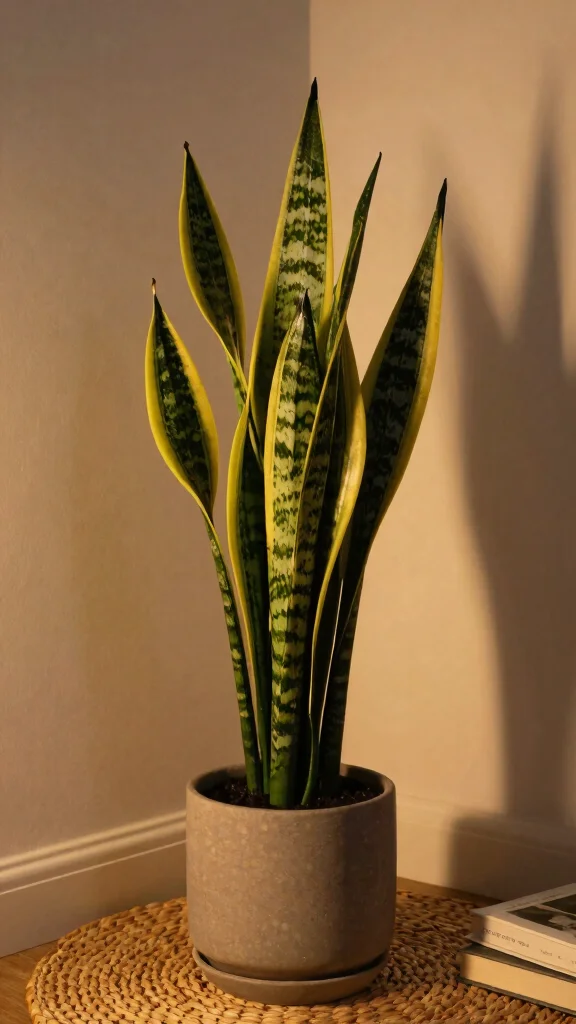
Snake plants are a popular choice for indoor plant lovers, thanks to their striking architectural shape and tall, vertical leaves. These hardy plants thrive in low light conditions, making them perfect for those dim corners in your home. With various sizes available, you can find petite options for tabletops or taller varieties that make a bold statement in any room.
For optimal care of your snake plant, consider a few practical tips. Water it only when the soil feels dry to the touch, as this plant prefers to be underwatered. While it tolerates low light, it enjoys bright, indirect sunlight, making it versatile for various spots in your home.
Care tips for snake plants:
– Limit watering: Water only when soil is dry to touch.
– Enjoy indirect light: Prefers bright, indirect sunlight.
– Easy propagation: Divide roots or use leaf cuttings.
By incorporating a snake plant, you not only enhance your indoor decor but also improve air quality, making it a practical and beautiful addition to your living space.
Ongoing Maintenance & Care Guide
Maintenance Schedule:
Daily/Weekly Tasks:
– Check Moisture Levels: Touch the soil. If it feels dry an inch down, it’s time to water. This takes about 5 minutes.
– Dust the Leaves: Use a damp cloth to wipe the leaves. This helps them absorb light better. Plan for around 5 minutes each week.
– Rotate Your Plants: Turn your pots every week for even light exposure. This takes just a couple of minutes.
– Inspect for Pests: Look closely at the leaves and soil for any bugs. This should take about 5 minutes each week.
Monthly/Seasonal Tasks:
– Watering Schedule: Water your low light succulents once a month, depending on your climate. This usually takes 15 minutes each month.
– Fertilize: Every 2-4 weeks during growing seasons, use a diluted succulent fertilizer. This should take about 10 minutes.
– Repotting: If you notice roots coming out of the drainage holes, it’s time to repot. This can take about 30 minutes.
– Trim Dead Leaves: Check for any dead or brown leaves. Prune them to keep your plant healthy. Allow about 10 minutes for this task.
– Seasonal Cleaning: Every few months, give your pots a good scrub. This helps prevent mold and pests. Plan for around 15 minutes.
Maintenance Summary Table:
| Task | Frequency | Difficulty | Time Needed |
|——————————–|————-|————|————–|
| Check Moisture Levels | Daily | Easy | 5 minutes |
| Dust the Leaves | Weekly | Easy | 5 minutes |
| Rotate Your Plants | Weekly | Easy | 2 minutes |
| Inspect for Pests | Weekly | Easy | 5 minutes |
| Watering | Monthly | Easy | 15 minutes |
| Fertilize | Monthly | Easy | 10 minutes |
| Repotting | As needed | Moderate | 30 minutes |
| Trim Dead Leaves | Monthly | Easy | 10 minutes |
| Seasonal Cleaning | Every few months | Easy | 15 minutes |
Common Issues to Watch For:
⚠️ Yellow Leaves: If your succulent’s leaves are yellowing, it means it’s getting too much water. Check the soil moisture and let it dry out before watering again.
⚠️ Wilting Leaves: This is a sign of underwatering. Make sure to check the soil regularly and water when needed.
⚠️ Browning Tips: If the tips of the leaves are browning, it could be due to too much direct sunlight. Move your plant to a shadier spot.
⚠️ Pest Infestation: Look for webbing or sticky residue on leaves. This can indicate pests. Treat immediately with insecticidal soap.
⚠️ Mold Growth: If you see mold on the soil surface, it indicates overwatering. Reduce watering frequency and improve air circulation around the plant.
Care Tips:
💡 Choose the Right Spot: Place your low light succulents in a location with indirect sunlight. They can thrive in dim corners, just make sure they get some light throughout the day.
💡 Potting Mix: Use a well-draining soil mix designed for succulents. This helps prevent root rot, which is a common issue with too much moisture.
💡 Watering Technique: When you water, do so thoroughly until water drains out the bottom. Then let the soil dry out completely before watering again.
💡 Avoid Over-fertilization: Too much fertilizer can burn the roots. Stick to a diluted solution and follow the package recommendations.
💡 Watch the Temperature: Keep your indoor succulents in a stable temperature range. They prefer warmth but should avoid extreme heat or cold drafts.
Snake Plant (Sansevieria)
Editor’s Choice

Utopia Home Plant Pots Indoor with Drainage Holes – Set of 5 White Pla…
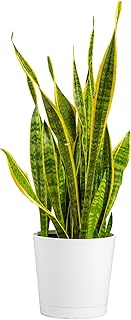
Costa Farms Snake Plant, Mother-in-Law’s Tongue Live Plant in Decorative…

BKSAI Hanging Plant Plant Watering Bottle Update Multifunction Watering …
4. Jade Plant (Crassula ovata)
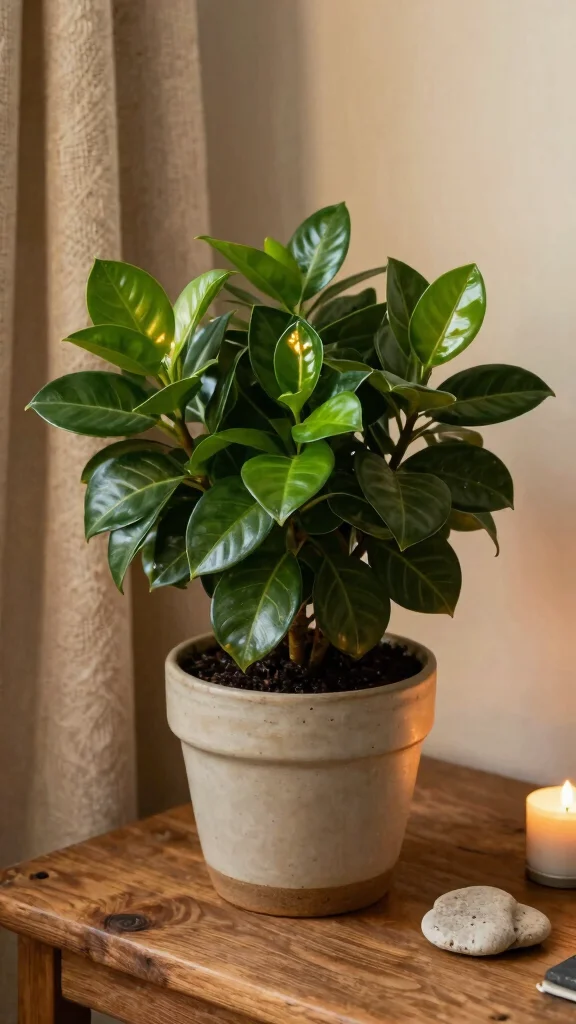
Jade plants are adored for their thick, fleshy leaves that store water, making them incredibly resilient and perfect for low-light environments. Their striking appearance can create a captivating display in any room. Originally from South Africa, these plants are also believed to bring luck and prosperity, adding a positive vibe to your indoor garden.
For maintaining your jade plant, follow some simple care tips. Water it less frequently, allowing the soil to dry out between waterings, usually every 2-3 weeks. While they can handle low light, they flourish with a bit of indirect sunlight, so keep this in mind for optimal growth.
Helpful care tips for jade plants:
– Water less often: Let soil dry between waterings.
– Bright but indirect light: Flourishes with some sunlight.
– Prune regularly: Keep plant bushy and compact.
This charming plant not only enhances your decor with its lush leaves but also requires minimal effort, making it a fantastic choice for any indoor space.
Jade plants store water in thick leaves, letting them survive with watering about every 2–3 weeks. For low light succulents, that resilience means you can skip weekly routines and still see steady growth in dark rooms.
Jade Plant (Crassula ovata)
Editor’s Choice

XLUX Soil Moisture Meter (Since 2015) – Durable 304 Stainless Steel Prob…

Miracle-Gro Indoor Plant Food for Cactus and Succulent, Liquid Plant Foo…

Ceramic Modern Glaze Succulent Planter Pot with Drainage Hole and Saucer…
5. Pothos (Epipremnum aureum)
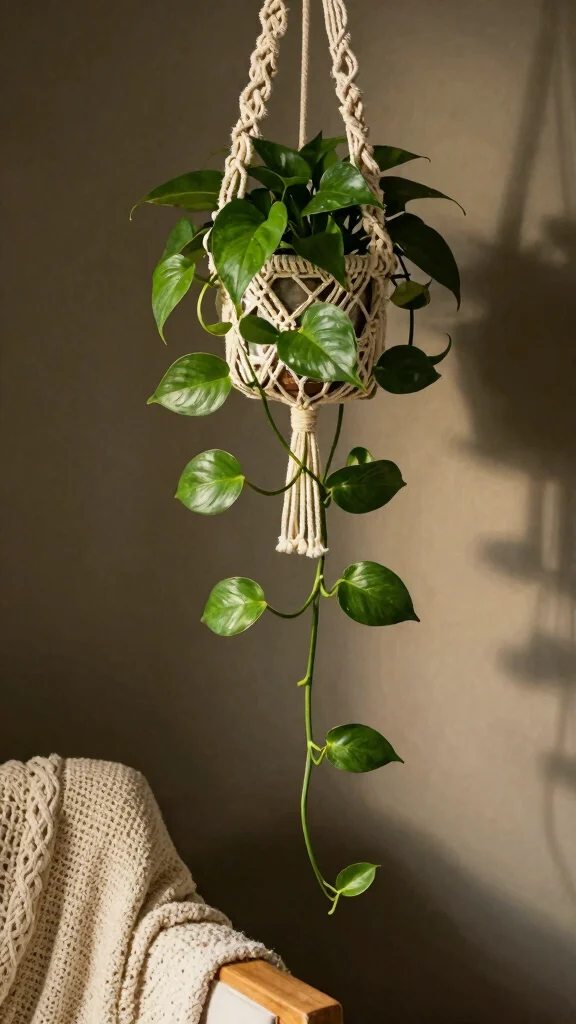
While not a traditional succulent, Pothos is a fantastic low-light option that adds a lush, trailing effect to your indoor spaces. With its heart-shaped leaves and easy care requirements, it’s a favorite among plant enthusiasts. Pothos can thrive in various light conditions but truly enjoys the shade, making it perfect for darker corners in your home.
For the best care of your Pothos, monitor the soil moisture and water only when it’s dry. Regular trimming encourages bushier growth and helps manage its length, ensuring it stays beautiful and vibrant. Hanging it in a macrame planter can create a stunning cascading effect.
Key care tips for Pothos:
– Water when soil is dry: Avoid overwatering.
– Trim when needed: Encourages bushier growth.
– Create a hanging display: Use macrame planters for effect.
Pothos not only beautifies your space but also purifies the air, making it a lovely and beneficial addition to your home.
Pothos (Epipremnum aureum)
Editor’s Choice

Mkono Macrame Plant Hanger Indoor Hanging Planter Basket with Wood Beads…

Melphoe 25Pcs Mini Garden Hand Transplanting Succulent Tools Set, 39.4″ …

Costa Farms Live Indoor Plant Golden Pothos, Easy Care Houseplant, 10-In…
6. Echeveria
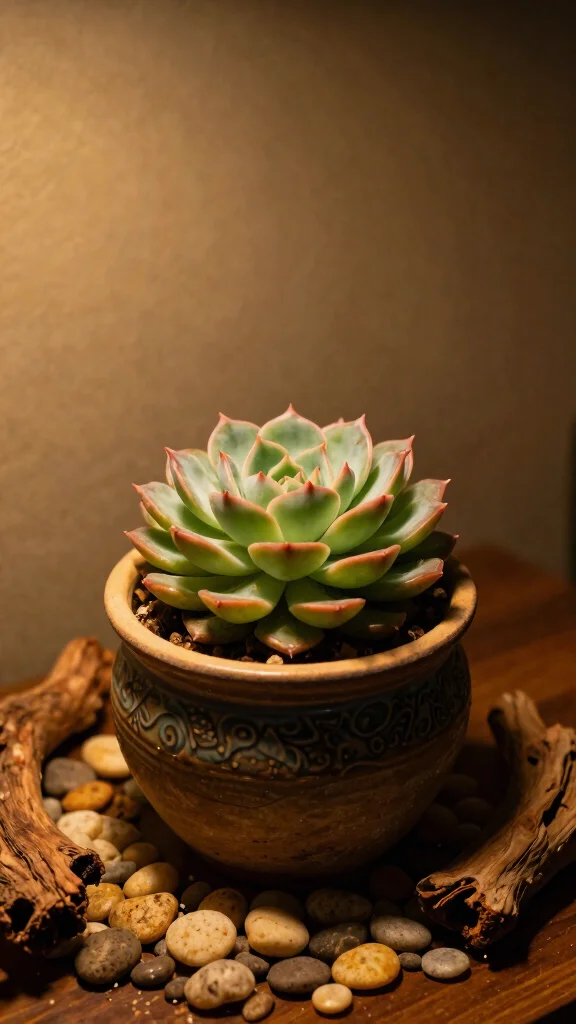
Echeveria succulents are celebrated for their stunning rosette shapes and vibrant colors, ranging from deep greens to soft pinks. These low-maintenance plants are perfect for adding a splash of color to dim corners, as they thrive in low light. Their unique textures make them visually captivating and an excellent choice for any indoor garden.
For proper Echeveria care, water them only when the soil is dry, as they prefer to stay on the drier side. While they can handle some sunlight, they do best in low light environments. Using a gritty soil mix will help prevent rot, ensuring their longevity.
Important care tips for Echeveria:
– Moderate watering: Water when soil is dry.
– Indirect light is key: Thrives in low light.
– Use a gritty soil mix: Prevents root rot.
Incorporating Echeveria into your space adds an artistic flair that transforms even the dullest corners into beautiful decor.
Fun fact: Echeveria can keep their color in rooms with just 2–3 hours of bright indirect light, proving they’re true low light succulents. About 60% of urban renters report thriving color when placed in dim corners. Water sparingly; let the soil dry between drinks.
Echeveria
Editor’s Choice
XLUX Soil Moisture Meter (Since 2015) – Durable 304 Stainless Steel Prob…

ZOUTOG Succulent Pots 3.1 Inch,6 Pack Succulent Planters,Small Pots for …

rePotme Echeveria and Agave Succulent Potting Soil Mix – Imperial Blend …
7. String of Hearts (Ceropegia woodii)
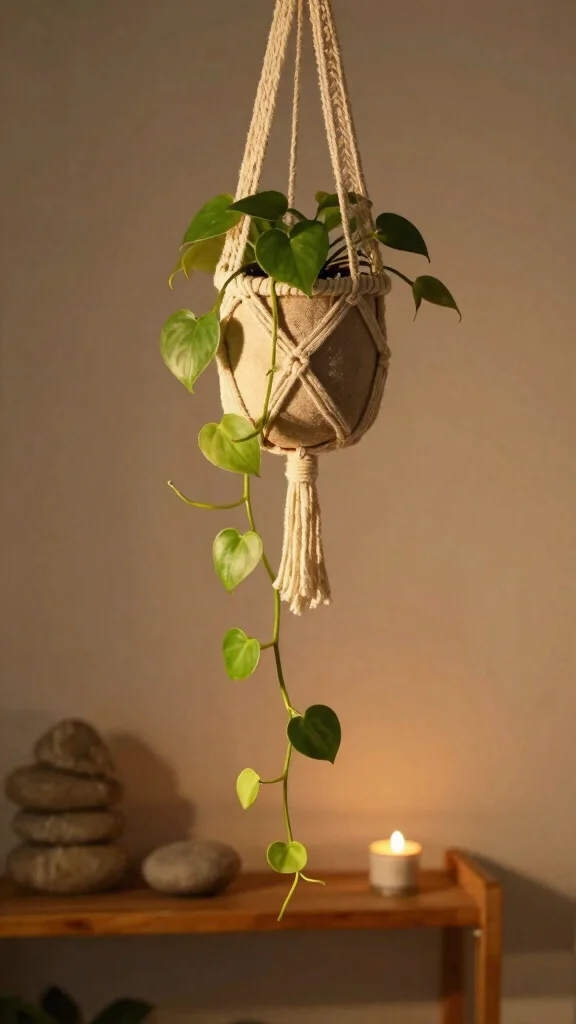
String of Hearts is a delightful succulent featuring delicate, heart-shaped leaves that dangle beautifully from its trailing vines. This low-light succulent thrives in dim conditions, making it a perfect choice for brightening shelves or hanging planters in your home. Its whimsical appearance adds a charming touch to any decor style.
To care for your String of Hearts, water sparingly, allowing the soil to dry out completely before the next watering. It loves low light but can tolerate some indirect sunlight. Propagation is simple; just take cuttings and place them in soil to grow new plants.
Essential care tips for String of Hearts:
– Water sparingly: Let soil dry out completely.
– Dangle in low light: Thrives in dim conditions.
– Propagation is easy: Use cuttings to grow new plants.
With String of Hearts, you can create a lovely cascading effect that brightens dark spaces while being incredibly easy to care for.
String of Hearts (Ceropegia woodii)
Editor’s Choice

Miracle-Gro Cactus, Palm and Citrus Potting Mix, for Indoor or Outdoor P…

GooingTop LED Grow Light,6000K Full Spectrum Clip Plant Growing Lamp wit…
Mkono Macrame Plant Hanger Indoor Hanging Planter Basket with Wood Beads…
8. Aloe Vera
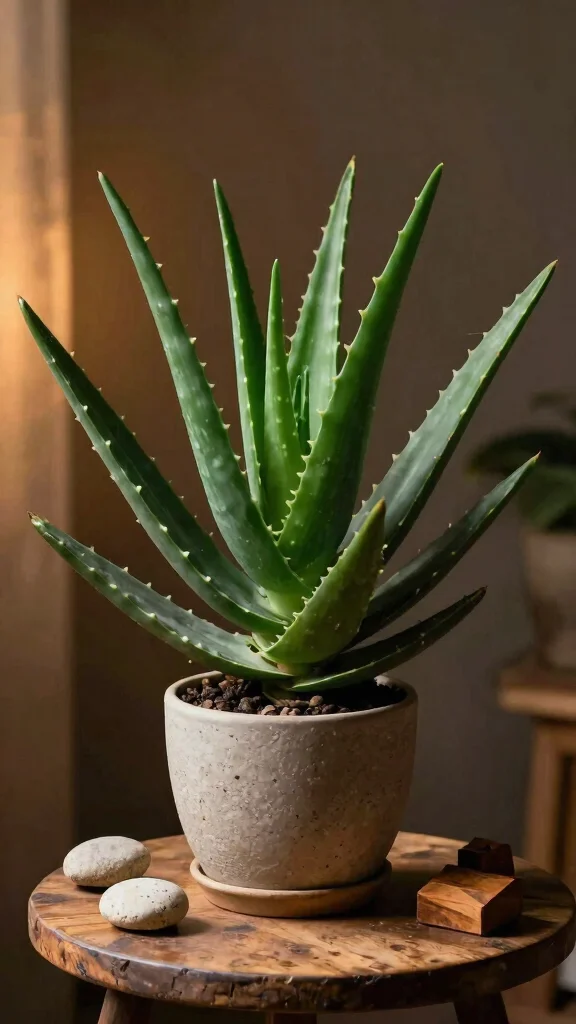
Aloe Vera is renowned not only for its healing properties but also as an excellent low-light option for indoor gardening. Its thick, fleshy leaves make a striking visual impact, ideal for brightening up dim areas. Beyond its aesthetic appeal, Aloe Vera also purifies the air and requires minimal care, making it a must-have for any plant lover.
For Aloe Vera care, water only when the soil is dry to prevent root rot. While it can handle low light, it thrives with some indirect sunlight, so try to position it accordingly. You can also harvest the leaves for their soothing gel, just be cautious not to harm the plant.
Key care tips for Aloe Vera:
– Water only when dry: Allow soil to dry between waterings.
– Bright indirect light: Thrives on some sunlight.
– Harvesting the leaves: Cut carefully for gel.
Having an Aloe Vera plant not only beautifies your home but also offers health benefits, making it a perfect addition to your indoor garden.
Aloe Vera
Editor’s Choice
Miracle-Gro Cactus, Palm and Citrus Potting Mix, for Indoor or Outdoor P…
ZOUTOG Succulent Pots 3.1 Inch,6 Pack Succulent Planters,Small Pots for …

Costa Farms Aloe Vera Live Plant in Decorative Pot, Easy to Maintain, Ai…
9. Gasteria
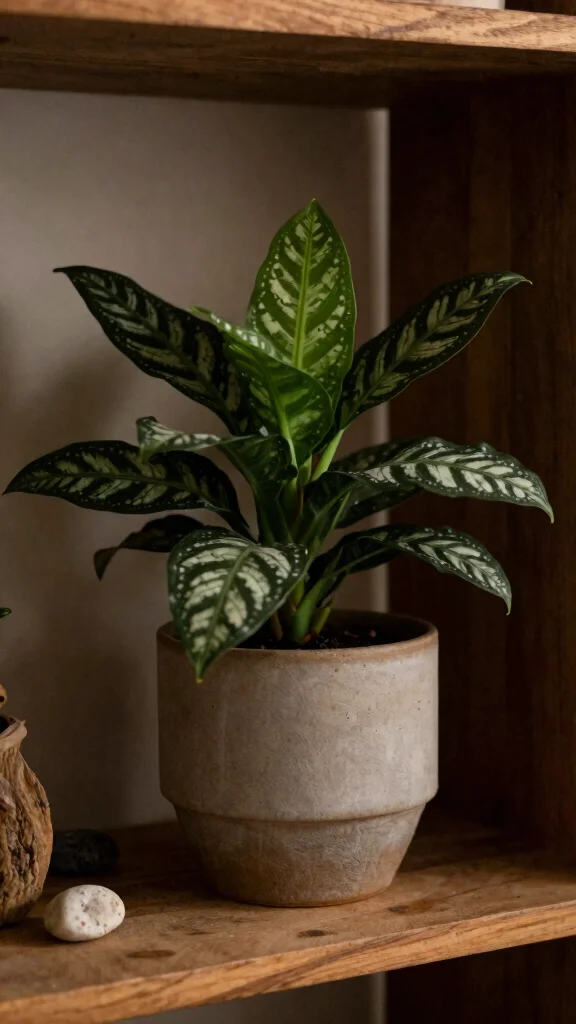
Gasteria is a lesser-known succulent that excels in low light conditions, featuring thick leaves that can form rosettes or clusters. These resilient plants are perfect for brightening up dim corners with their interesting leaf patterns and shades of green. Their ability to withstand neglect makes them a favorite among new indoor gardeners.
For Gasteria care, remember to water when the soil is dry and let it dry out completely between waterings. While they can tolerate low light, a little brightness can help them thrive. Using a diluted fertilizer during the growing season will enhance their growth and vitality.
Helpful care tips for Gasteria:
– Water when dry: Allow soil to dry completely.
– Low indirect light: Thrives with some brightness.
– Fertilize sparingly: Use diluted fertilizer during growth.
With Gasteria in your collection, you’ll enjoy a unique and easy-care succulent that adds character to any indoor space.
Gasteria
Editor’s Choice

Plants for Pets Live Low Light House Plants in Ceramic Succulent Pots (3…
Utopia Home Plant Pots Indoor with Drainage Holes – Set of 5 White Pla…
Miracle-Gro Cactus, Palm and Citrus Potting Mix, for Indoor or Outdoor P…
Conclusion
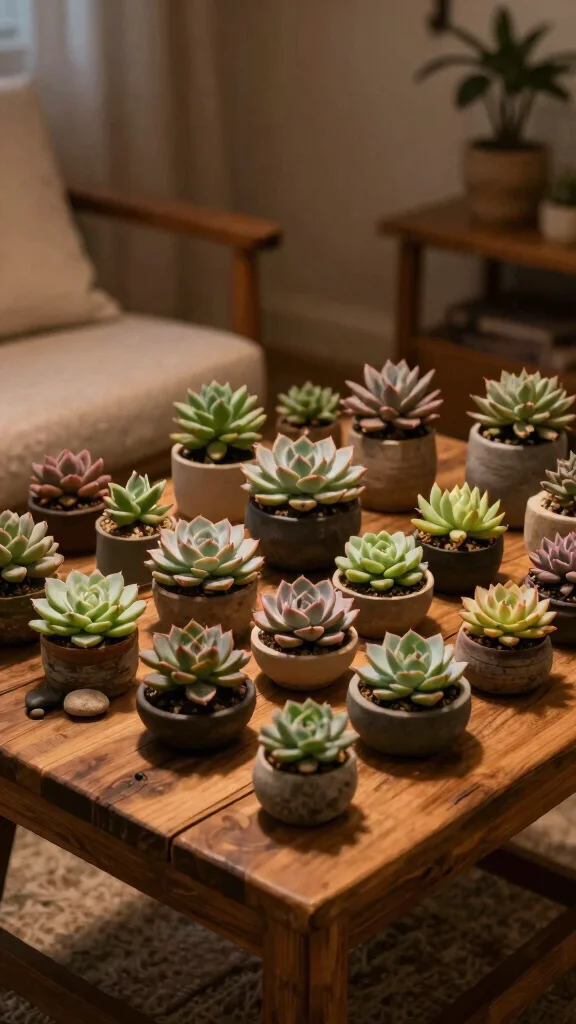
Low light succulents are perfect companions for those with dim corners or dark room spaces—providing beauty without the fuss.
From Haworthia to Gasteria, these low maintenance plants thrive and add a touch of greenery to your indoor environment.
Embrace the beauty of these easy-care succulents and transform your apartment living experience. Let your shades of green flourish even in the dimmest of places!
Note: We aim to provide accurate product links, but some may occasionally expire or become unavailable. If this happens, please search directly on Amazon for the product or a suitable alternative.
This post contains Amazon affiliate links, meaning we may earn a small commission if you purchase through our links, at no extra cost to you.
Frequently Asked Questions
What exactly qualifies as a low light succulent and how do I choose one for a dark room or dim corner?
A true low light succulents tolerate less direct sun and still stay compact and healthy. When choosing for a dark room, look for species known to thrive in shade—common examples include Haworthia and Gasteria, plus shade-tolerant Crassula varieties. Check for sturdy, compact growth, leaves that store moisture, and no signs of etiolation (stretching). If you’re unsure, start with an easy-care option from a reputable nursery and place it where it gets bright indirect light. In very dim spaces, supplement with a few hours of bright indirect light daily or use a compact grow light a few times per week to keep growth even.
How often should I water low light succulents in a dim apartment?
With low light succulents, water sparingly and only when the soil is completely dry. Use the soak-and-dry method: water thoroughly until you see drainage, then let the soil dry fully before the next watering. In a dim room, growth slows, so you’ll typically water every 2–6 weeks depending on pot size, soil mix, and humidity. Always use a pot with drainage. Watch for signs: overwatering shows as soft, mushy leaves; underwatering shows as wrinkled leaves. When in doubt, err on the side of under-watering to keep roots healthy.
Where is the best place to position low light succulents in a small apartment to keep them healthy and looking great?
Aim for bright, indirect light—an east or north-facing window is ideal for many low light succulents. In a very dim apartment, group them on shelves near a light source or add a small grow light to supplement. Reflective surfaces like mirrors or white planters can help bounce light onto the leaves. Keep plants away from direct heat vents or harsh afternoon sun, and rotate them every couple of weeks so growth stays even. For dark room decor, use decorative planters and stagger heights to create visual interest.
Are low light succulents maintenance-free, or do they still need regular care?
They’re low maintenance, not maintenance-free. Use a gritty, well-draining soil mix and a pot with drainage. Water sparingly and let the soil dry between waterings; in winter you may water even less. Fertilize lightly once or twice during the growing season (spring/summer). Repot every 1–2 years or when roots fill the pot, and prune any leggy growth to keep a neat shape. Wipe dust from leaves occasionally to improve light absorption and keep them looking vibrant.
What are the best styling ideas to use low light succulents for dark room decor in apartments?
styling with low light succulents can elevate dark room decor. Use light-colored pots to reflect whatever light you have, and group 3–5 plants at varying heights on shelves or a coffee table. Mix textures by adding a few other indoor plants for contrast. If space is tight, try wall-mounted planters or a small terrarium to maximize vertical space. Pair with warm LED lighting to highlight the greens without overpowering the room, and keep plants away from direct heat sources for best color and growth.
Related Topics
low light succulents
indoor plants
shade-loving succulents
easy care succulents
dark room decor
low maintenance plants
apartment gardening
beginner friendly
dim corners
small space plants
houseplant care
indoor gardening