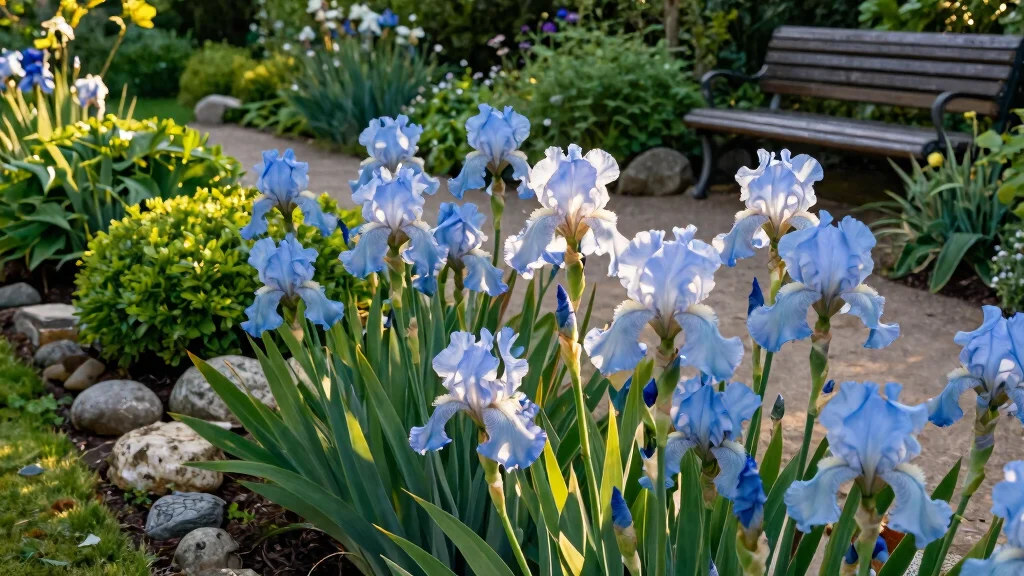
Finding the perfect flowers for your garden can sometimes feel overwhelming, especially when you want to create a delicate and elegant atmosphere. That’s why I put together this post—it’s all about light blue iris flowers. These stunning blooms not only add a gentle touch to your garden but also boast a range of varieties that can suit any style or design. If you’ve been craving that tranquil vibe in your outdoor space, you’re in for a treat!
If you’re someone who loves gardening, especially perennial border gardens, this article is tailored just for you. Whether you’re a seasoned gardener or just starting, understanding how to care for iris flowers and incorporating them into your design can be a game changer. You’ll find not only a list of nine beautiful light blue iris varieties but also tips on care and placement to ensure your garden shines.
By the end of this guide, you’ll have a vibrant collection of ideas and inspiration to create an elegant garden display. You’ll learn about the unique charm each iris brings, from the classic Siberian Iris to the delightful Iris ‘Baby Blue Eyes.’ Let’s dive into this enchanting world of light blue irises and transform your garden into a peaceful retreat.
Key Takeaways
– You’ll discover nine beautiful varieties of light blue iris flowers that will elevate your garden’s aesthetic.
– Each iris type comes with specific care instructions, helping you choose the most suitable ones for your gardening experience.
– The list includes both traditional and unique options, ensuring diversity in your floral design.
– Incorporating these irises can enhance your garden’s color palette, creating a delicate and elegant display.
– Practical tips on garden design will empower you to create a harmonious space filled with lovely perennial flowers.
1. Siberian Iris (Iris sibirica)
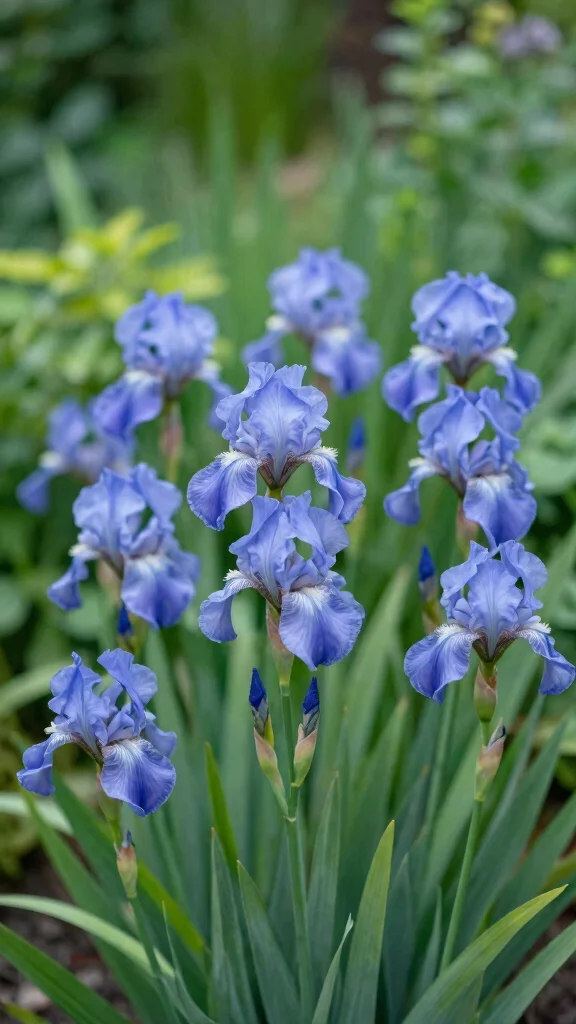
If you’re looking for a stunning addition to your garden, consider the Siberian Iris. Its elegant, slender petals dance gently in the wind, creating a picturesque scene. These perennials are not only beautiful but also incredibly resilient, thriving in various soil types and conditions, making them a versatile choice for any gardener.
Light blue varieties of Siberian iris, often highlighted with subtle yellow accents, bring a calming presence to your landscape. Blooming from late spring to early summer, they create a vibrant display that’s sure to allure butterflies and bees. For the best effect, plant them in clusters to amplify their visual impact.
Key benefits of Siberian Iris:
– Thrives in diverse soil conditions
– Attracts pollinators like butterflies
– Provides vertical interest in garden beds
With their low-maintenance needs and striking appearance, Siberian Irises will enhance your garden’s charm and biodiversity effortlessly.
Fun fact: Siberian iris shrug off poor soil and tough conditions, with light blue iris blooms lasting 4-6 weeks in late spring. Plant several varieties for a calming, resilient border that shines year after year.
Ongoing Maintenance & Care Guide
Maintaining your light blue iris flowers is essential for a thriving garden display. These stunning blooms add elegance to your landscape, but they need proper care to flourish. Here’s a practical guide to help you keep your irises looking their best.
Maintenance Schedule:
Daily/Weekly Tasks:
– Water your irises regularly, especially during dry spells. Aim for about 1 inch of water weekly. ⏱ 10 minutes.
– Remove any dead foliage or spent flowers to encourage new growth. ⏱ 15 minutes.
– Check for pests, such as aphids or slugs. If you spot any, take action right away. ⏱ 5 minutes.
Monthly/Seasonal Tasks:
– Fertilize with a balanced fertilizer in early spring as growth begins. Use about 1 cup per square foot. ⏱ 20 minutes.
– Divide the rhizomes every 3 to 5 years to prevent overcrowding. This should be done in early fall. ⏱ 30-40 minutes.
– Mulch around the base of the plants to retain moisture and suppress weeds. Use a 2-inch layer of organic mulch. ⏱ 30 minutes.
– Inspect for diseases like root rot. Remove any affected plants immediately to prevent spreading. ⏱ 15 minutes.
– Clean up your garden in late fall, removing debris and dead plant material. ⏱ 30 minutes.
Maintenance Summary Table:
| Task | Frequency | Difficulty | Time Needed |
|——————————–|——————-|————–|————–|
| Watering | Weekly | Easy | 10 minutes |
| Deadhead flowers | Weekly | Easy | 15 minutes |
| Pest check | Weekly | Easy | 5 minutes |
| Fertilization | Monthly | Easy | 20 minutes |
| Rhizome division | Every 3-5 years | Moderate | 30-40 minutes|
| Mulching | Monthly | Easy | 30 minutes |
| Disease inspection | Monthly | Moderate | 15 minutes |
| Garden cleanup | Seasonal (Fall) | Easy | 30 minutes |
Common Issues to Watch For:
⚠️ Wilting Leaves: This often indicates a lack of water. Check the soil moisture and water immediately.
⚠️ Yellowing or Browning Leaves: This could mean overwatering or nutrient deficiencies. Test the soil’s drainage and consider fertilizing.
⚠️ Visible Pests: If you notice small insects on the leaves, act quickly. They can damage your plants. Use insecticidal soap if needed.
⚠️ Fungal Growth: Look for gray mold or white powdery spots. These are signs of fungal issues, often due to poor airflow or excessive moisture. Improve ventilation and reduce watering.
⚠️ Stunted Growth: If your irises aren’t growing well, check for overcrowding or root rot. You may need to divide the plants.
Care Tips:
💡 Plant in Well-Drained Soil: Irises thrive in soil that drains well. Consider adding sand or compost to improve drainage.
💡 Choose the Right Location: Light blue irises love full sun. Ensure they get at least 6 hours of sunlight each day for optimal growth.
💡 Water Wisely: Water at the base of the plants to avoid fungal problems. This keeps the leaves dry and healthy.
💡 Keep an Eye on Weeds: Weeds compete for nutrients and can stifle your irises. Regularly check and remove them to keep your garden clean.
💡 Use Mulch: Mulching not only conserves moisture but also prevents weeds from taking over, giving your irises the best chance to thrive.
With this guide, you’ll be well-equipped to maintain your light blue iris flowers. Remember, a little care goes a long way in ensuring a beautiful and elegant garden display!
Siberian Iris (Iris sibirica)
Editor’s Choice

Votaniki Full Tide Blue Iris Bulbs for Fall Planting – Blue Flower Beard…


Osmocote Smart-Release Plant Food Plus Outdoor & Indoor1 – Granular, Con…
2. Japanese Iris (Iris ensata)
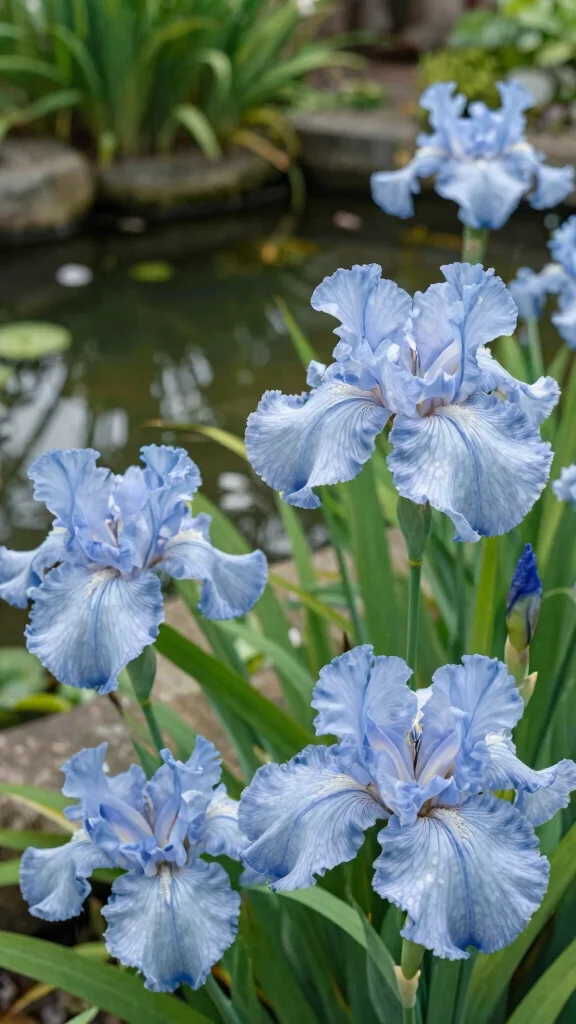
Japanese irises are truly captivating, known for their broad petals and graceful curves. The light blue varieties stand out, often adorned with intricate veining that draws the eye effortlessly. These irises bloom in early summer, making them a stunning focal point in any garden design.
Thriving in moist conditions, Japanese irises are perfect for planting near water features or areas with regular irrigation. Their lush, arching foliage provides an elegant background as they bloom. To ensure they flourish, plant them in rich, well-drained soil and keep them consistently watered.
Key benefits of Japanese Iris:
– Thrives in moist garden areas
– Creates a striking focal point
– Beautifully complements water features
By incorporating Japanese Irises, you not only enhance your garden’s aesthetic but also create a serene environment that invites admiration.
Japanese Iris (Iris ensata)
Editor’s Choice

Direct Gardening – Blazing Star Liatris Summer Flowering Perennial Mixtu…

XLUX Soil Moisture Meter (Since 2015) – Durable 304 Stainless Steel Prob…

Burpee Natural Purpose Granular 4-Lb Organic Food for Growing Strong Pla…
3. Bearded Iris (Iris germanica)
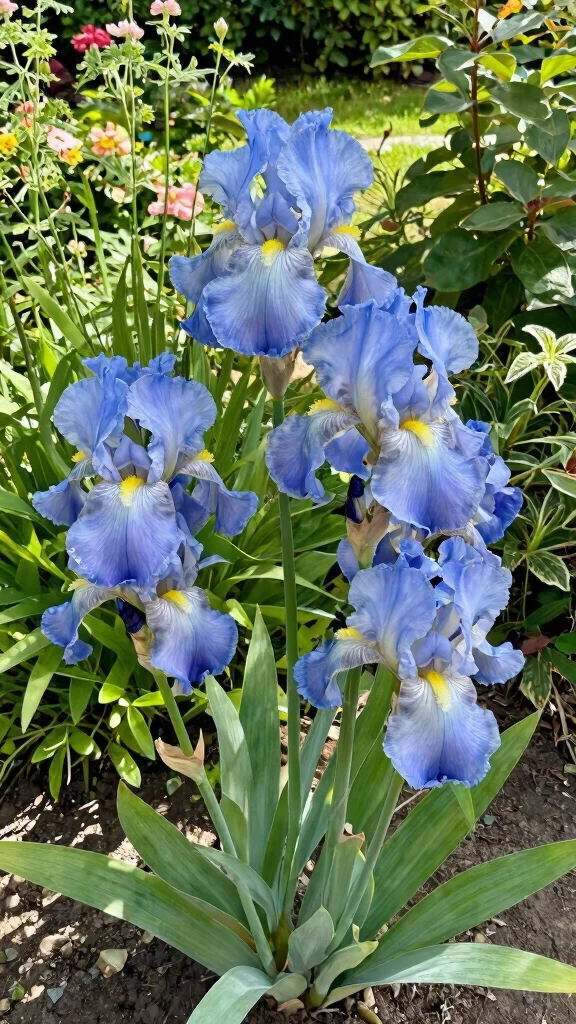
Bearded irises are beloved in gardens for their plush beards and distinctive blooms. The light blue varieties, featuring ruffled petals and contrasting yellow beards, create an enchanting spectacle that’s hard to resist. These beauties bloom in late spring to early summer, offering a burst of color when your garden needs it most.
Their tall stature makes bearded irises ideal for the back of borders, providing a stunning backdrop for shorter plants. They thrive in well-drained soil and plenty of sunlight, and once established, they’re relatively drought-tolerant, making them an excellent choice for low-maintenance gardens.
Key benefits of Bearded Iris:
– Enhances vertical design in gardens
– Drought-tolerant after establishment
– Attracts butterflies and other pollinators
Integrating bearded irises into your garden not only boosts its visual appeal but also supports local wildlife, enriching the overall experience.
Bearded Iris (Iris germanica)
Editor’s Choice

Grenebo Gardening Tools 9-Piece Heavy Duty Garden Hand Tools with Fashio…

COOLJOB 6 Pairs Gardening Gloves for Women Ladies, Breathable Rubber Coa…

KVR Upgraded Garden Kneeler and Seat with Thicken & Widen Soft Kneeling …
4. Louisiana Iris (Iris hexagona)

Louisiana irises are a stunning choice for southern gardens, showcasing breathtaking shades of blue. These unique flowers thrive in wetland conditions, making them perfect for rain gardens or pondside plantings. Their sprawling foliage adds a lush, tropical feel, elevating any landscape.
Typically blooming in late spring to early summer, light blue Louisiana irises produce large, flamboyant flowers with intricate patterns. They’re ideal for creating striking borders or as part of a mixed perennial garden. For optimal growth, ensure they have consistently damp soil and plenty of sunlight.
Key benefits of Louisiana Iris:
– Ideal for wetland or water feature areas
– Creates a lush, tropical atmosphere
– Adds unique color and pattern to borders
Adding Louisiana irises will transform your garden into a vibrant oasis, inviting beauty and tranquility.
Louisiana Iris (Iris hexagona)
Editor’s Choice

Mixrug 75+ Mix Iris Seeds for Planting -Rare Exotic Bearded Iris Flower …

Green Vista Wetland Island Grow Mix – 100% Natural Soilless Potting Medi…

Summit Clear-Water Barley Straw Pond Treatment, 2-Pack, Treats upto 2000…
5. Dutch Iris (Iris x hollandica)
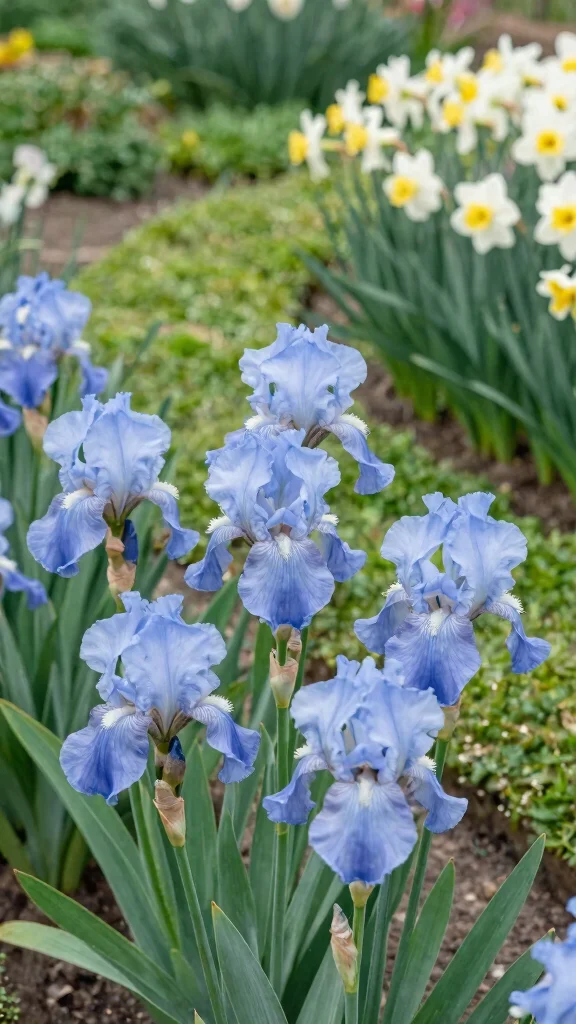
Dutch irises are a delightful addition to any garden, especially the light blue varieties that evoke a soft charm. Characterized by their slender stems and graceful form, they bloom from mid to late spring, perfect for setting a pastel palette in your garden.
These irises thrive in sunny locations with well-draining soil, making them easy to care for. Their elegant stature enhances mixed beds, and they work beautifully as cut flowers. To create a lovely spring combination, consider planting them alongside white or yellow daffodils for a captivating effect.
Key benefits of Dutch Iris:
– Thrives in sunny garden spots
– Great for cut flower arrangements
– Adds delicate elegance to borders
Incorporating Dutch irises will elevate your garden’s aesthetic, infusing it with a fresh and lovely ambiance.
📹 Related Video: GROWING DUTCH IRIS BULBS: Planting Dutch Iris Bulbs in Fall for Spring Bloom – Start to Finish
Dutch Iris (Iris x hollandica)
Editor’s Choice
Burpee Natural Purpose Granular 4-Lb Organic Food for Growing Strong Pla…

Rapitest Soil Test Kit for Gardens, Vegetables, Flowers and Lawns. USA d…

Edward Tools Bulb Planter – Bend Free Tool for Planting Bulbs, Depth Mar…
6. Spuria Iris (Iris spuria)
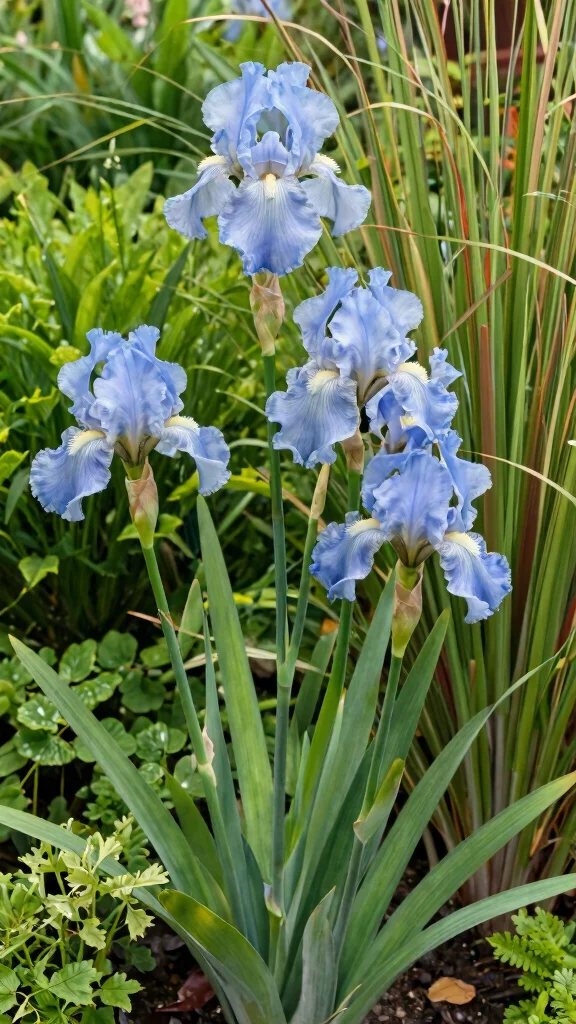
Spuria irises are a hidden gem, showcasing long, elegant stems and striking blooms. The light blue varieties bring refreshing brightness to gardens, often adorned with delicate patterns and ruffles. They bloom in late spring to early summer, providing lasting beauty for several weeks.
Thriving in sunny spots with well-drained soil, spuria irises adapt well to various garden conditions. Their height makes them perfect for the back of borders or as standout specimens in perennial beds. Regular watering and deadheading after blooming will help maintain their vigor.
Key benefits of Spuria Iris:
– Long-lasting blooms
– Adaptable to various garden styles
– Creates height and elegance in borders
By planting spuria irises, you’ll add a touch of sophistication and elegance, enhancing the overall charm of your garden.
Fun fact: Spuria iris can reach 2 to 4 feet tall, giving you dramatic back-of-border height. Light blue iris varieties often bloom for 3–4 weeks in late spring to early summer, adding lasting brightness to sunny, well-drained beds.
Spuria Iris (Iris spuria)
Editor’s Choice
Rapitest Soil Test Kit for Gardens, Vegetables, Flowers and Lawns. USA d…
Edward Tools Bulb Planter – Bend Free Tool for Planting Bulbs, Depth Mar…

Espoma Organic Flower-Tone 3-4-5 Natural & Organic Plant Food; 4 lb. Bag…
7. Rocky Mountain Iris (Iris missouriensis)

The Rocky Mountain iris is a delightful native flower that thrives in rocky and mountainous areas. Its light blue flowers feature delicate white markings, adding to its appeal. Perfect for rock gardens or naturalized areas, these irises bring a touch of wild beauty to cultivated landscapes.
Blooming from late spring to early summer, Rocky Mountain irises are drought-tolerant once established. They prefer well-drained soil and sunny locations, making them ideal for gardeners seeking low-maintenance options. Plant them alongside other wildflowers for a naturalistic look or in rocky crevices for a charming display.
Key benefits of Rocky Mountain Iris:
– Low-maintenance and drought-tolerant
– Perfect for rocky or naturalized gardens
– Adds wild beauty to cultivated spaces
Integrating Rocky Mountain irises into your garden will create a stunning display that honors their native habitat while enhancing your landscape.
❝ Fun fact: Rocky Mountain iris (Iris missouriensis) can thrive with as little as 1 inch of water per week once established. Their light blue iris flowers feature delicate white markings, brightening rock gardens from late spring to early summer. ❞
Rocky Mountain Iris (Iris missouriensis)
Editor’s Choice

Back to the Roots 100% Organic Indoor Potting Mix (6 Quart), Promotes He…

Seed Needs Wild Blue Iris Seeds for Planting Perennial Flowers – Heirloo…
8. Crested Iris (Iris cristata)
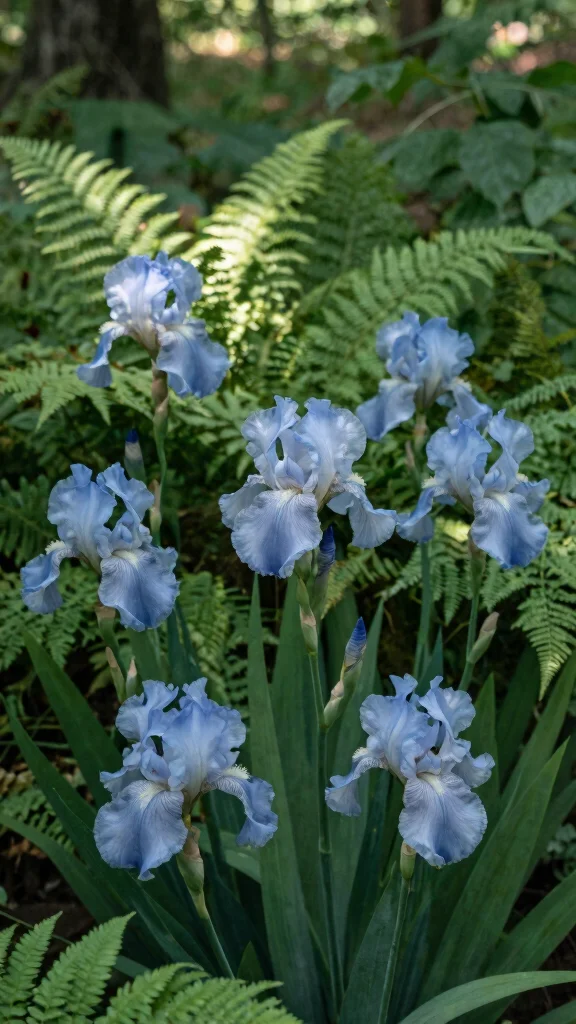
Crested irises are an excellent choice for shaded areas, allowing their charming light blue flowers to shine without harsh sunlight. These low-growing perennials are perfect for woodland gardens, providing a gentle splash of color in otherwise challenging conditions. Their unique crested petals add intriguing texture to your garden.
Blooming from early to mid-spring, crested irises thrive in well-drained soil rich in organic matter. They are relatively drought-tolerant once established but appreciate regular watering for optimal growth. Pair them with ferns or hostas for an enchanting woodland atmosphere.
Key benefits of Crested Iris:
– Ideal for shaded garden areas
– Adds unique texture to the landscape
– Complements other shade-loving plants
Incorporating crested irises will enhance your shaded areas, transforming them into beautiful, vibrant spaces.
Crested Iris (Iris cristata)
Editor’s Choice
Back to the Roots 100% Organic Mulch, 58 Quart, Expanding Coconut Husk B…

Burpee, 9 Quarts | Premium Organic Potting Natural Soil Mix Food Ideal f…
9. Iris ‘Baby Blue Eyes’ (Iris hybrida)

‘Iris ‘Baby Blue Eyes’ is a delightful hybrid showcasing stunning light blue blooms with hints of white accents. This compact variety is perfect for garden borders, allowing for easy integration with other perennial plants. Its large flowers make a bold statement without overshadowing nearby plants.
Blooming from late spring to early summer, ‘Baby Blue Eyes’ offers a lengthy flowering season, attracting butterflies and pollinators to your garden. Thriving in well-drained soils and full sun, it’s versatile enough for formal and informal garden designs.
Key benefits of Iris ‘Baby Blue Eyes’:
– Compact growth perfect for borders
– Long flowering season attracts pollinators
– Versatile for various garden styles
By including this lovely iris in your garden, you’ll enjoy a burst of color and life, enhancing your outdoor space beautifully.
Iris ‘Baby Blue Eyes’ (Iris hybrida)
Editor’s Choice
Espoma Organic Flower-Tone 3-4-5 Natural & Organic Plant Food; 4 lb. Bag…
Conclusion

Integrating light blue iris flowers into your garden adds an aura of elegance and serenity that is hard to match. From the stunning shapes of the bearded iris to the delicate allure of the crested iris, each variety brings its unique charm to your garden.
With proper care and thoughtful design, these perennial beauties can flourish and offer breathtaking displays for years to come. Embrace the opportunity to create a captivating garden that not only pleases the eye but also invites various pollinators, enriching your outdoor space.
Consider these tips and suggestions as you plan your light blue iris garden display, and watch as your garden transforms into a haven of delightful beauty!
Note: We aim to provide accurate product links, but some may occasionally expire or become unavailable. If this happens, please search directly on Amazon for the product or a suitable alternative.
This post contains Amazon affiliate links, meaning we may earn a small commission if you purchase through our links, at no extra cost to you.
Frequently Asked Questions
What are the best light blue iris varieties for a delicate perennial border?
Look for pale blue or lavender-blue blooms labeled as light blue in the iris family. Great options for a delicate border are bearded iris cultivars and iris hybrids that show soft sky-blue tones. Choose varieties with compact to medium height and overlapping bloom times to create a continuous display. Ensure they fit your climate and soil; most light blue iris prefer full sun and well-drained soil. Plant in clusters of 3–5 to create a painterly impact, and mix early, mid, and late bloomers to extend the season. For iris flower care, avoid heavy shade and practice good drainage to prevent rot. This approach adds garden design ideas and elevates perennial flowers in a border.
How do I plant and care for light blue iris to keep them thriving year after year?
Planting: choose a sunny spot with well-drained soil. Dig a shallow trench, place the rhizome with the top just at soil level or slightly exposed, and space 12–24 inches apart. After planting: water to settle, then let the soil dry between waterings. Fertilize sparingly in early spring with a balanced, low-nitrogen fertilizer to encourage blooming. In iris flower care, remove spent blooms to tidy the bed, and protect leaves from disease. Every 3–4 years, divide crowded clumps in late summer or after bloom to refresh color and vigor. This is essential perennial flowers maintenance and supports a long-lasting display.
What garden design ideas work well with light blue iris in an elegant border?
Use light blue iris as a vertical accent along a white-and-green border. Plant them in repeated drifts of 3–5 for a strong color statement and align them at the back of the bed for height. Pair with white or pale yellow blooms to emphasize delicate tones, or combine with soft gray-green grasses for a refined texture. Place blue flower varieties in sweeping curves or along a path to guide the eye. In a perennial border, these elegant garden plants bring structure, movement, and a timeless feel—perfect for garden design ideas that stay graceful through the seasons.
What are good companion plants for light blue iris in a perennial border?
Choose companions that enhance the cool blue palette and keep maintenance manageable. Options include white phlox or dainty white tulips for contrast, soft-yellow daffodils in spring, and evergreen or ornamental grasses for texture. Try nepeta or lavender blooms for a Mediterranean vibe, or layer with low-growing groundcovers to keep foliage tidy. These combinations support perennial flowers and stay within blue flower varieties while keeping the display lively all season. Repeat similar heights and bloom times for a cohesive look and garden design ideas.
When is the best time to divide light blue iris and how should I do it?
The best time to divide iris is after they finish blooming, typically late spring to early summer, or in late summer in hot climates. Timing matters for iris flower care and perennial flowers vigor. Gently lift the clump, cut into sections with at least one healthy fan root each, and replant the divisions at the same depth. Water well to settle and lightly mulch to keep the bed neat. Avoid over-watering during winter to prevent rhizome rot, and keep soil well-drained. Dividing every 3–4 years rejuvenates plants and keeps a crisp, beautiful light blue iris display.
Related Topics
light blue iris
perennial flowers
iris flower care
elegant garden plants
blue flower varieties
garden design ideas
beginner friendly
seasonal gardening
border garden design
flower gardening tips
easy care plants
colorful garden displays